
with Lucy Commoner, December 2025
LC: You have been awarded multiple art residencies, including an artist-in-residence at the Wassaic Project in 2024. What role do artist residencies play in your career and specifically, what was your experience in the Wassaic Project residency?
TG: Residencies have shaped my career and remain one of the parts of being an artist I love most. The uninterrupted time lets me drop into a real flow, fully absorbed and fully present. Stepping out of my everyday context opens a freedom to experiment that I can’t reach anywhere else, especially when I’m surrounded by nature and able to slow down.
The relationships that form at residencies add a whole other layer of value and uniqueness to the experience. The honest and vulnerable conversations with other artists are different in each context, and keep expanding the work. At Wassaic Project, those exchanges, along with the studio visits from peers and visiting critics, pushed me in ways that stayed with me long after I left.
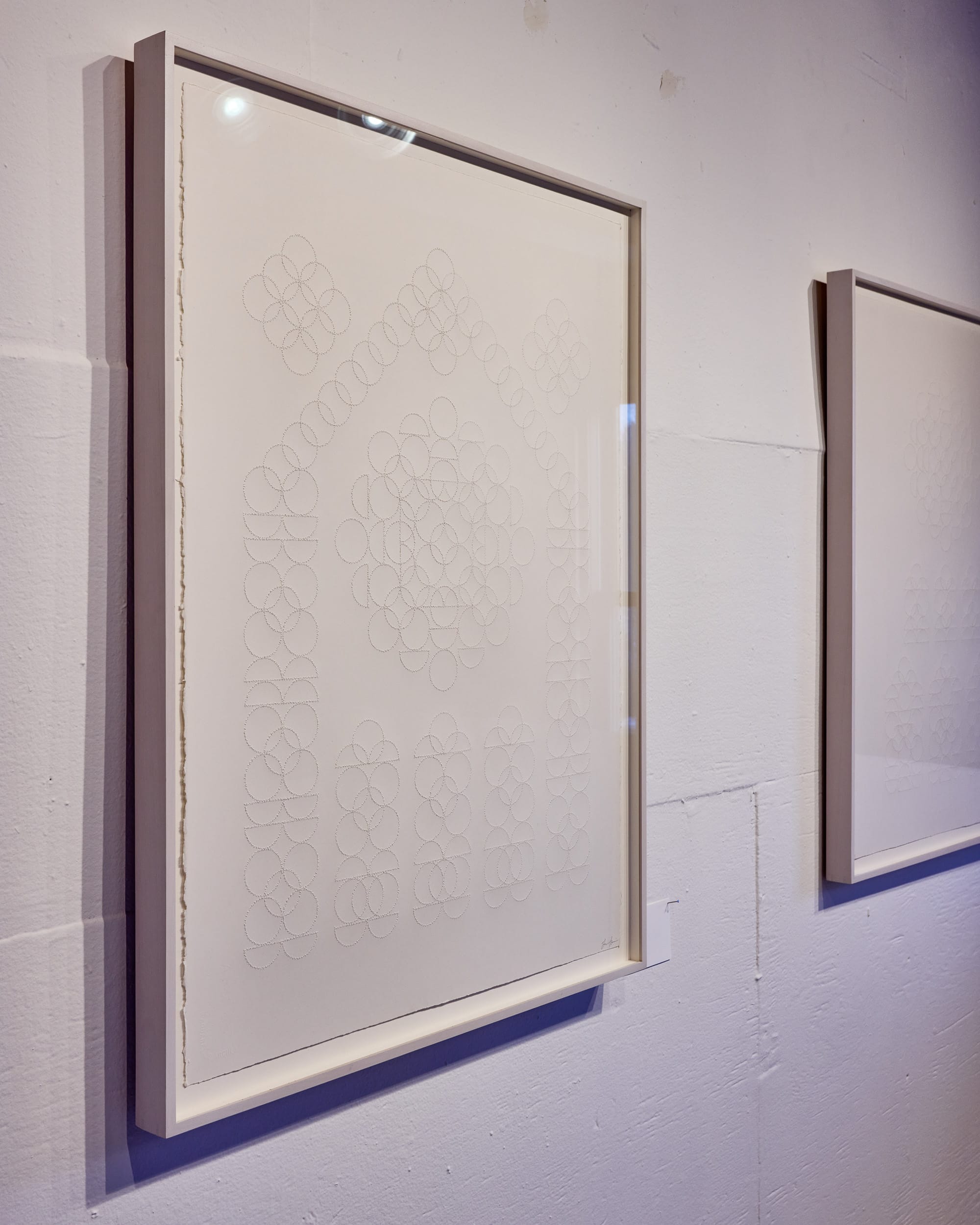
LC: Your pieces have been widely exhibited internationally and you work in a variety of media and techniques, including papermaking, drawing, watercolor, and sculpture. Your artworks have a transcendent and tranquil quality. Do you find working in these media to be a meditative experience, particularly in the repetitive action required to create the pinpricked paper series?
TG: My practice is very process-oriented and labor-intensive. Across all the mediums in which I work, the process demands patience, and those long periods of focus can certainly be very meditative. Papermaking is especially emblematic of this as a multi-step process shaped by timing and attention. Repetition sits at the core of my practice, both in technique and in the echoed forms I use to build compositions through pattern and rhythm. The language of repetition naturally creates a sense of stillness and calm, which people often feel when they encounter the work.


I_574.jpg)
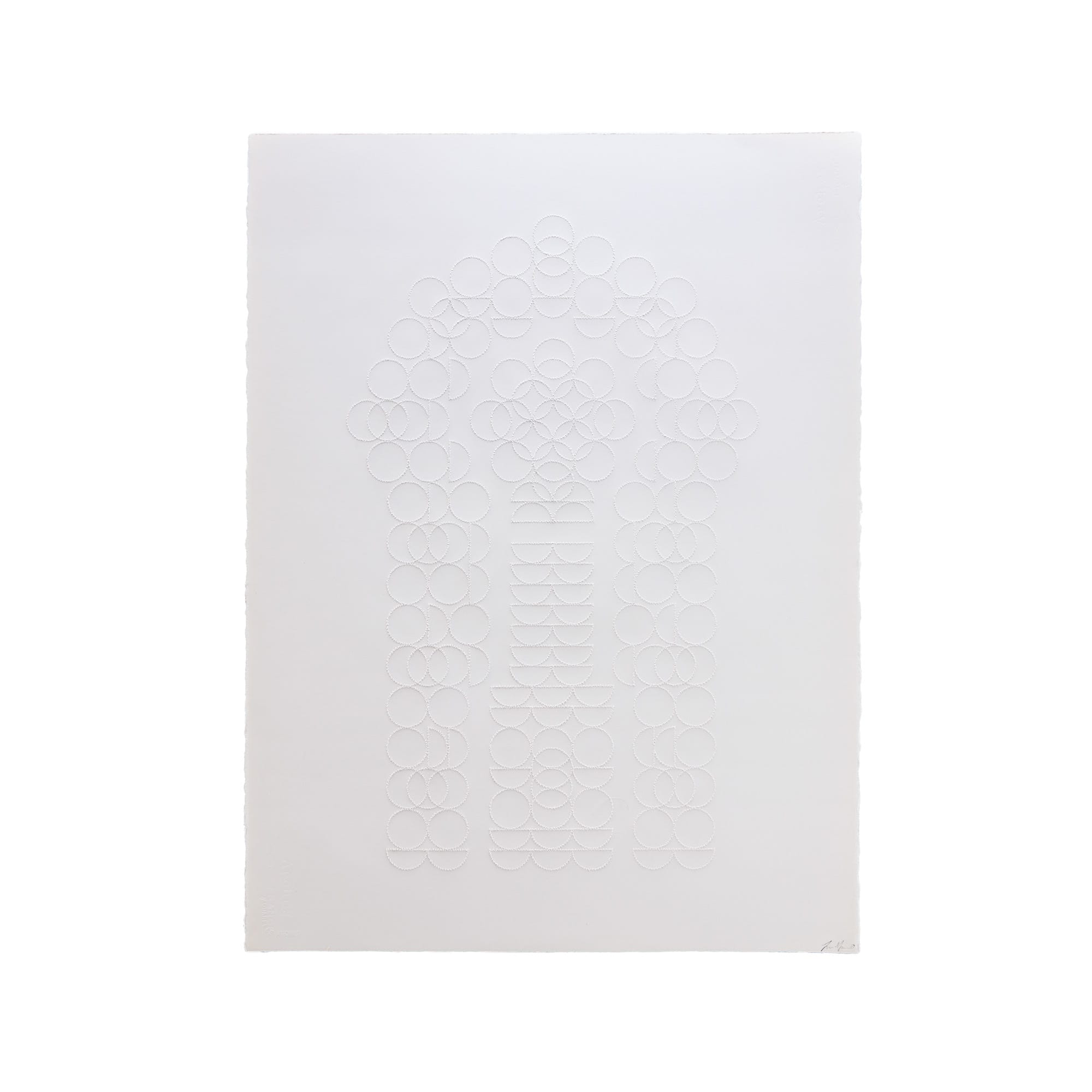
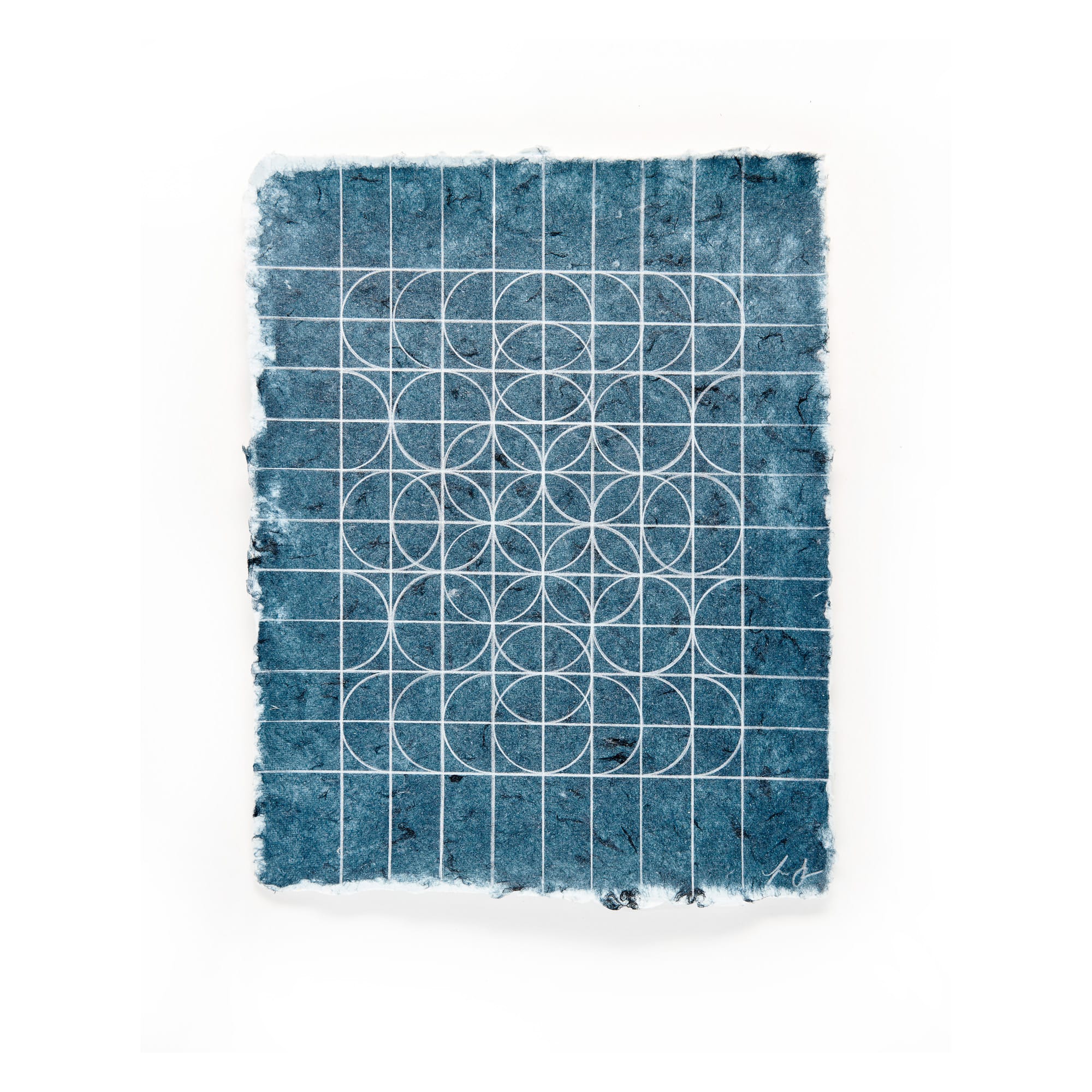
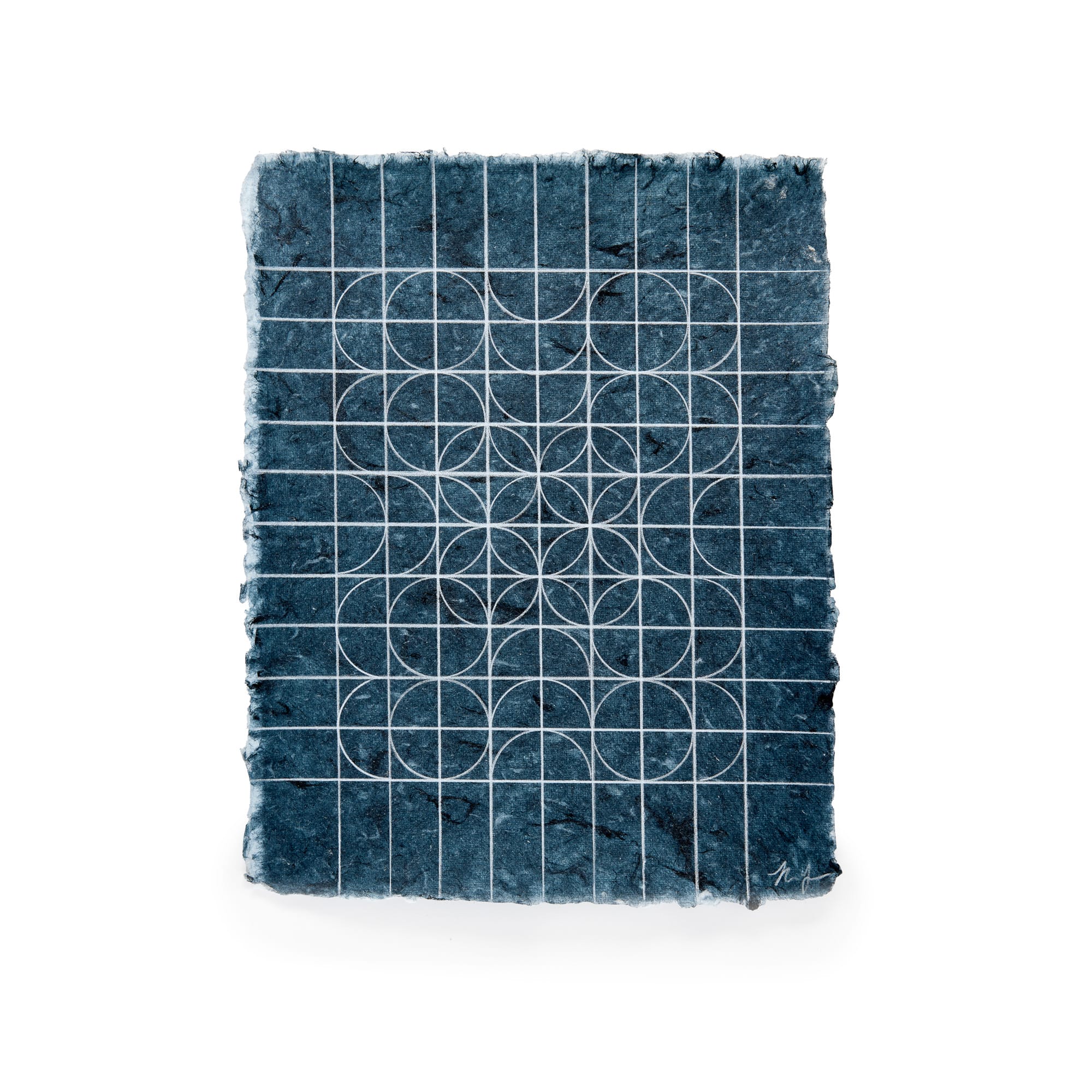
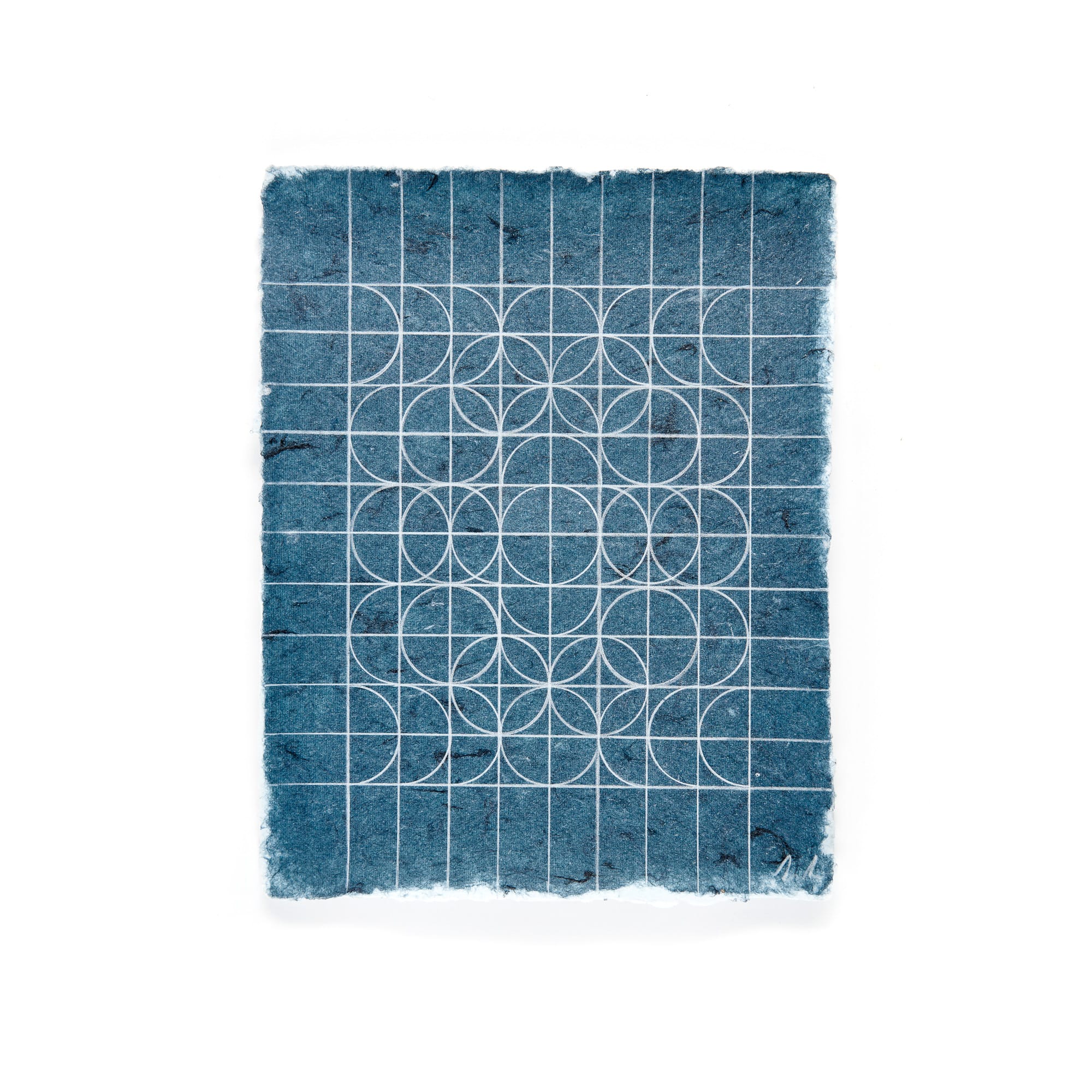
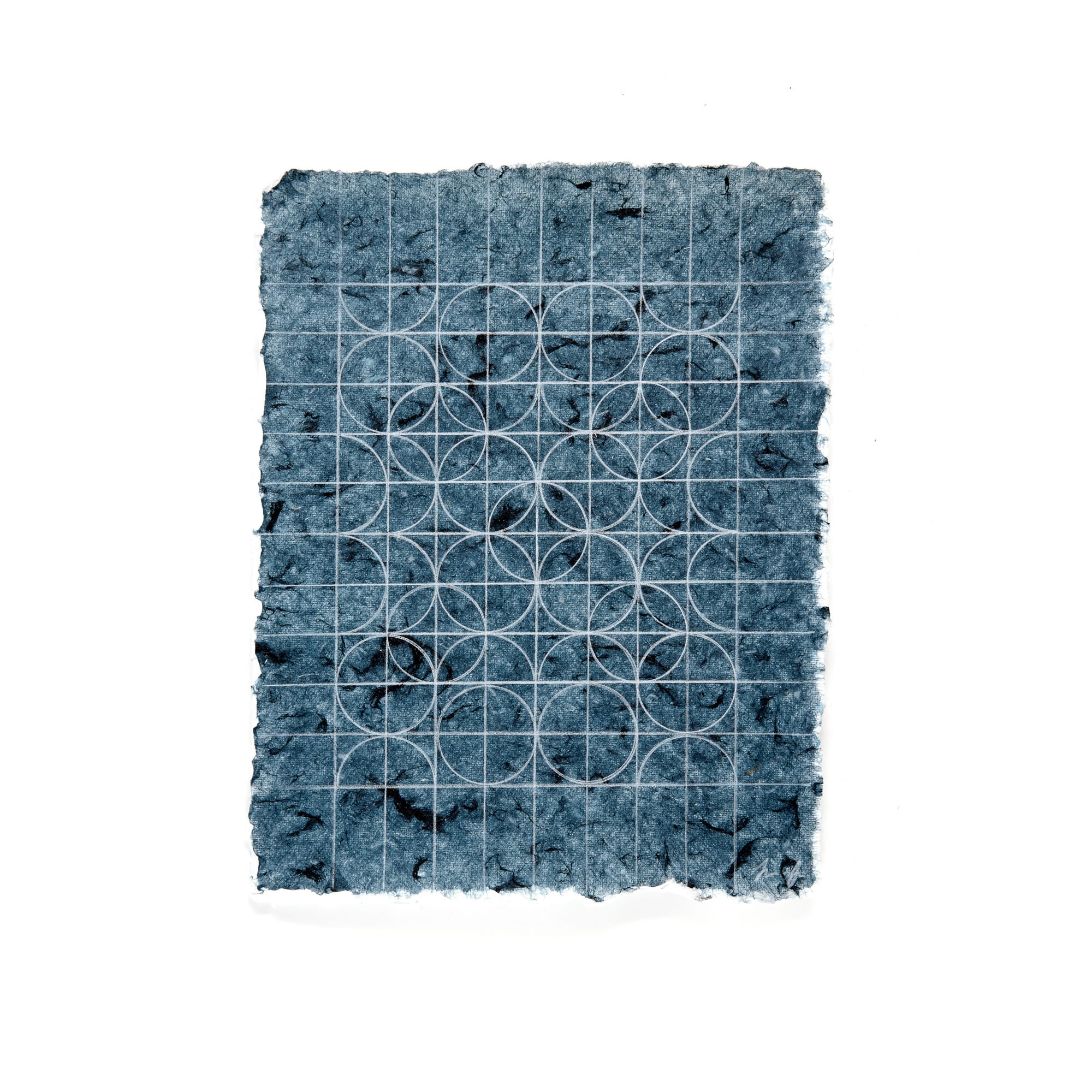
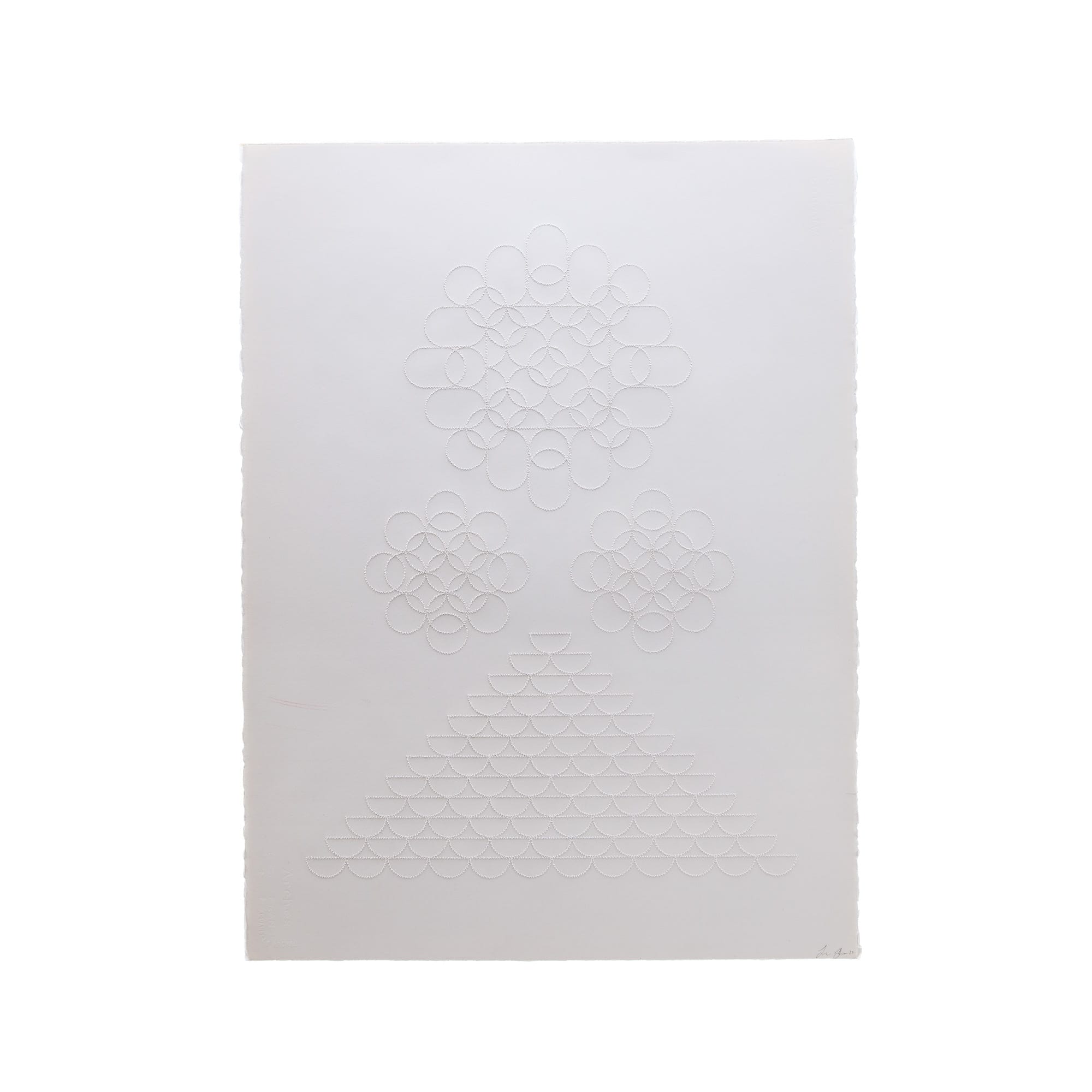
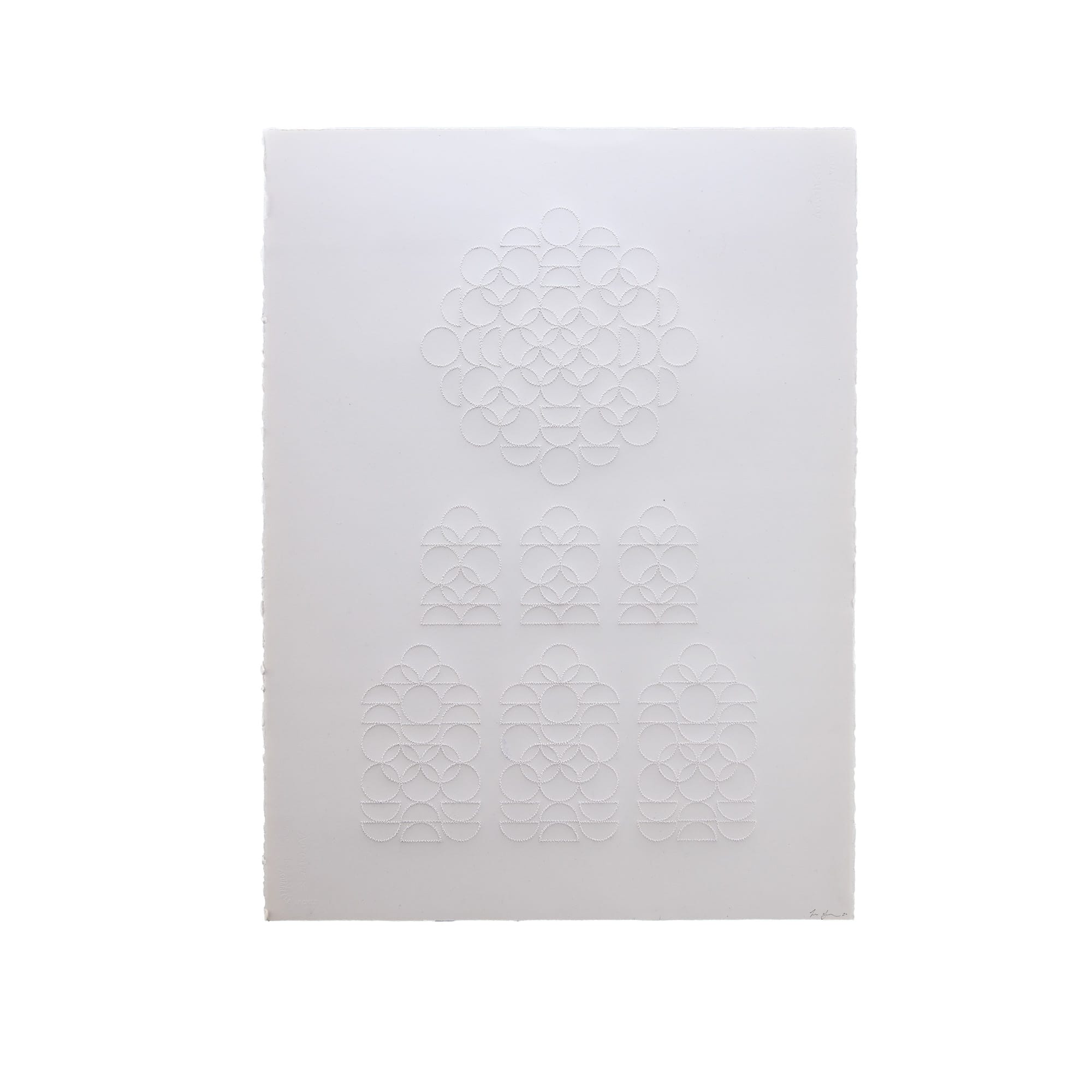
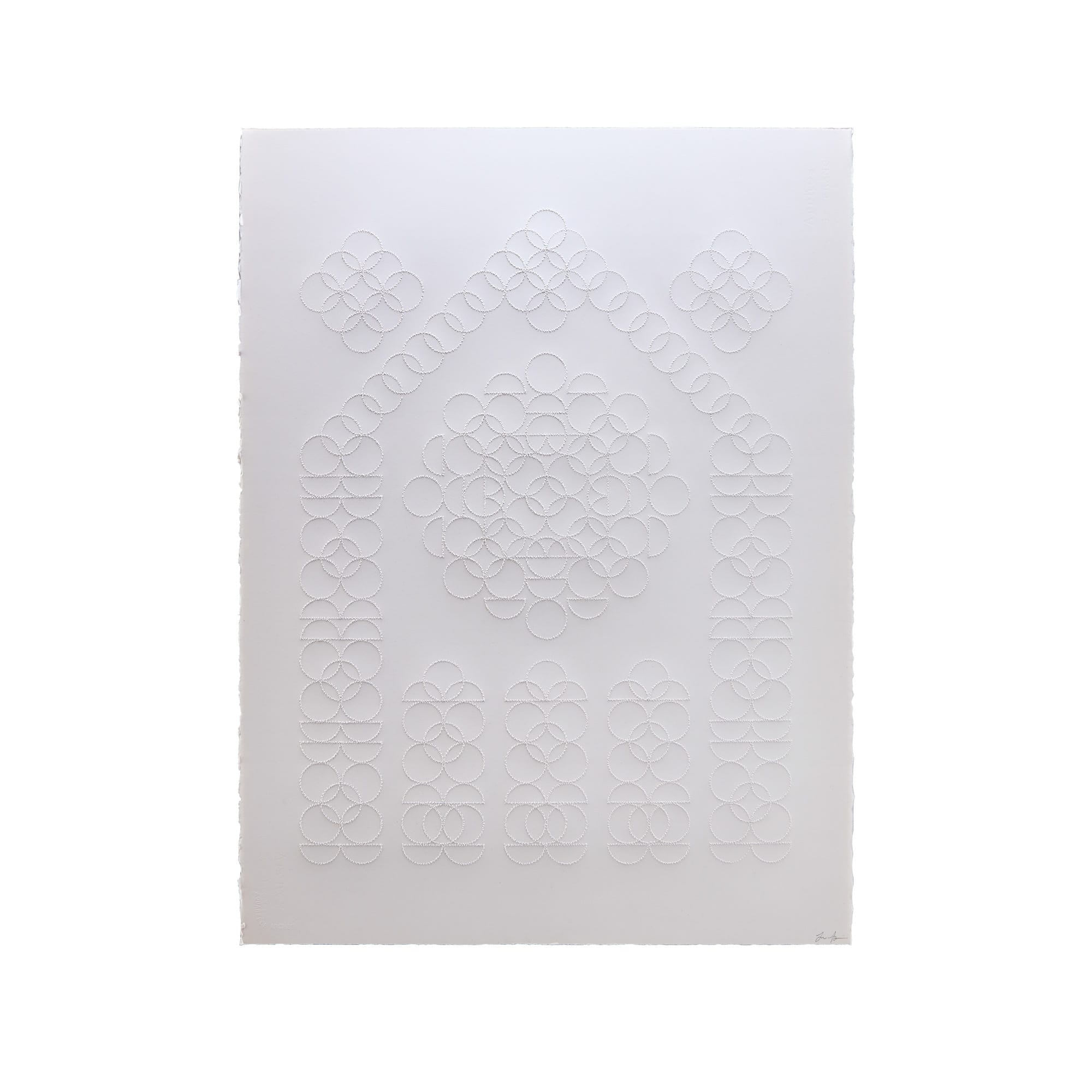
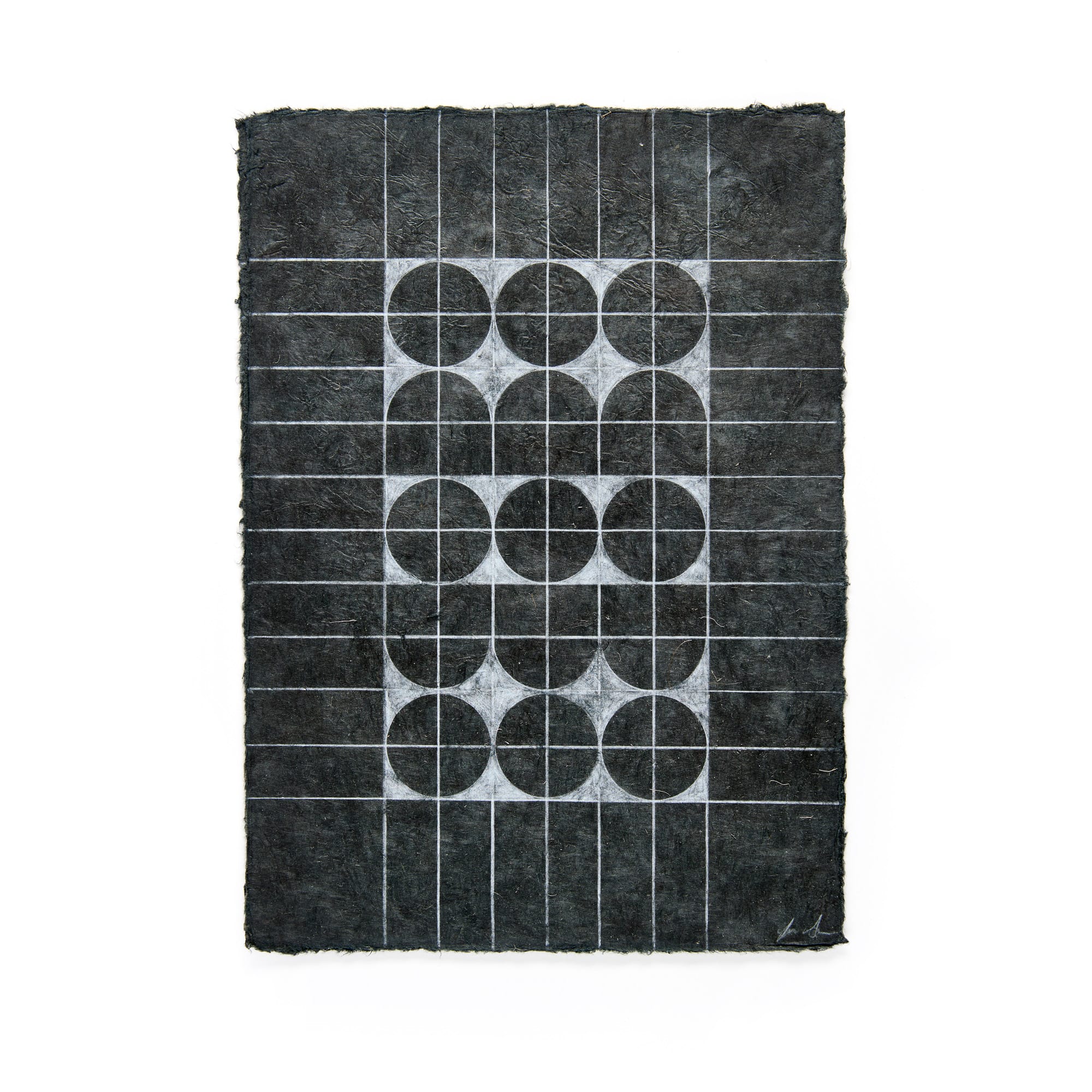
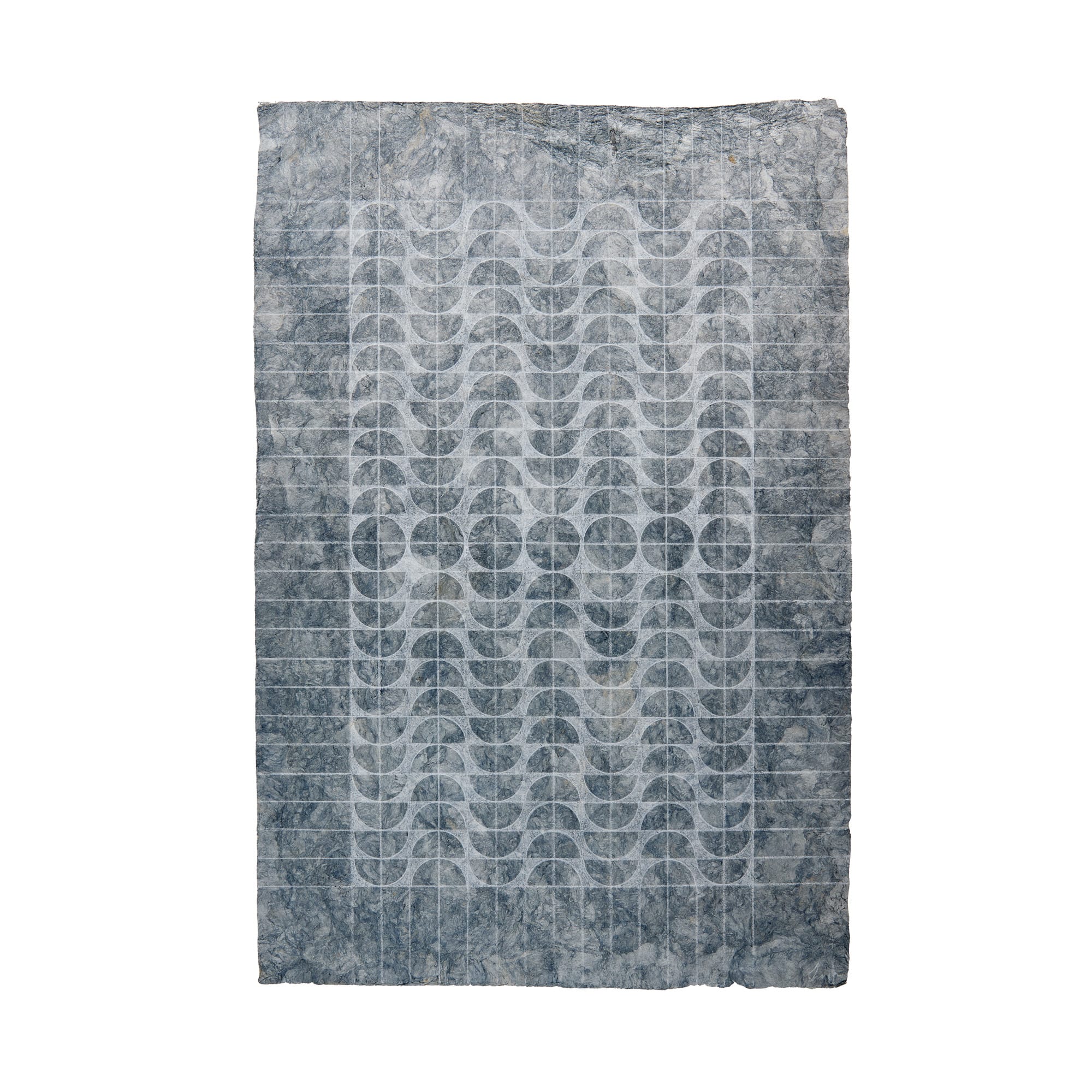
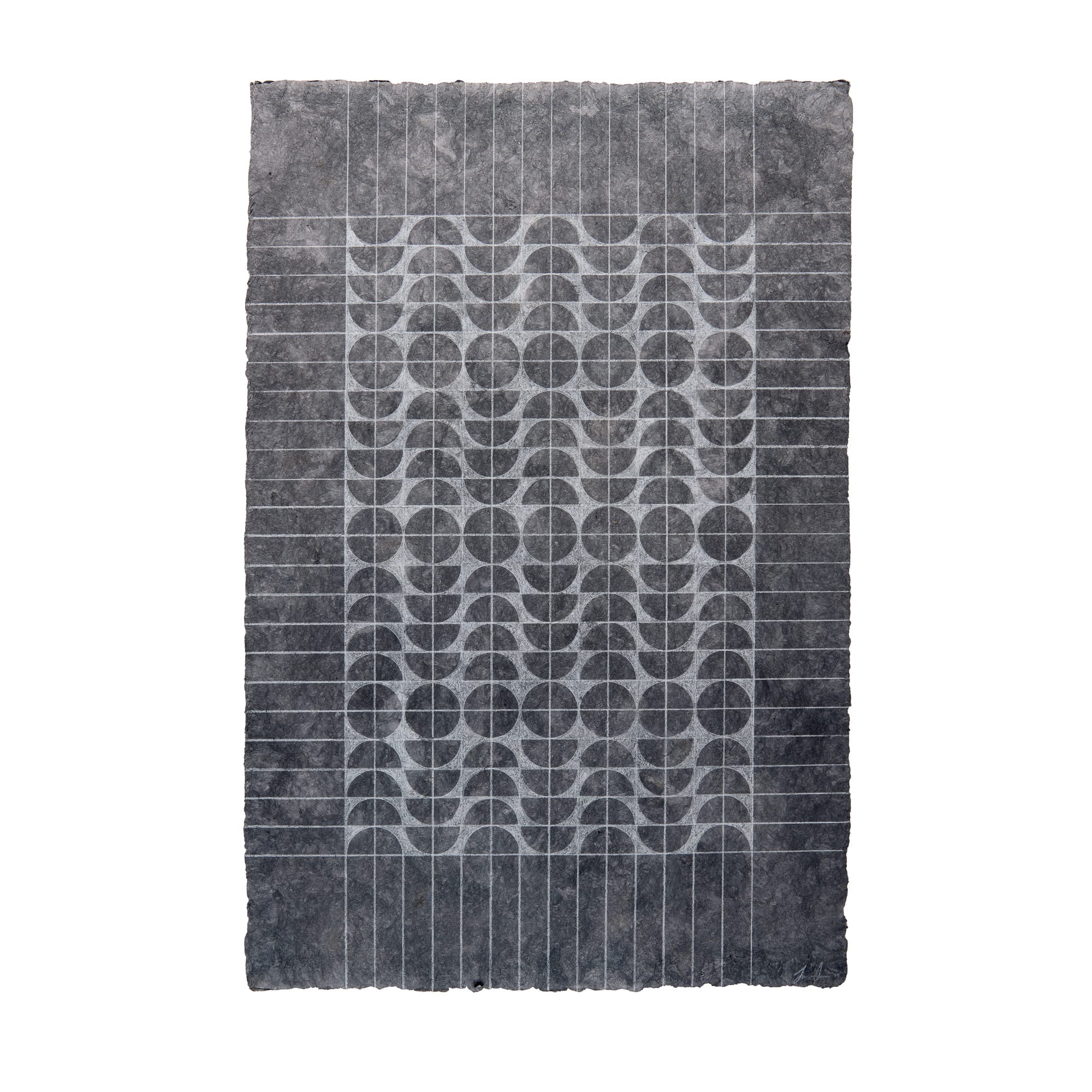
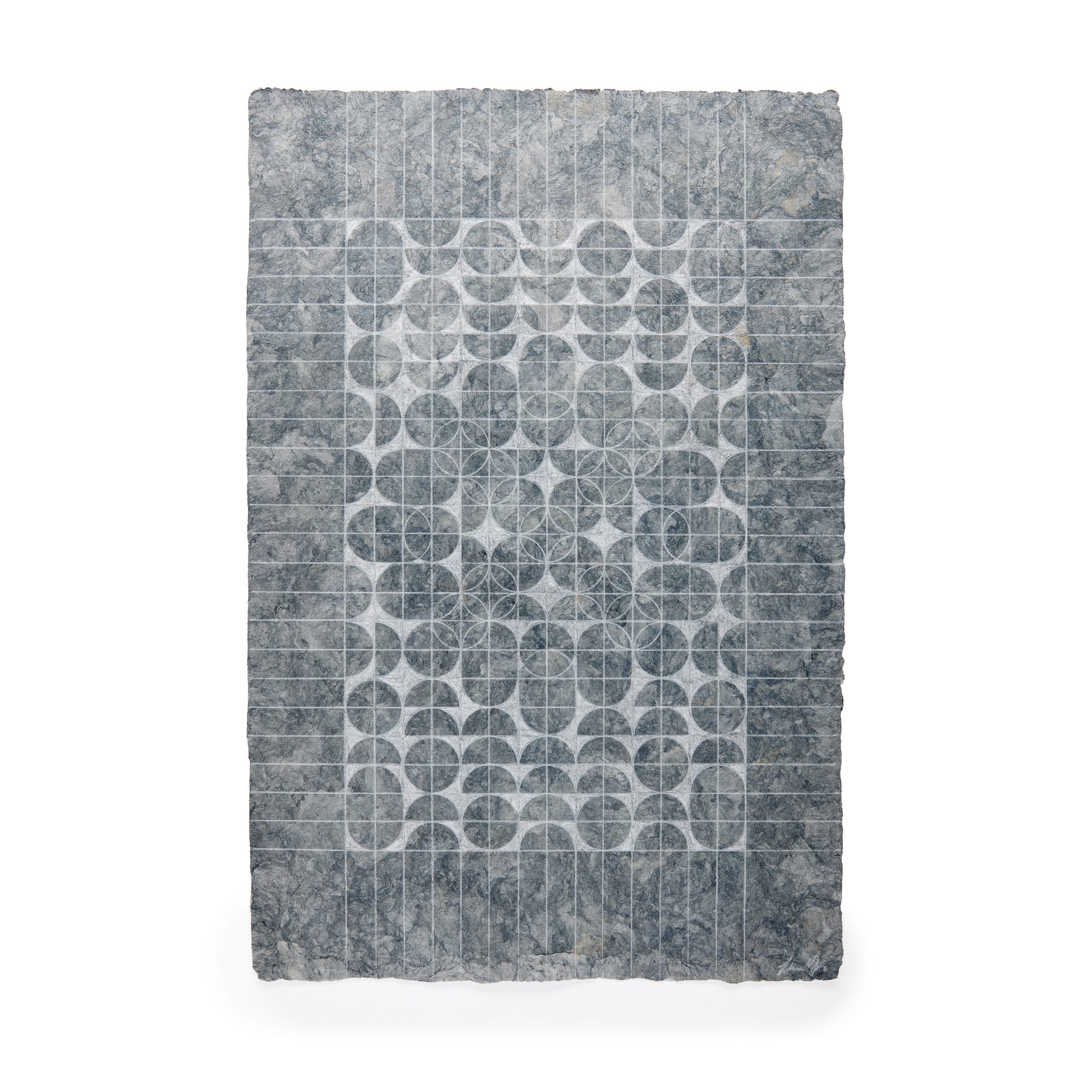
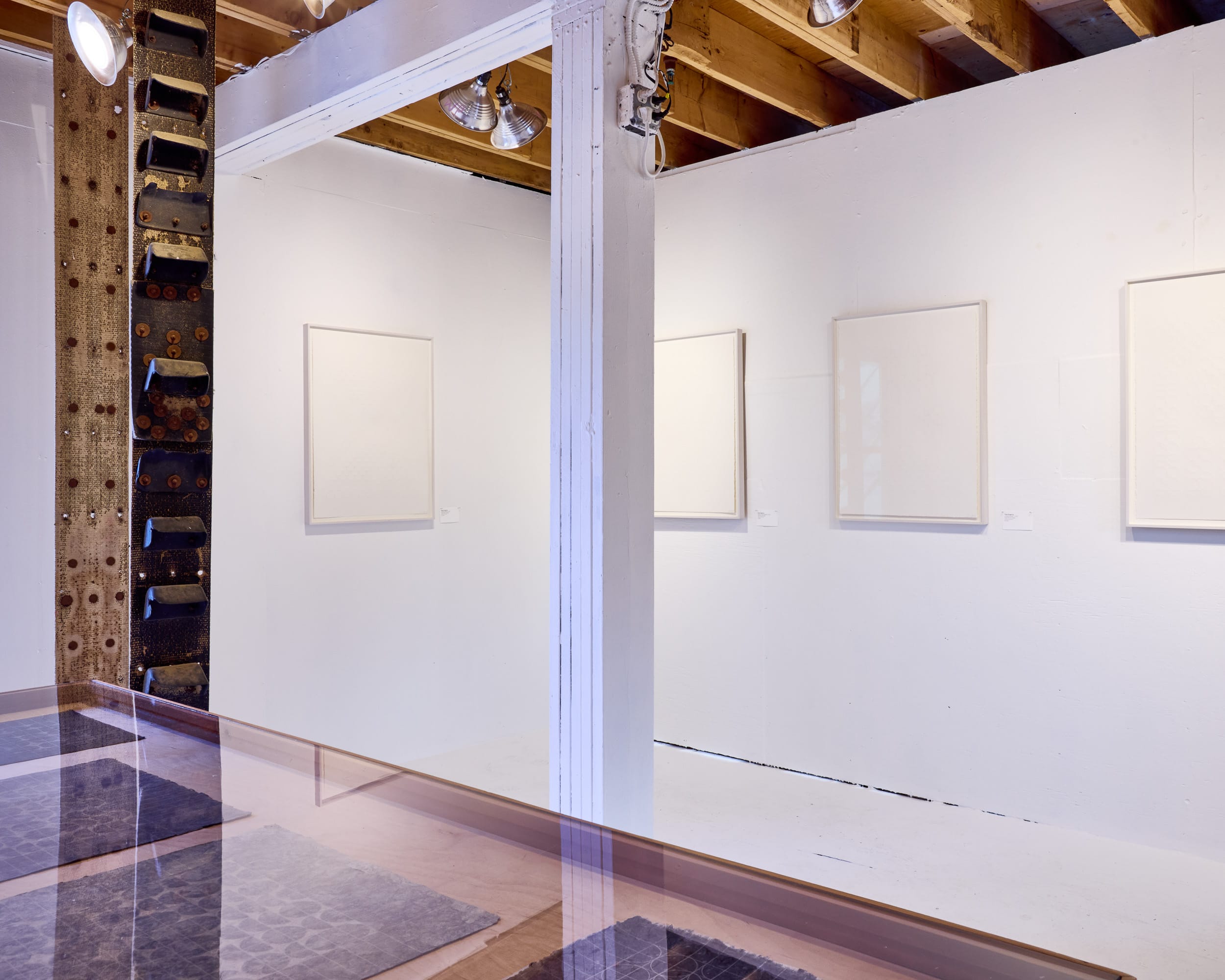
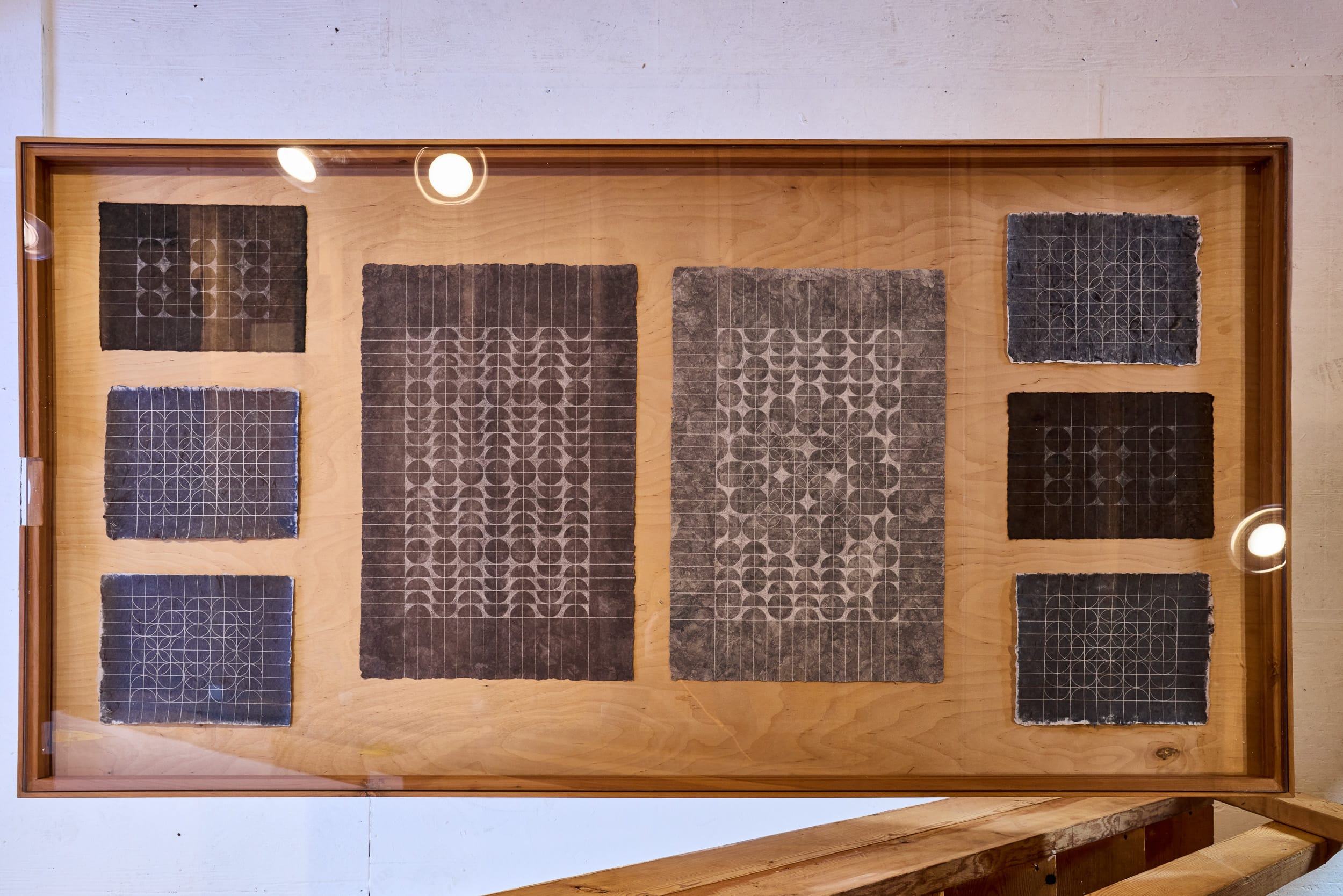
LC: Your beautiful handmade paper pieces have a low relief sculptural quality, both in the texture of the paper and in the subtle pin pricks with which you “draw” on the paper, transforming areas with a lace-like surface. How did you arrive at the pin prick technique?
TG: This technique first emerged during my initial residency in 2015. Before that, I was working in etching and drawing, using a very methodical approach to mark-making. I thought of the paper as a kind of landscape and built spatial patterns across it. By referencing the macro from a micro viewpoint, I pushed myself to create the smallest possible unit, which ultimately led me to the pinprick.
In university, I studied both sculpture and photography, and both disciplines inform the Relief series. They echo my interest in defining space within and beyond the two-dimensional plane through the use of light.
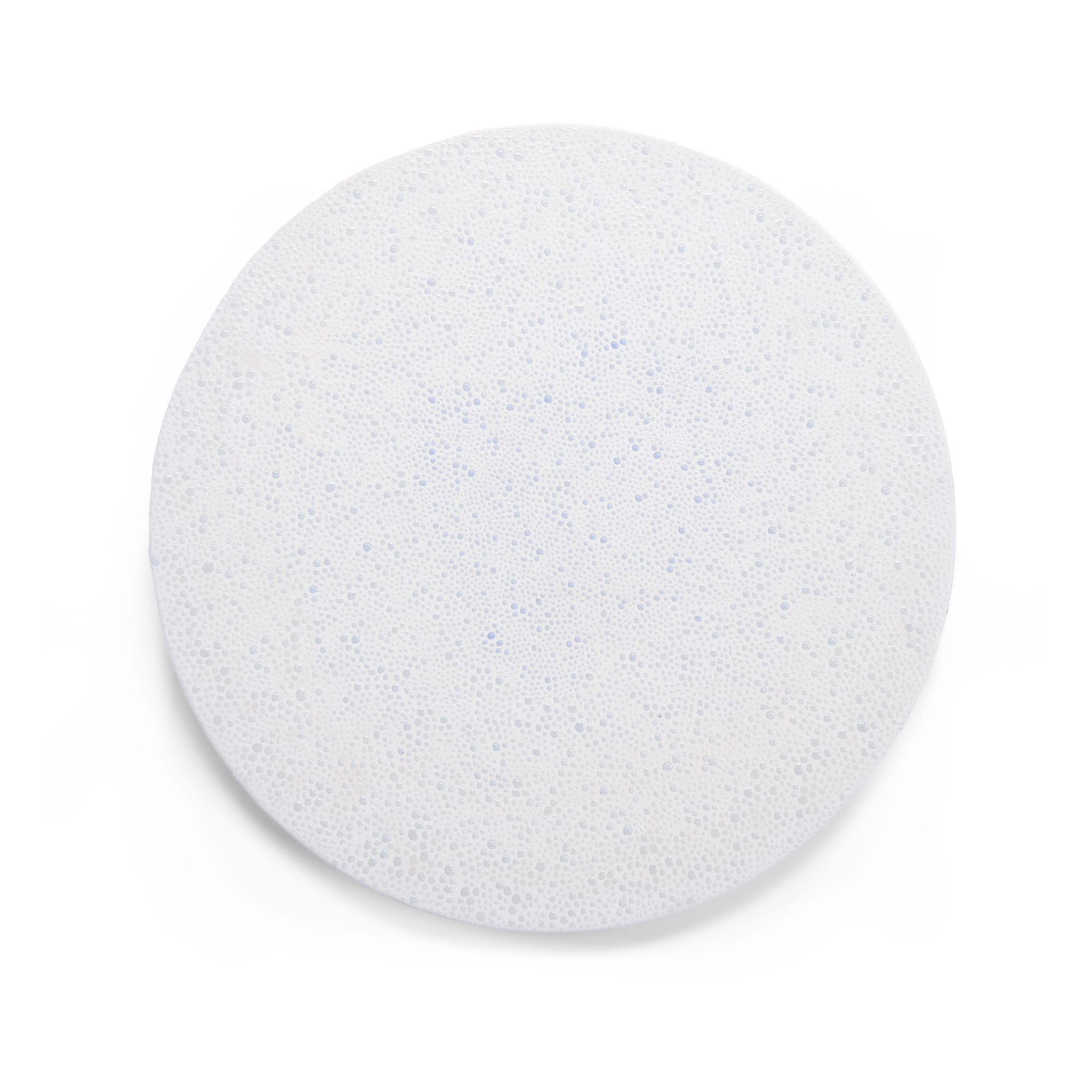
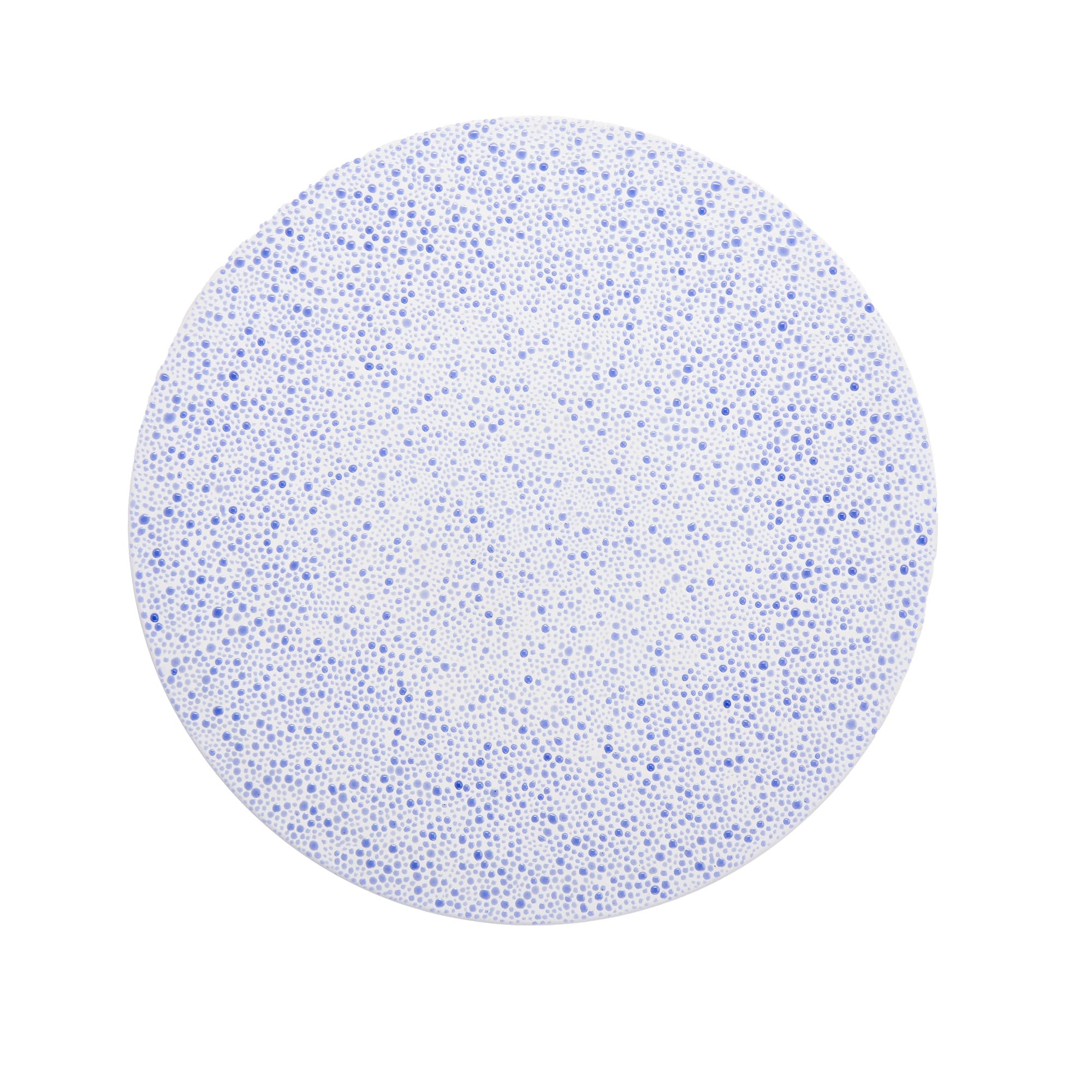
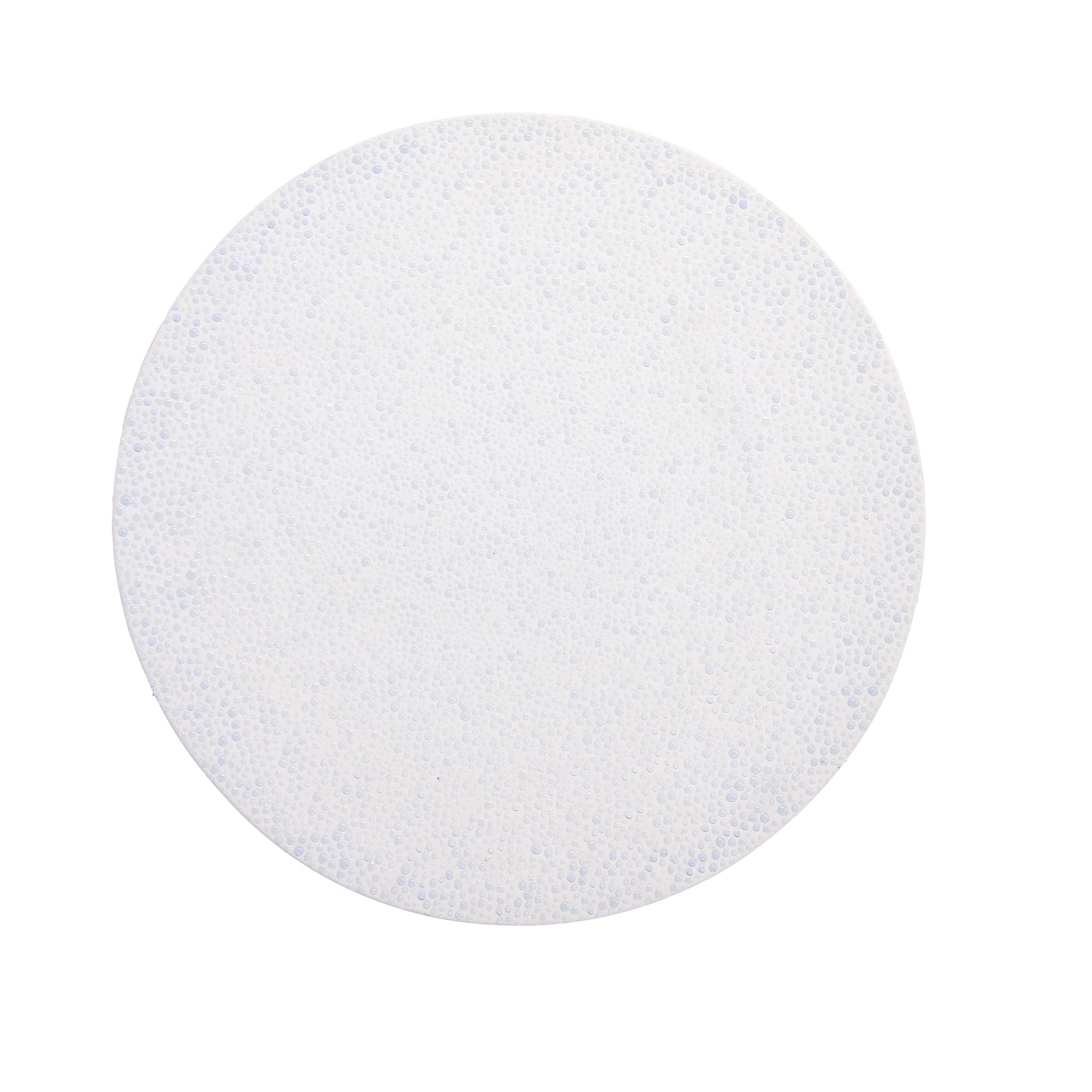
LC: In this exhibition, you are showing together the pinprick drawings and your sculptural glazed ceramic disks. They are certainly connected by your use of the circular form and the dotted textural surfaces. Can you talk about the relationship between these two different series in your practice?
TG: Everything in nature contains some form of circularity: from cells and ripples to cycles, spirals, and orbits. I often think of circles as a way we intuitively perceive space, forms without a clear beginning or end.
LC: Your disk pieces are entitled “Culto dell’Acqua”, which can be translated from the Italian, as “The Worship of Water”. As a natural resource of immeasurable importance, water was revered by many ancient civilizations. What is your connection to the title and its relationship to the circular form?
TG: Culto dell’Acqua I, II, and III are part of a larger research-based series inspired by several archaeological sites in Sardinia. This body of work focuses on the archaeoastronomical studies of sacred wells and temples dating back to the Nuragic era. Many of my compositions echo the geometric symmetry of these structures and their celestial alignments.
The title Culto dell’Acqua refers to the Nuragic civilization’s worship of water, expressed primarily through these sacred wells, where water was placed at the center of ritual practice. These sites were tied to ideas of fertility, rebirth, and the divine, and the use of the circle in the work directly references these concepts.
Thea Gregorius is an artist working primarily in sculptural works on paper and papermaking. She has exhibited internationally, including a solo exhibition at Larrie in New York, NY. She has been awarded the Manhattan Graphic Center Scholarship and has been an artist in residence at the League Residency at VYT (Ruth Katzman Scholarship recipient), the Vermont Studio Center (Grant Recipient), PLAYA Fellowship Program, Pyramid Atlantic Art Center (Denbo Fellowship), Arts Atrium, the Saltonstall Foundation, Casa Tagumerche, L'appartamento Napoli, Jentel Artist Residency, Masseria Cultura, Nocefresca, Wassaic Project, Viafarini, Labò Bosa, Materia Prima Foundation, the Josef and Anni Albers Foundation, and the Résidence artistique Retina. She holds a BFA from New York University and lives and works in Brooklyn, NY.
