with Lucy Commoner, May 2026, for Because, now is the time of monsters
LC: You are a working artist in sculpture and jewelry who has been widely exhibited in this country, and you also have experience as an arts educator and curator. How do you view the interconnections between different aspects of your practice?
MJ: My practice operates at the intersection of artistic production, curatorial research, and educational engagement. These three modes are interdependent, each informing and enriching the others. Each different area functions as a source for the other aspects of my practice but also provides different spaces and opportunities for experimentation and engagement.
LC: You are a member of the St. Regis Mohawk Tribe and grew up in a family that valued the physical craft of making and fixing things. How have your Native American heritage and your familial experiences influenced the direction that you took in your artistic career?
MJ: My interest in object making stems from my youth in Northern New York and viewing the self-sufficiency of the matriarchs. My grandmothers on both sides dealt with the loss of their husbands but continued to give their children and future generations the best possible lives. From them — along with a mother who was consistently doing carpentry and refinishing — I learned how to create, repair, refinish, and remake objects that were vital to survival. Snowshoes were not just ornamental; they were how you went from the farmhouse to the mailbox. Baskets were used for laundry and harvest time. Within Indigenous communities, art, craft, and culture are intertwined and not separate as you often see in Western society, so making, creating and working with my hands was always close to me and it was natural for me to study art in college. In undergraduate, I studied mixed-media sculpture, photography, and scenic design. Immediately after graduating, I discovered steel and soon fell in love with the material alongside its connection to the Mohawk Ironworkers who built skyscrapers through New York City. This historical and familial connection to this material was an added pull that offered additional narrative opportunities and meaning to my work. I've been working with metal ever since.
LC: One of the striking qualities of your exquisite steel sculptural work is the contrast between the beautiful bouquets of flowers and plants and the hard and powerful strength of the steel, which requires tremendous physical intervention to tame into such delicate and organic forms. Can you talk about how you came to concentrate on metalsmithing and some of the specialized processes that are involved in creating these works?
MJ: Metalworking has long existed within Kanien'kehá:ka (Mohawk) communities through Haudenosaunee Silversmithing and Mohawk Ironworking, and my practice extends this lineage. As a maker, I remain open and curious about new methods, tools, and techniques. The act of learning is inseparable from the work itself. In each piece, I strive to honor the precision, care, and cultural grounding embedded in Kanien'kehá:ka craft while exploring how metal can hold Indigenous knowledge, presence, and sovereignty in contemporary form.
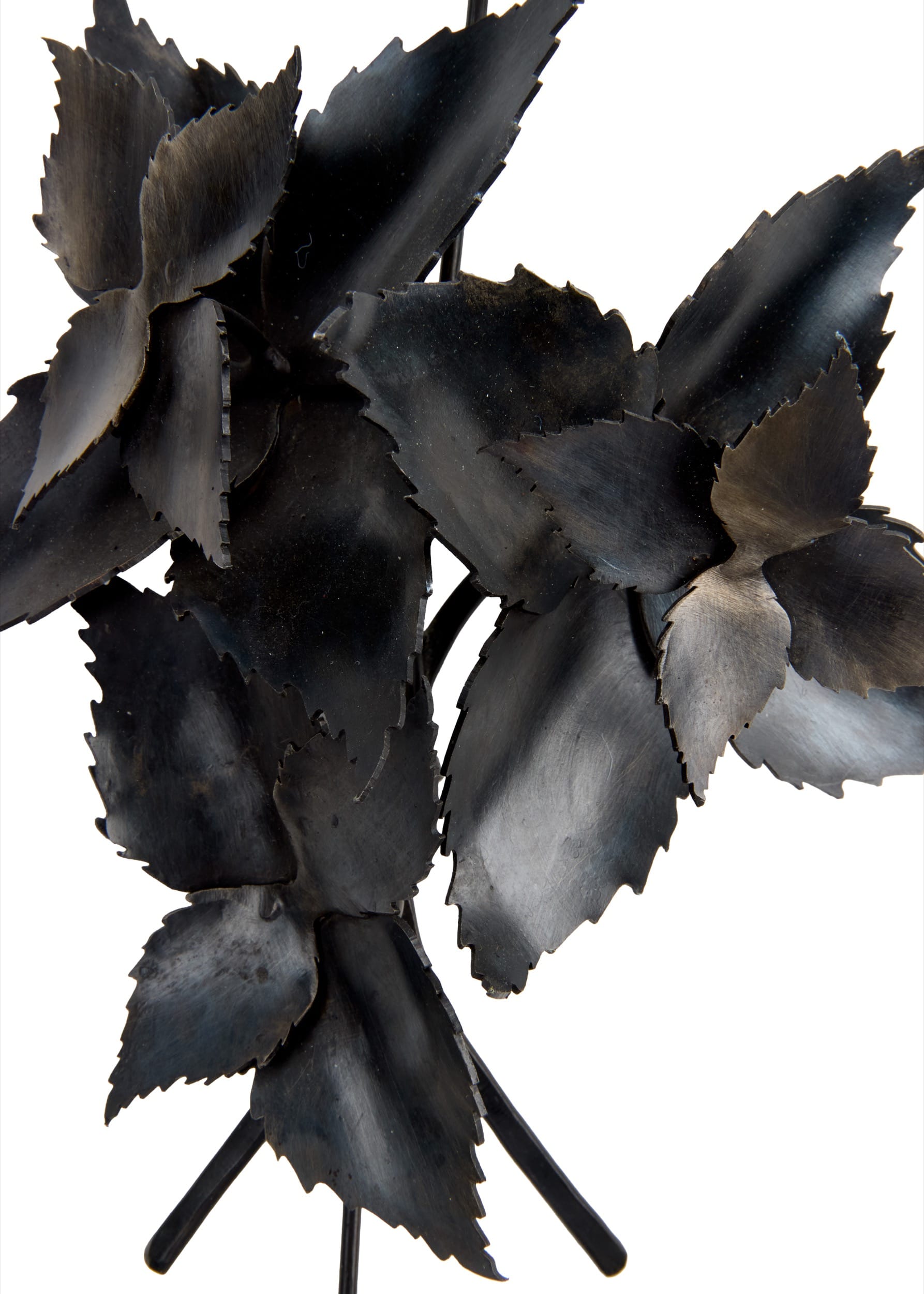
My artistic process involves steel fabrication techniques that intermingle traditional blacksmithing tools and techniques — primarily forging and hot forming with a forge — with more present-day metalworking fabrication processes. This is a unique process that makes the steel feel alive and organic. I have a strong interest in continually expanding my knowledge of metalworking. Whether it's jewelry, sculpture, casting, or fabrication, each discipline employs distinct techniques and processes. The more I understand my material, the stronger my relationship with it becomes, enabling me to work with greater intention and shape it more skillfully.


LC: When you begin a sculpture, how clear is your intention? Do you work from drawings and how do the working properties of the steel facilitate or limit your artistic goals?
MJ: I'm a very intuitive maker and I like to let the material surprise me. I generally start with a clear intention of one work or one component of a piece but then also let the material lead me in different directions so I end up with several different ideas and paths to follow. I generally don't work from drawings in my sculptures. If I do, they are rough sketches or lists.
I definitely have ideas that don't work out in steel–mainly when I'm trying to get super delicate imagery and the visual weight of the material won't allow it. It doesn't happen often, but it does happen! I'll try to create the work through another process–casting or jewelry, etc. or keep attempting other ways of making it in steel. Sometimes it works, sometimes it doesn't.
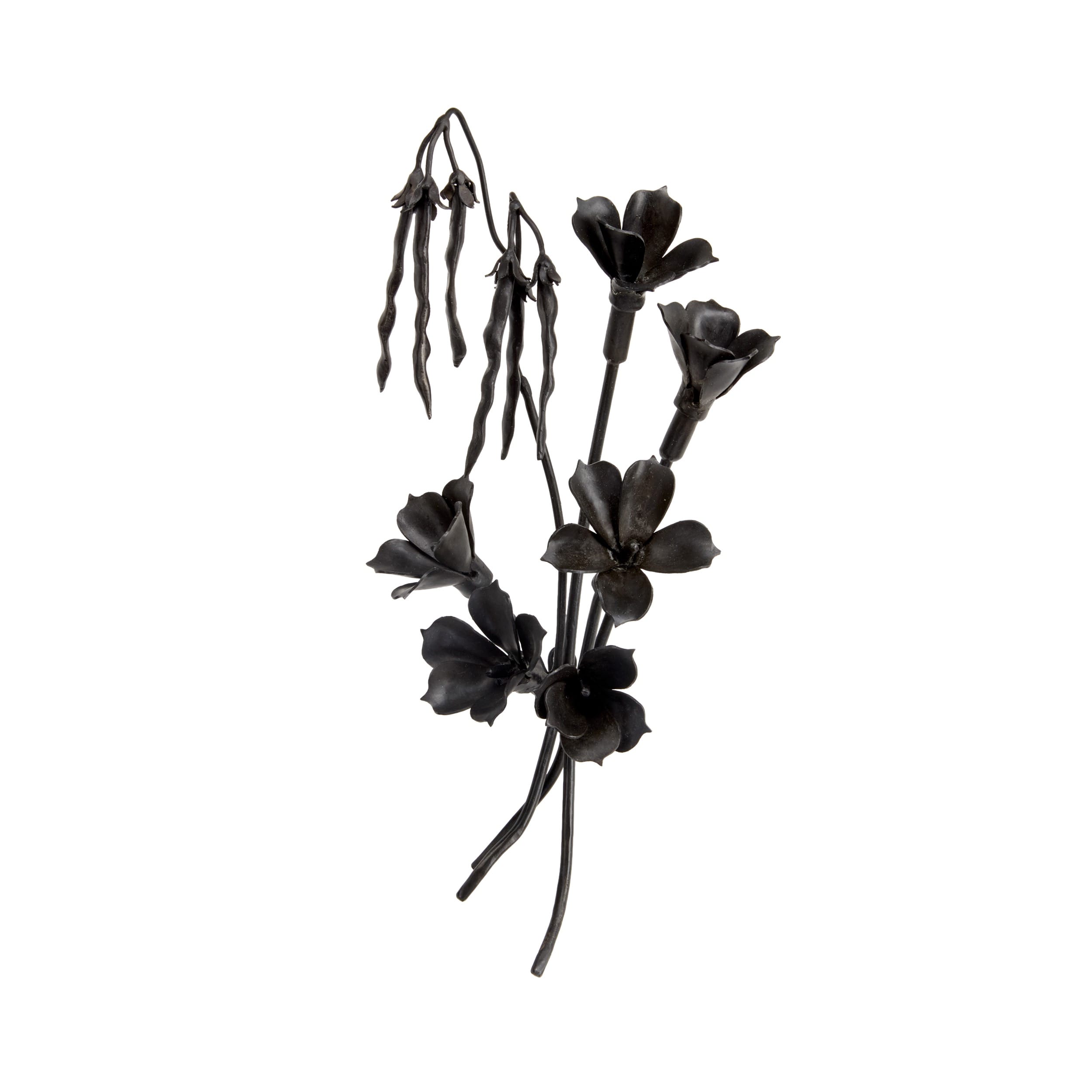
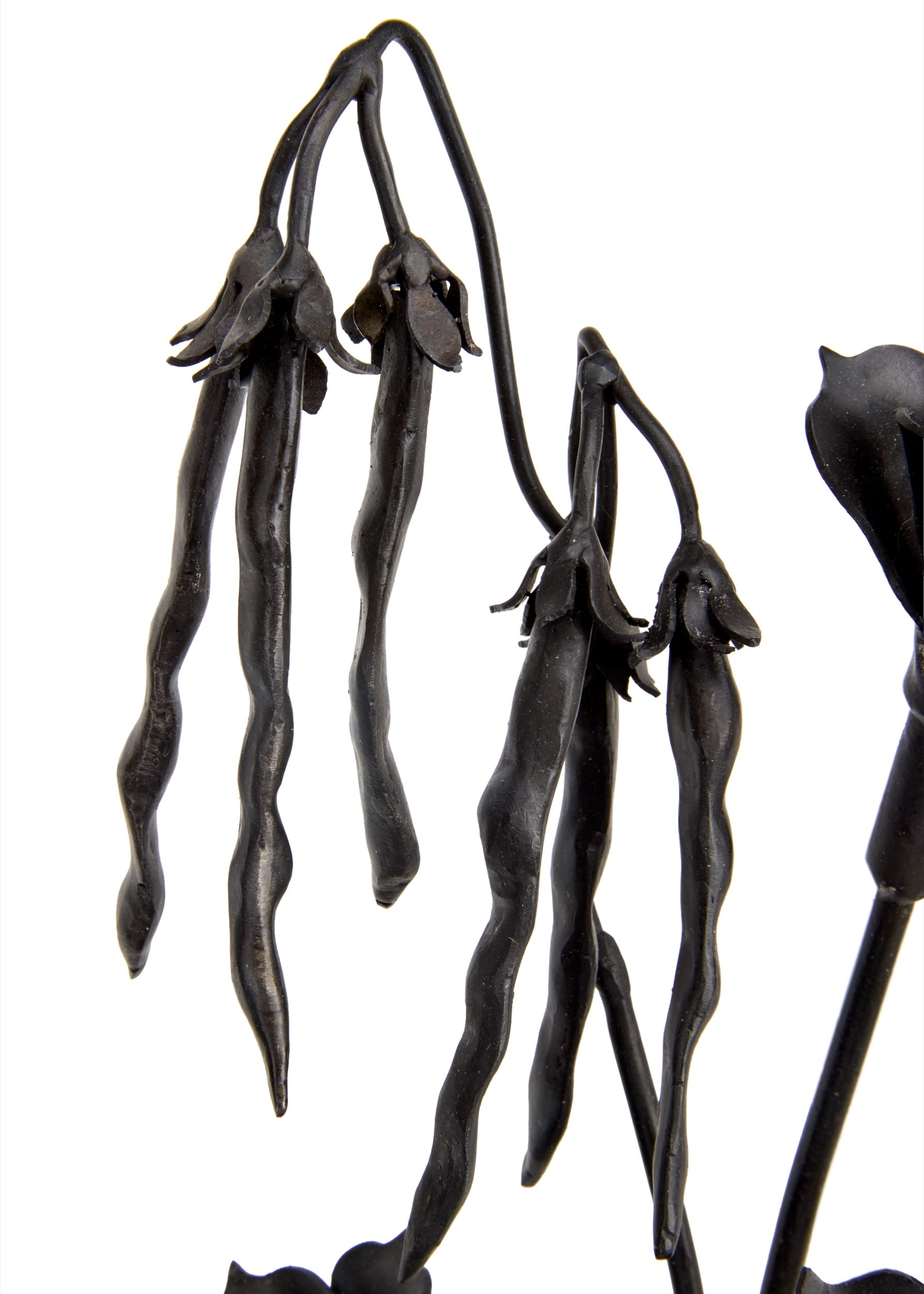
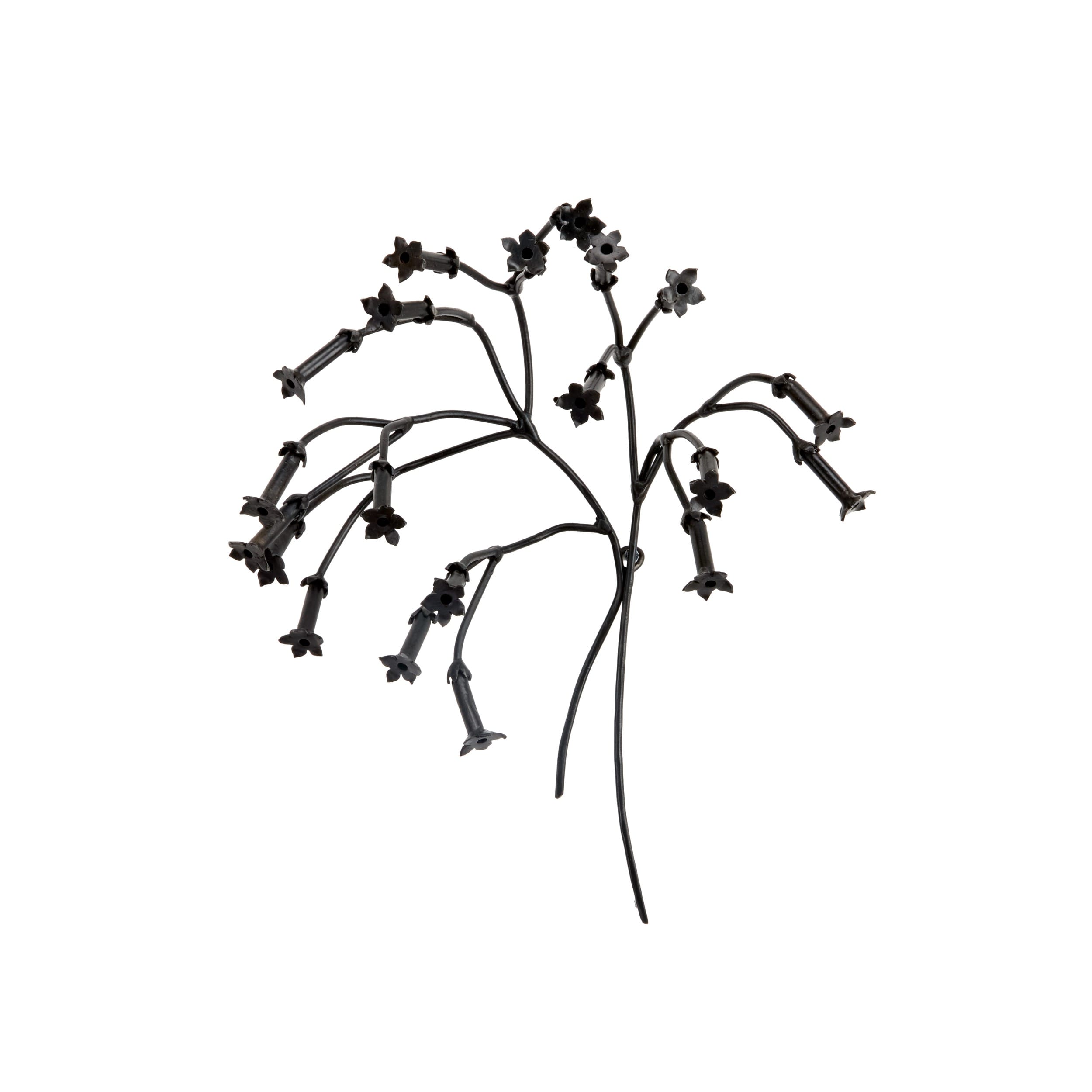
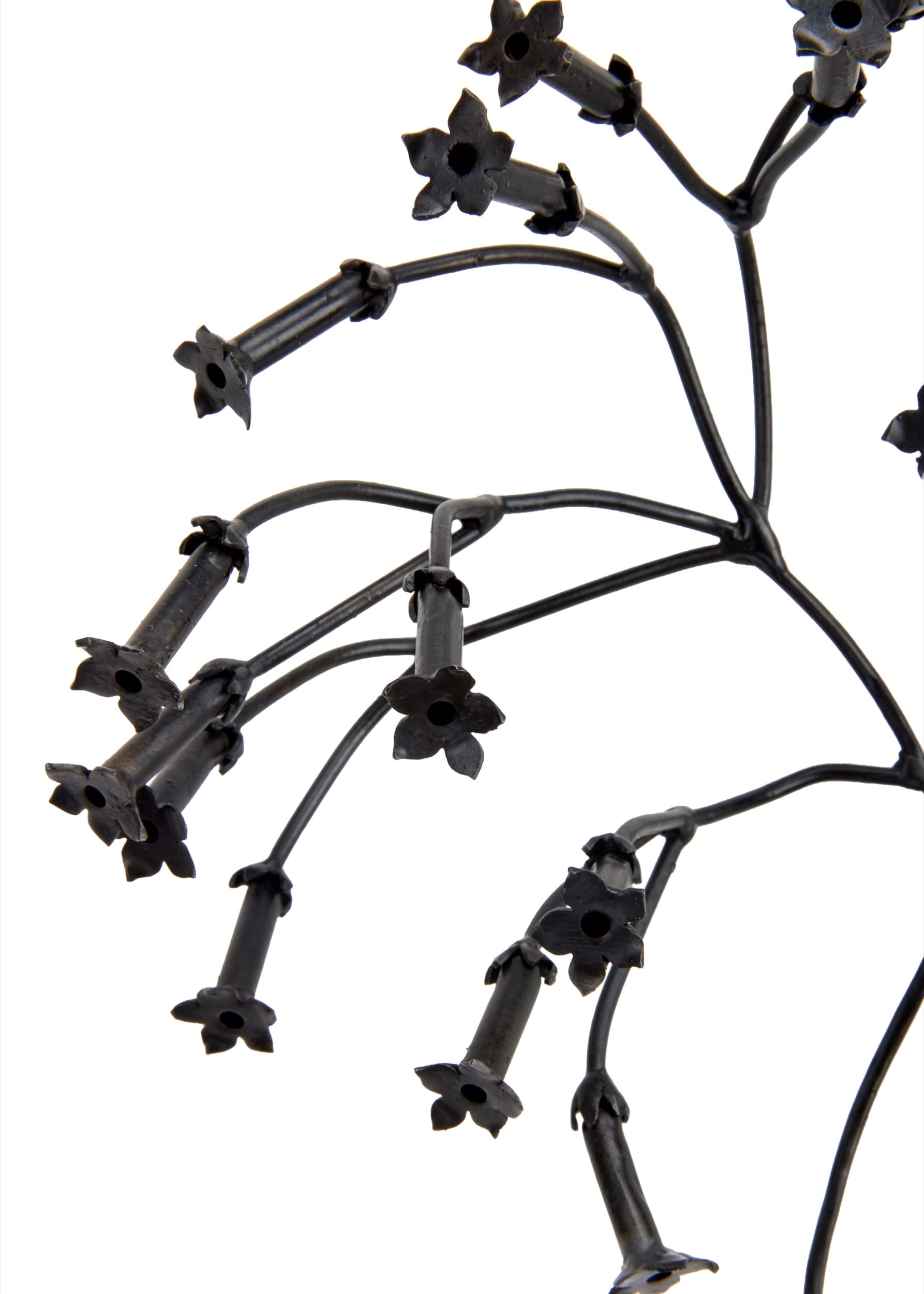
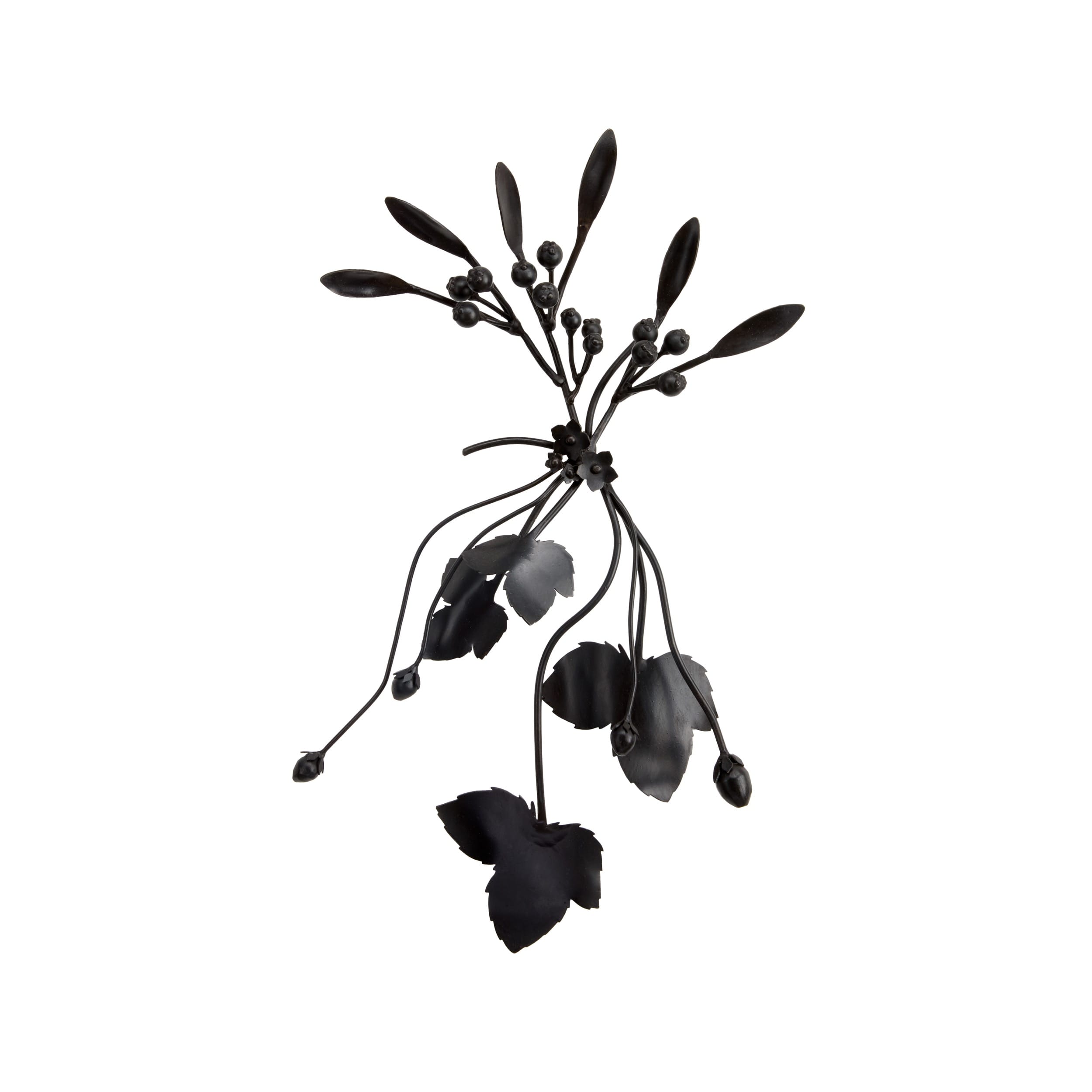
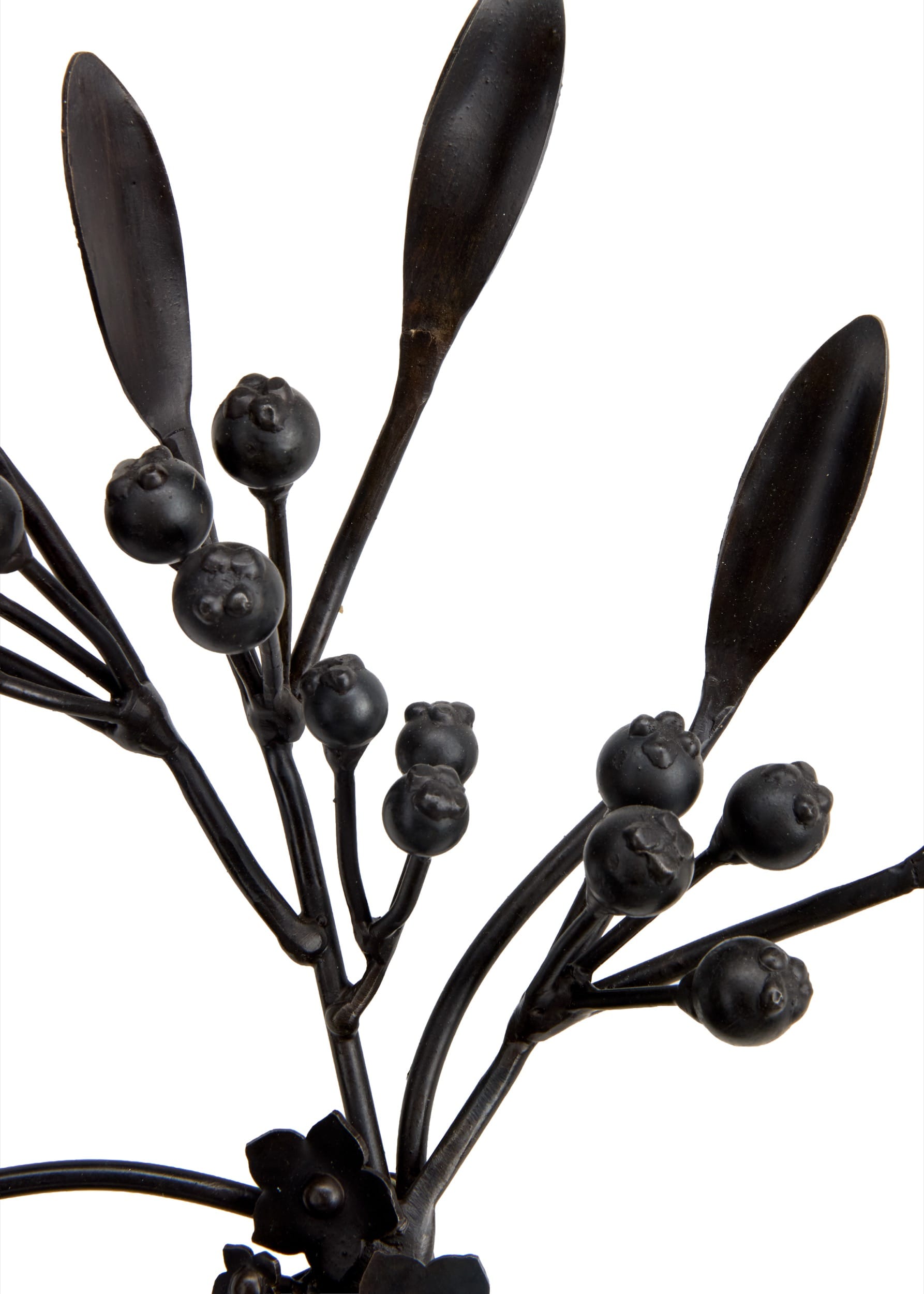
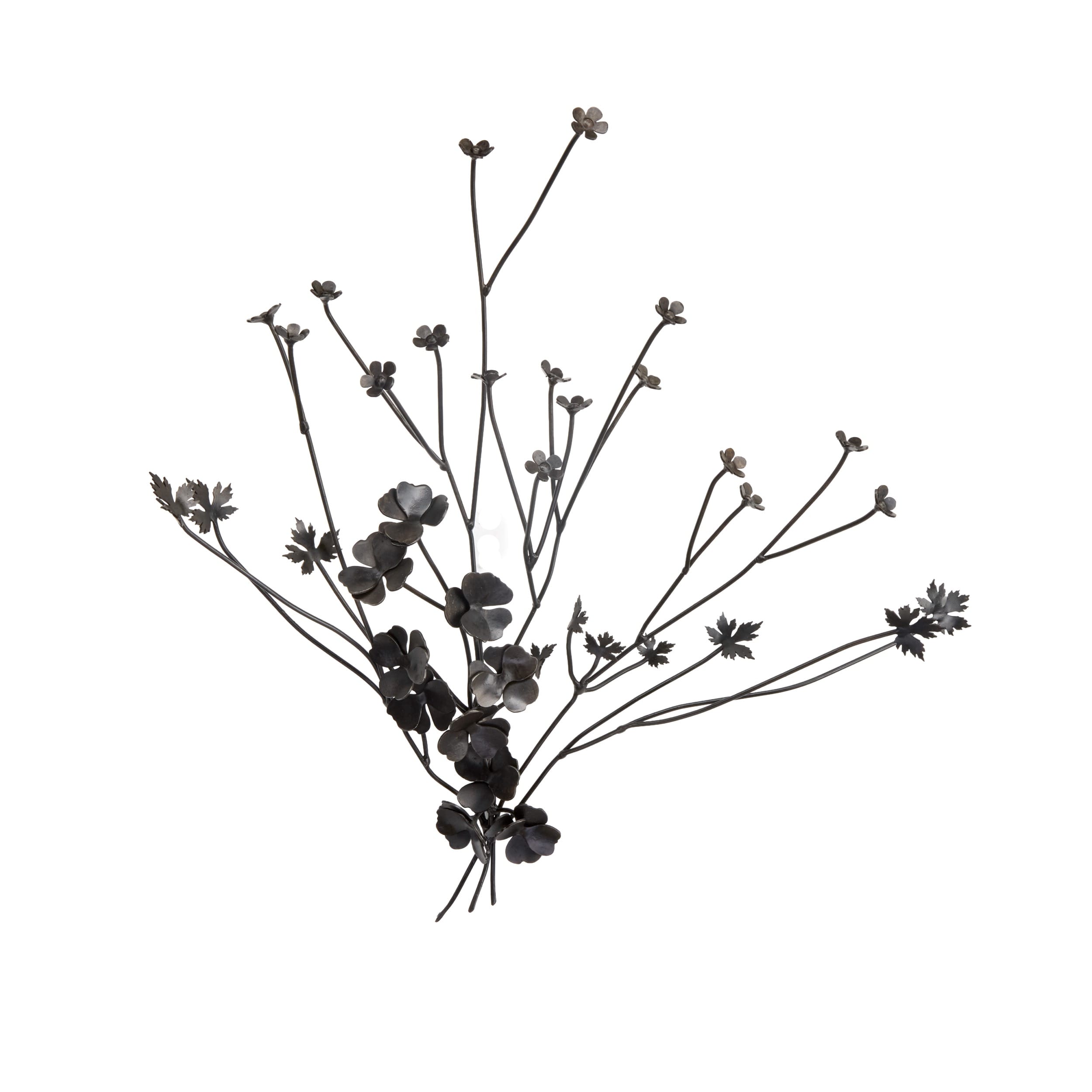
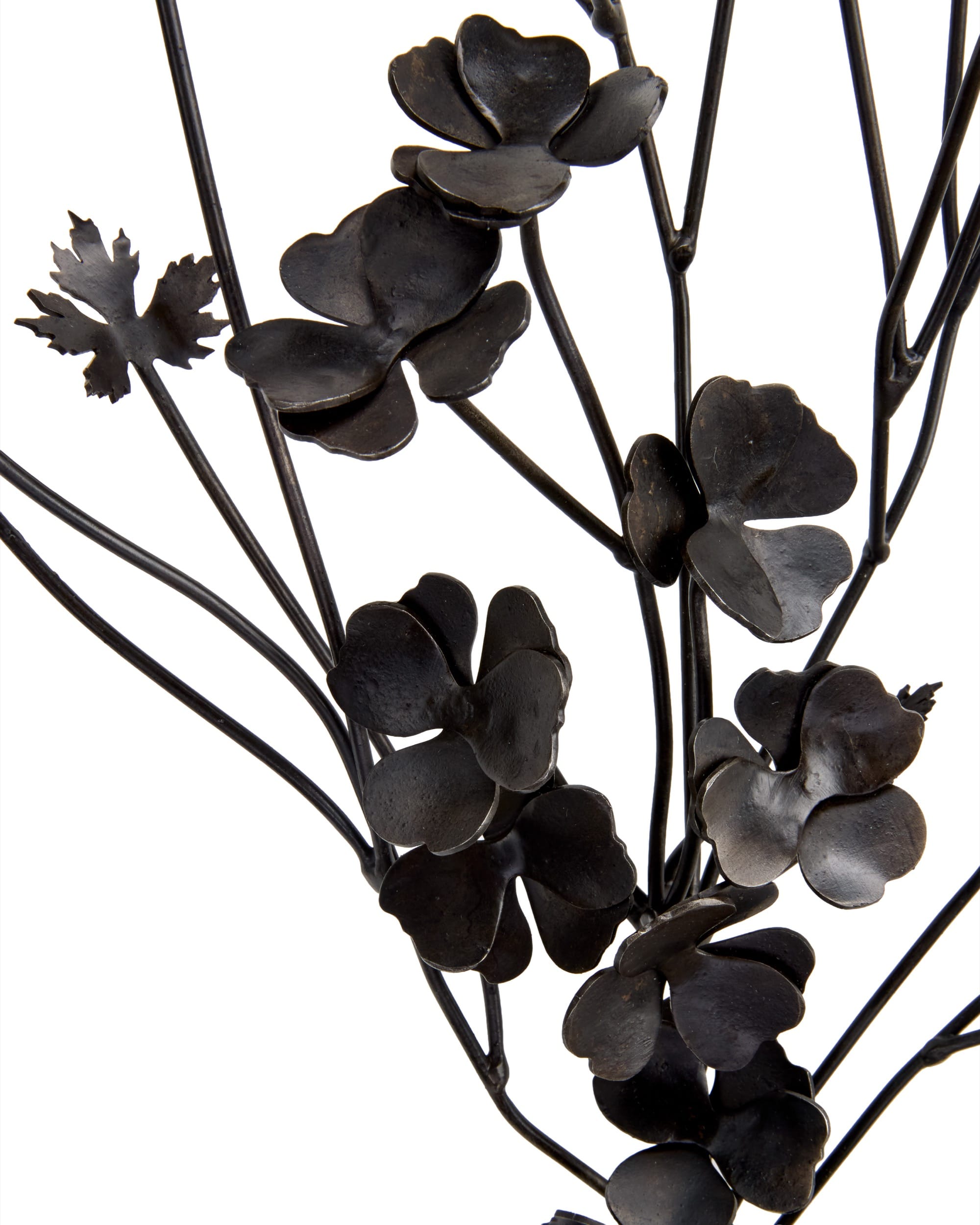
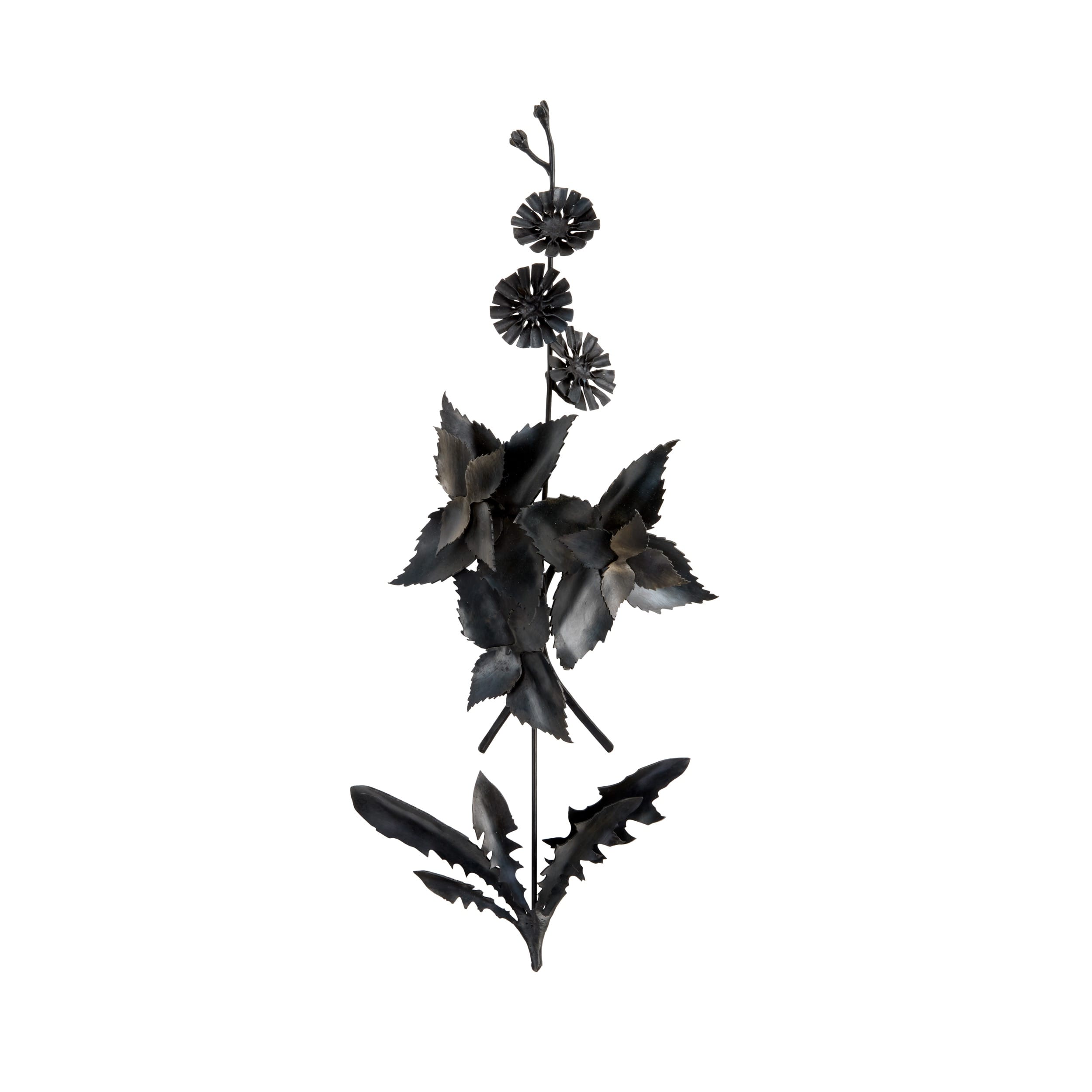
LC: In the three sculptures you are showing in this exhibition, can you elaborate on the personal or symbolic meaning behind the plants you are depicting, such as chicory, blueberries, strawberries, and cattails?
MJ: I like to use imagery that shares layers of narrative. Strawberries and cattails were a reminder of my grandmother's house at Akwesasne. The reservation is on swampland so cattails were plentiful, and the wild strawberries that grew on her lawn marked the beginning of springtime. Culturally, the strawberry is considered a gift from the Creator and the first berry of the season. The juice, or "strawberry water," is known to promote health and well-being and is a feature of various cultural ceremonies. Cattails have several uses, from being edible to being used to make mats as well as a styptic and a fire starter.
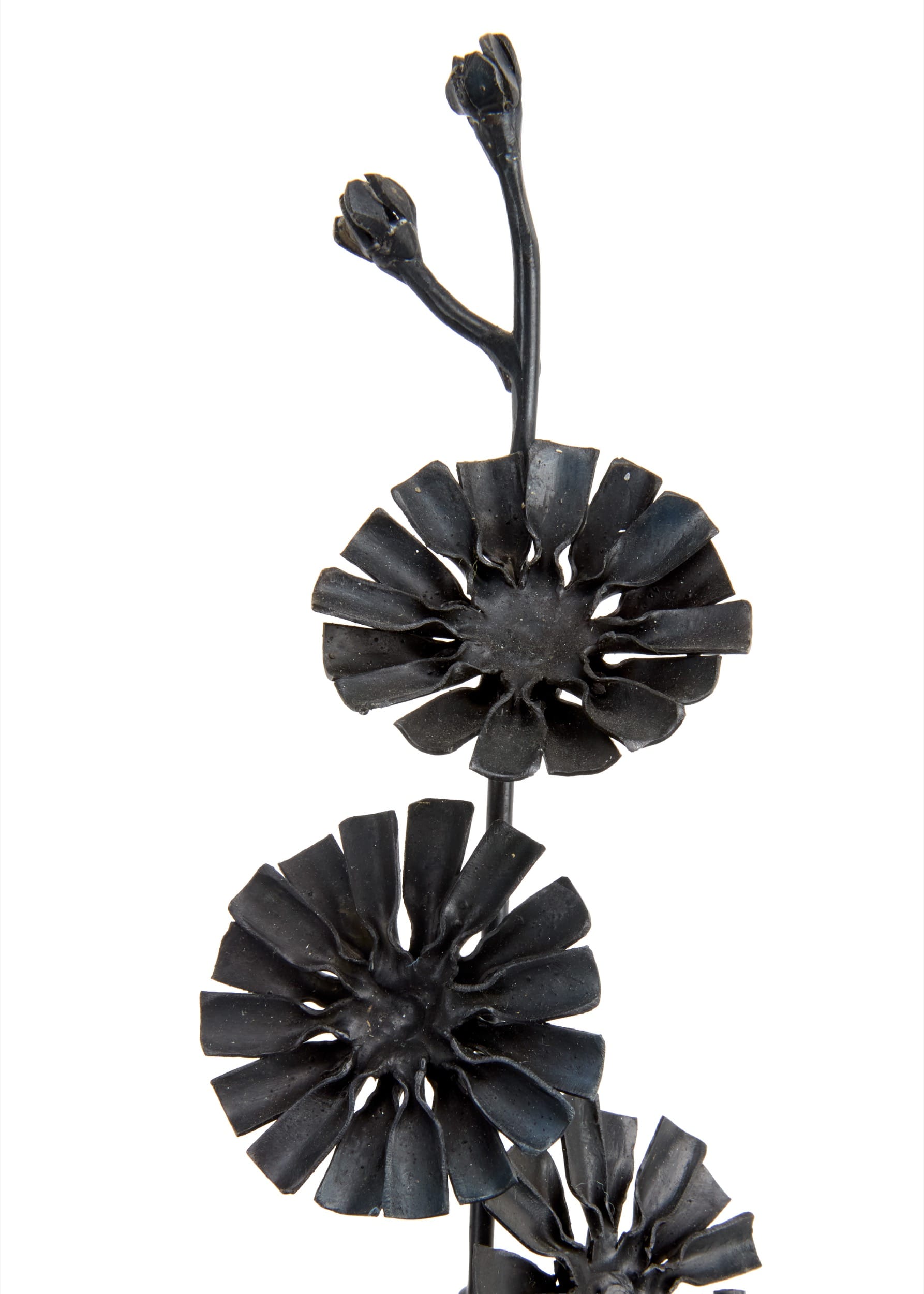
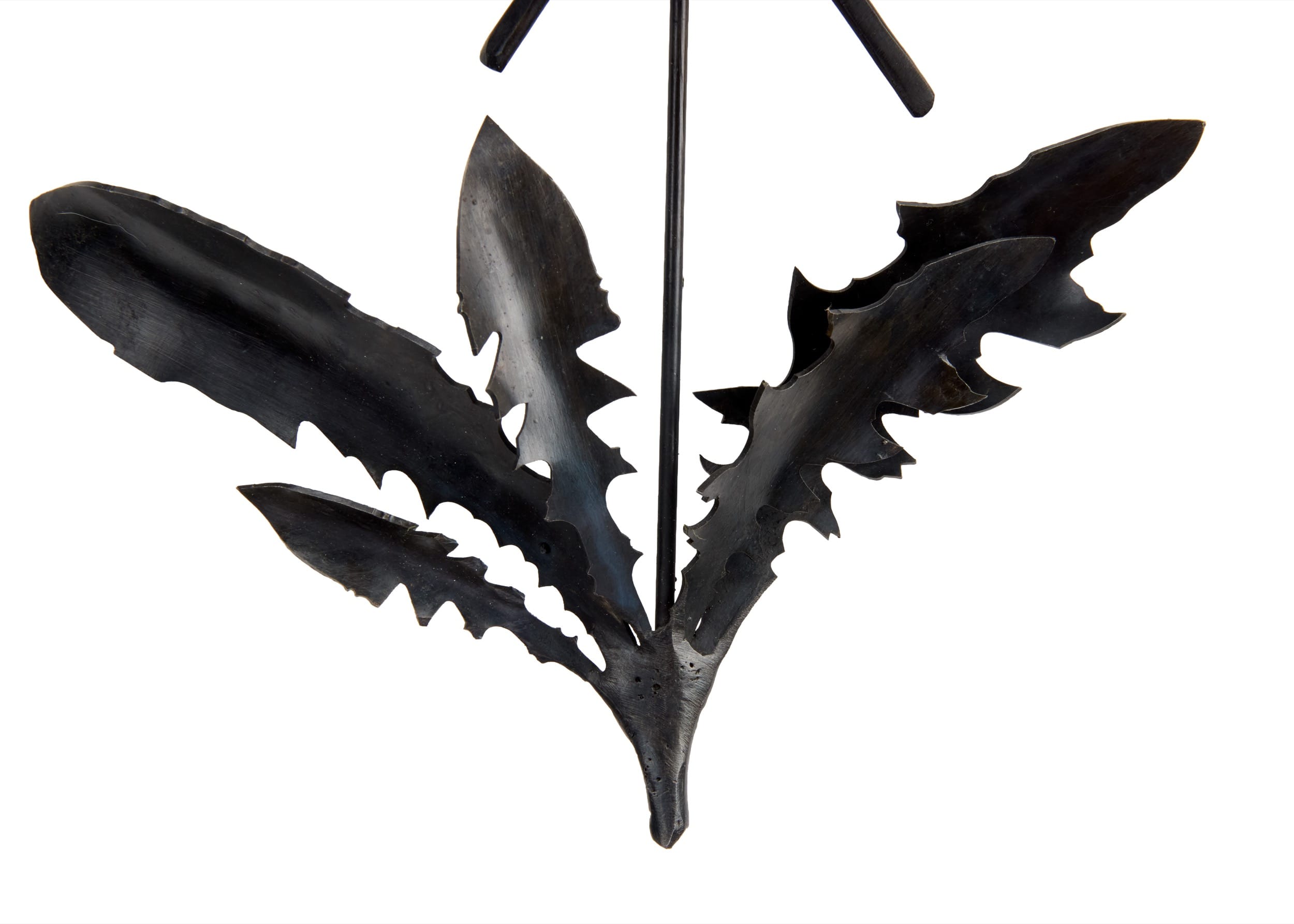
Chicory is a newer plant that I've started using in my work–personally, it is a plant that I've started using the last several years as a coffee alternative, but it is used for many medicinal uses by different cultures. It also reminds me of my other grandmother's house, as her land was packed with chicory.