with Lucy Commoner, May 2026, for Because, now is the time of monsters
LC: Your artwork encompasses photography, drawing, sculpture, and textiles. What connects the various media and techniques in your practice?
VM: I think the main link between these materials in my art is the focus on the handmade. There's a long history of handicrafts in my family — from building functional furniture to crocheting decorative doilies — that has certainly influenced my artistic practice. I'm primarily a photographer and very much adhere to analogue techniques, developing and printing my images by hand in the darkroom, exploring alternative and antiquarian processes — all those things that contribute to the magic of photography, that moment of seeing an image come from nothing in a tray of chemicals. I think it's that same magic, that same satisfaction, when making anything by hand… photographs, sculptures, textiles, etc. In more recent series, I've also been using these different media to create objects to be used as props in photographs. I often find myself wanting to photograph something that does not exist in the world, so I have to create it myself.
LC: The body of your work is research-based and speaks to your interest in the history of science, medicine, and the paranormal, particularly in the 19th and first half of the 20th century. Your work often incorporates related ephemera, techniques, and equipment from the past. How did you become focused on this subject matter and decide to utilize it in your artwork?
VM: I've always been fascinated by history and the myriad connections to be found across the arts and sciences. I find the 19th century particularly compelling in that it was a period of significant scientific and technological development (including the birth of photography) and the age of transition from polymaths and amateurs to professional scientists. A shift from an expansive breadth of general knowledge to specialized depth and expertise. There is something quite wonderful (albeit romantically nostalgic) in the role of the amateur scientist, to not be constrained by academic boundaries and to be free to follow your curiosity wherever that might lead. In my own work, I think I started incorporating historical topics at a moment when I was torn between continuing my academic studies or furthering my artistic endeavors. I studied photography as an undergraduate, arts management in graduate school, and after writing my thesis on taxidermy and contemporary art, I was considering pursuing doctoral studies in art history or the history of science. In the end, I figured I could be freer as an artist using research to make art than be a historian using art to further the research. In a way, I chose to be the amateur.



LC: Your work also has a connection to the history of mysticism and the occult and how early photography was used to support these interests. In your artwork, there is an imagining and reimagining of the past, drawing a fine line between actual reality and constructed reality. I am reminded of the ephemera collection and artwork of the artist Tony Oursler. Did he or other artists influence the direction of your work?
VM: I can't say that there was a direct influence in the direction of my work, but the work of artists like Tony Oursler or Kara Walker are great examples which show that historical visual vocabularies can still resonate to broader contemporary audiences today. In the case of Oursler, there's a definite kinship in our interest in occult practices, but I think the approach is different. His collection of objects is absolutely amazing, a veritable archive of spiritualism and pseudoscience, but in my own work I tend to use similar source materials as inspiration or reference rather than as a final object in itself. Overall, I'm drawn more to the preternatural than the supernatural — those things that appear outside or beyond the natural, yet exist within it — a kind of threshold between the mundane and the "magical". Which is exactly where I find myself with the project I'm currently working on. It's taking a lot of inspiration from the history of apotropaic practices, including rituals of domestic protection and items used to counter the effects of witchcraft — a kind of concealed history of everyday objects used for occult purposes.
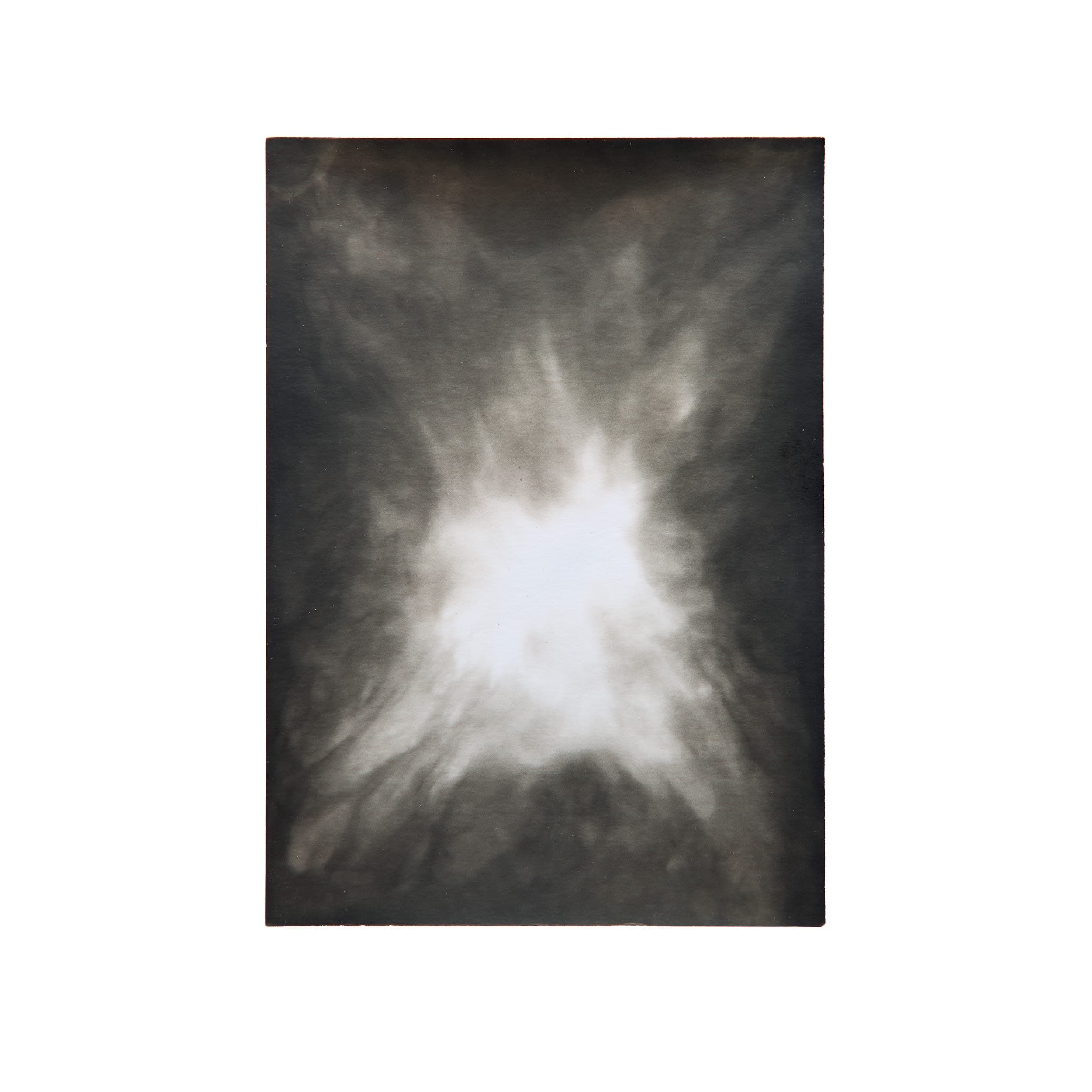
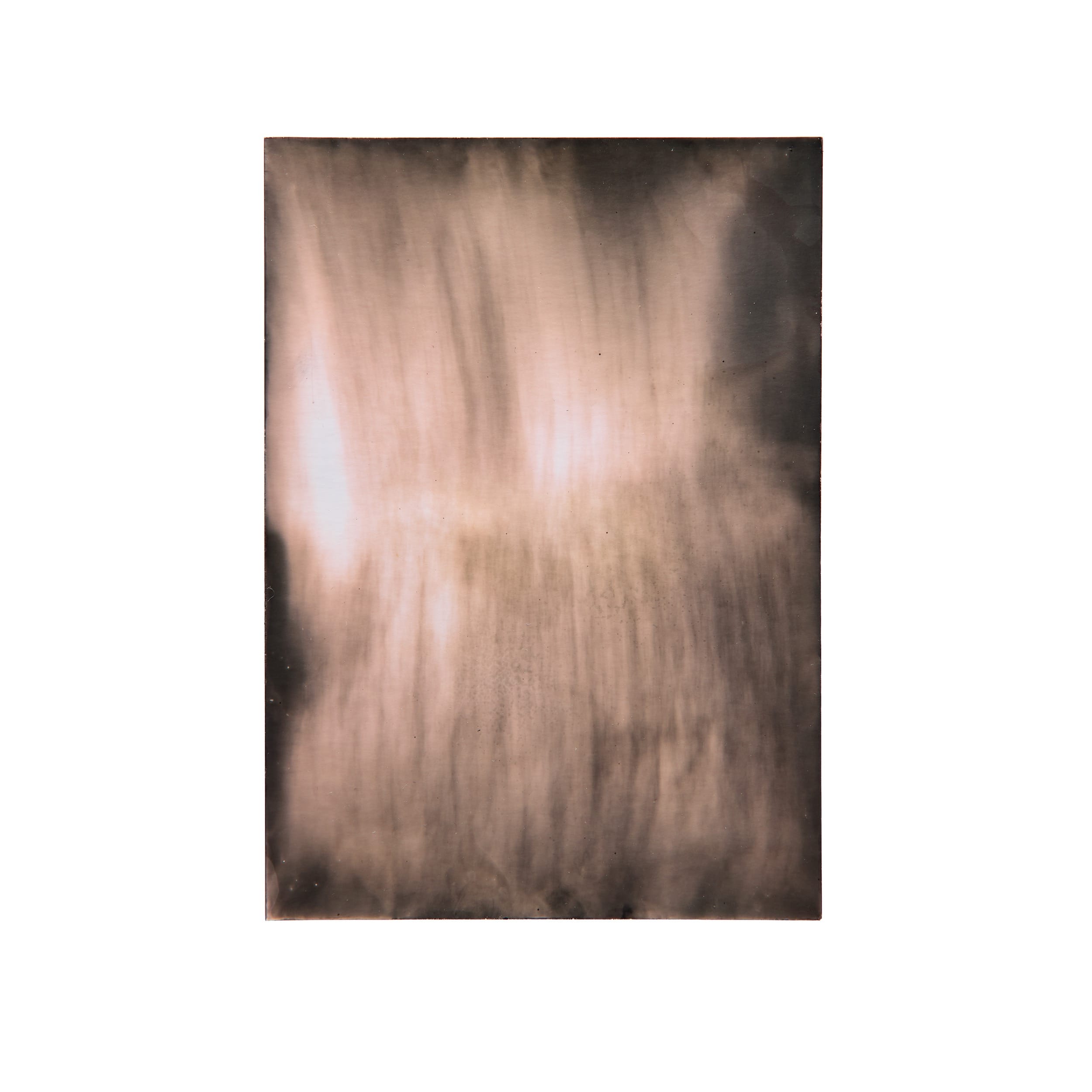
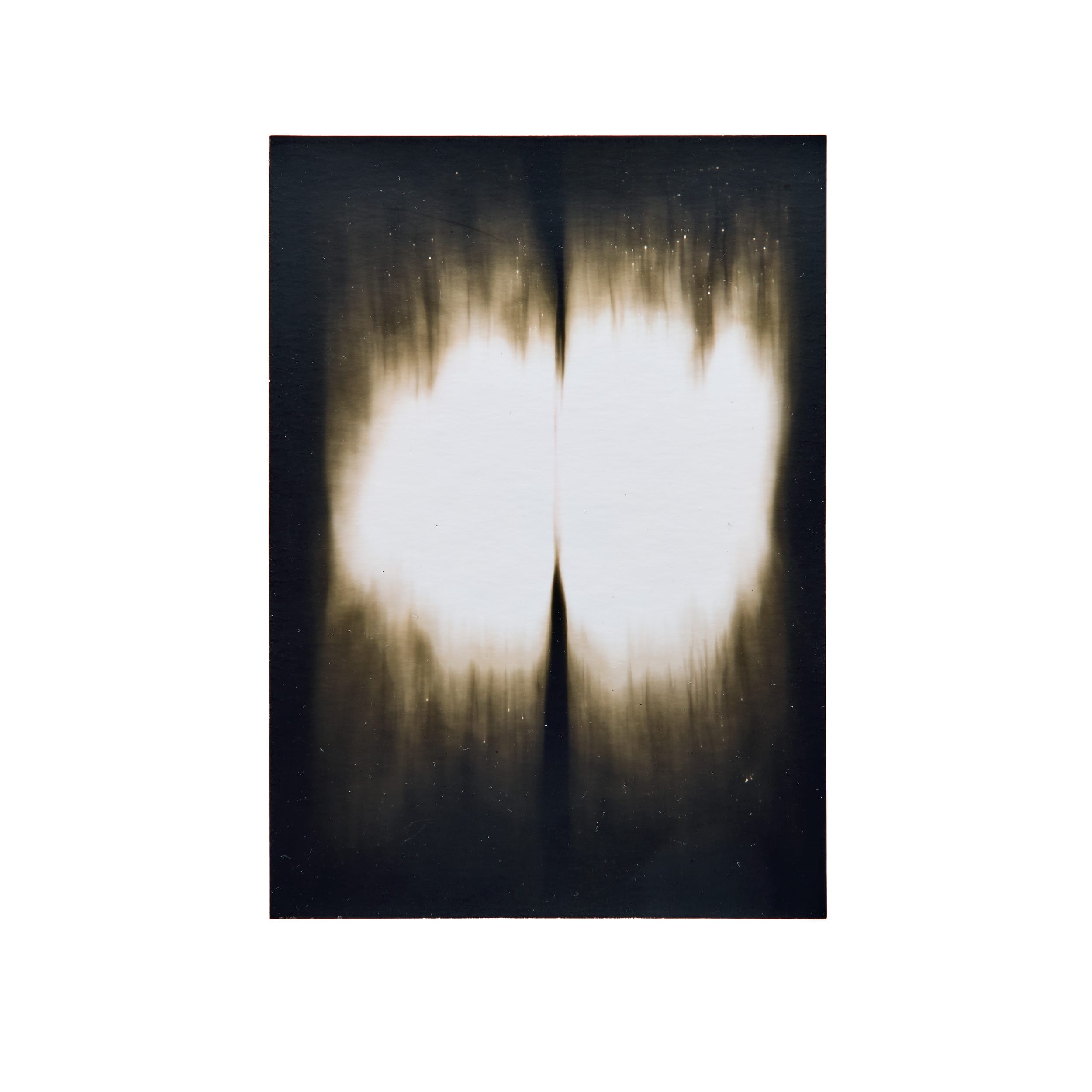
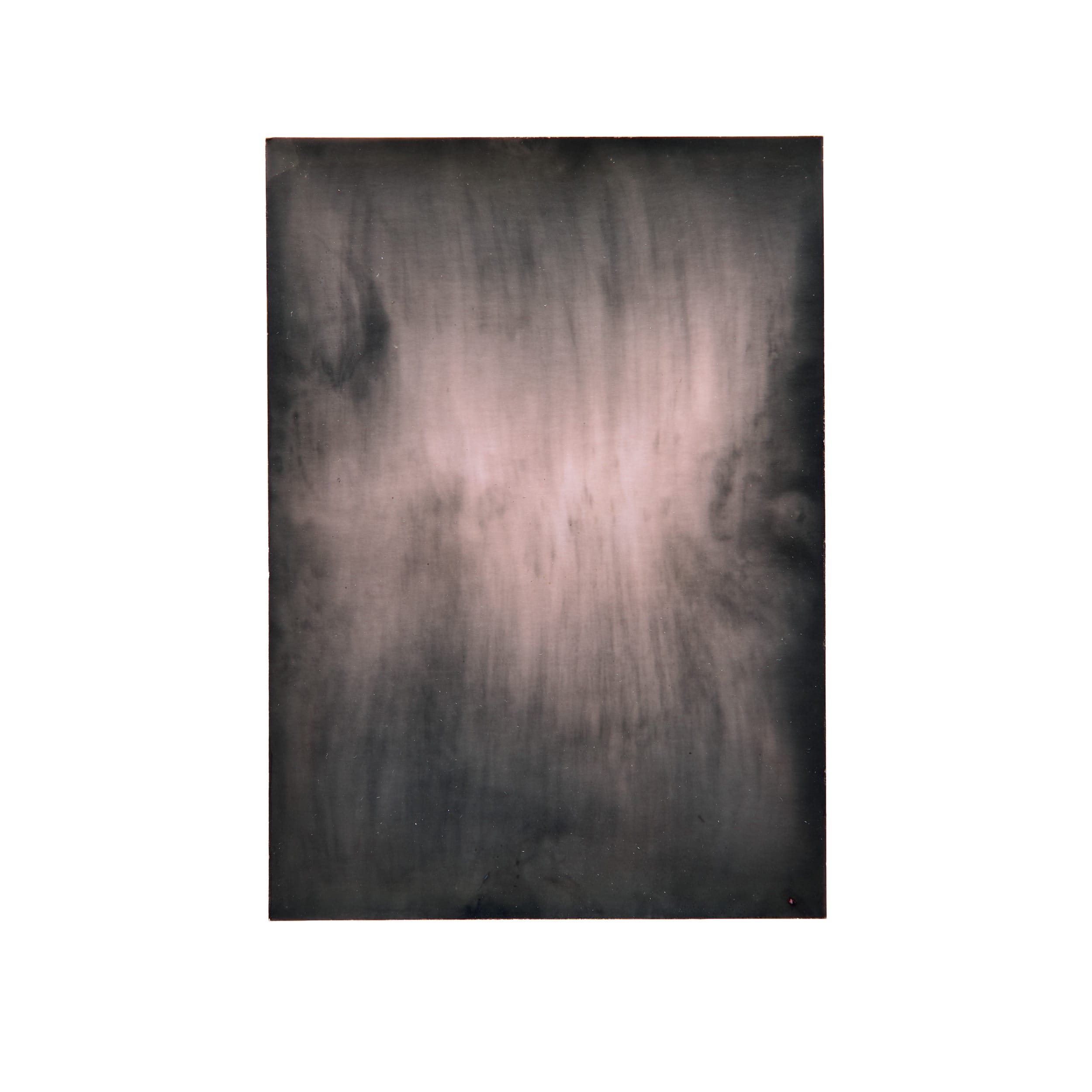
LC: In this installation, your numinous photographs are beautifully shown flat in a table case. The tight grid organization of the photographs creates a rhythm, almost a sense of breathing in and out. Can you talk about why you chose to install your work in this way rather than in traditional wall-hung frames?
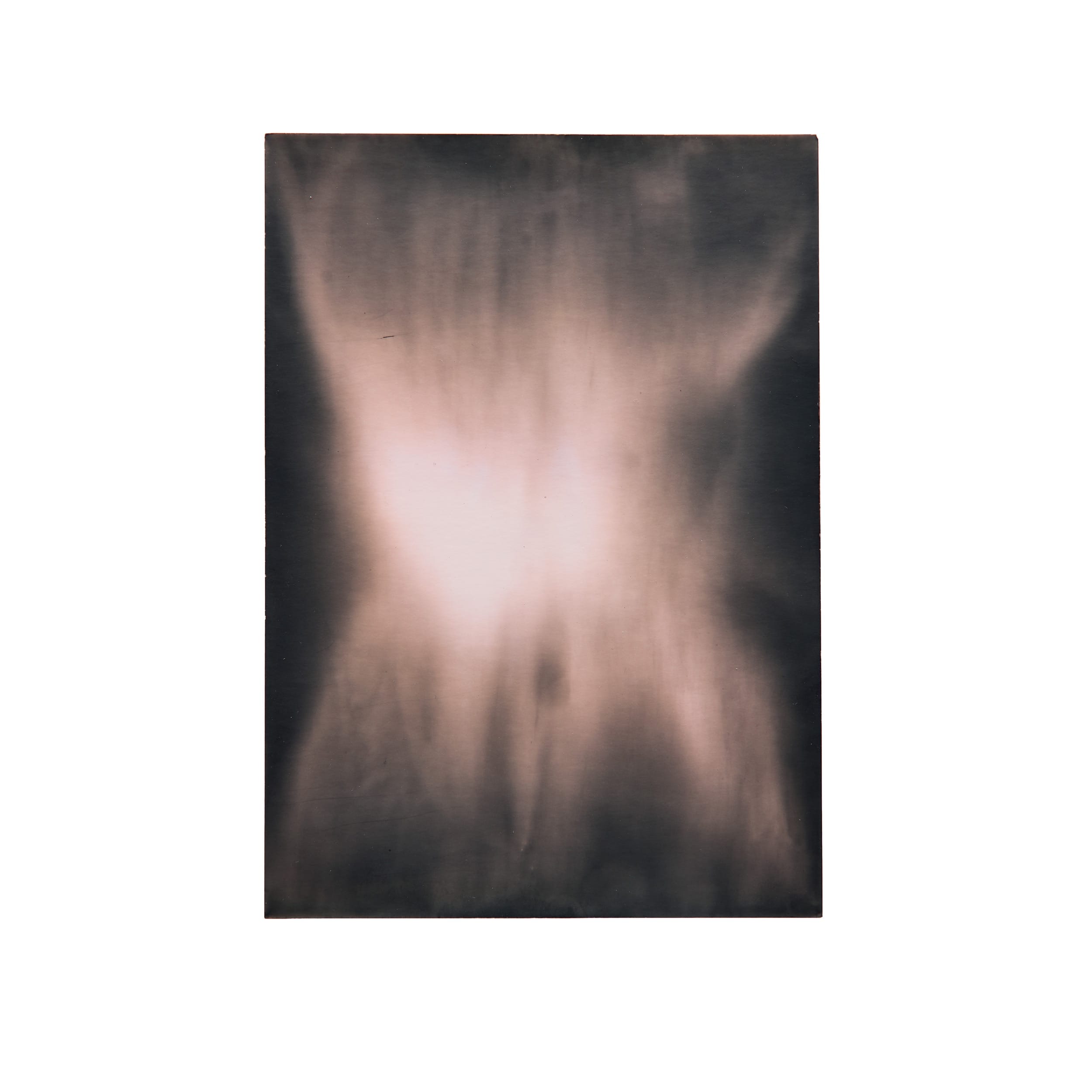
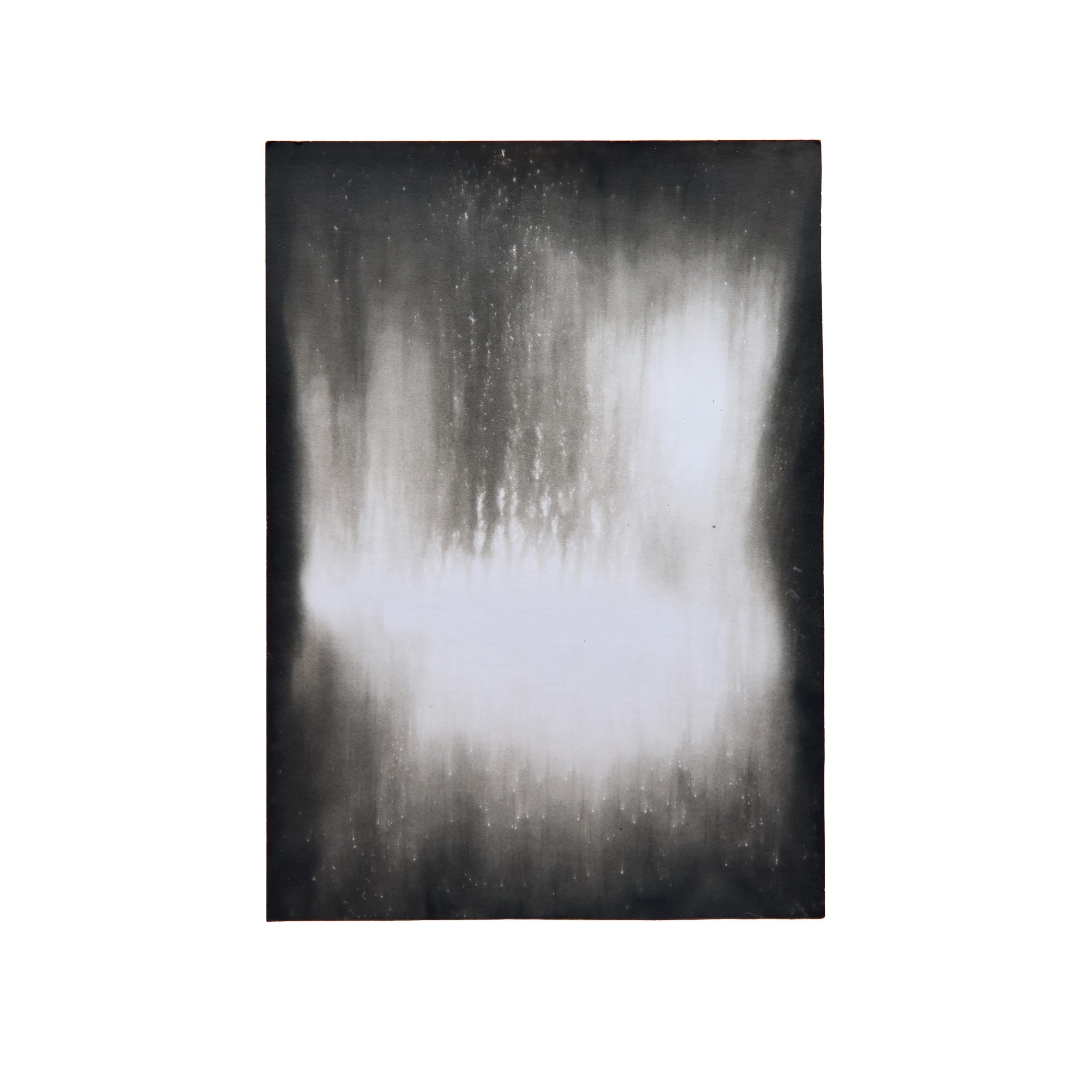
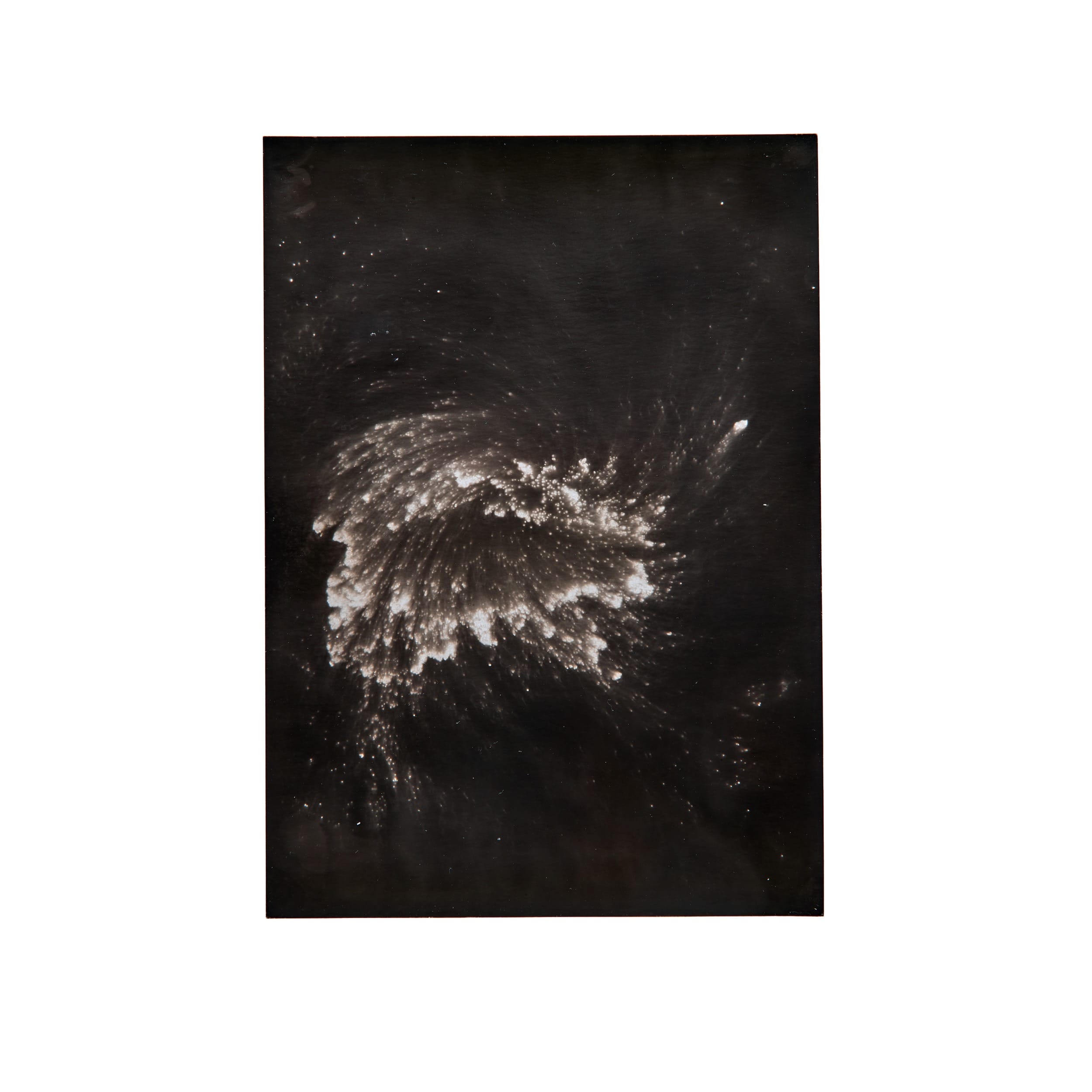
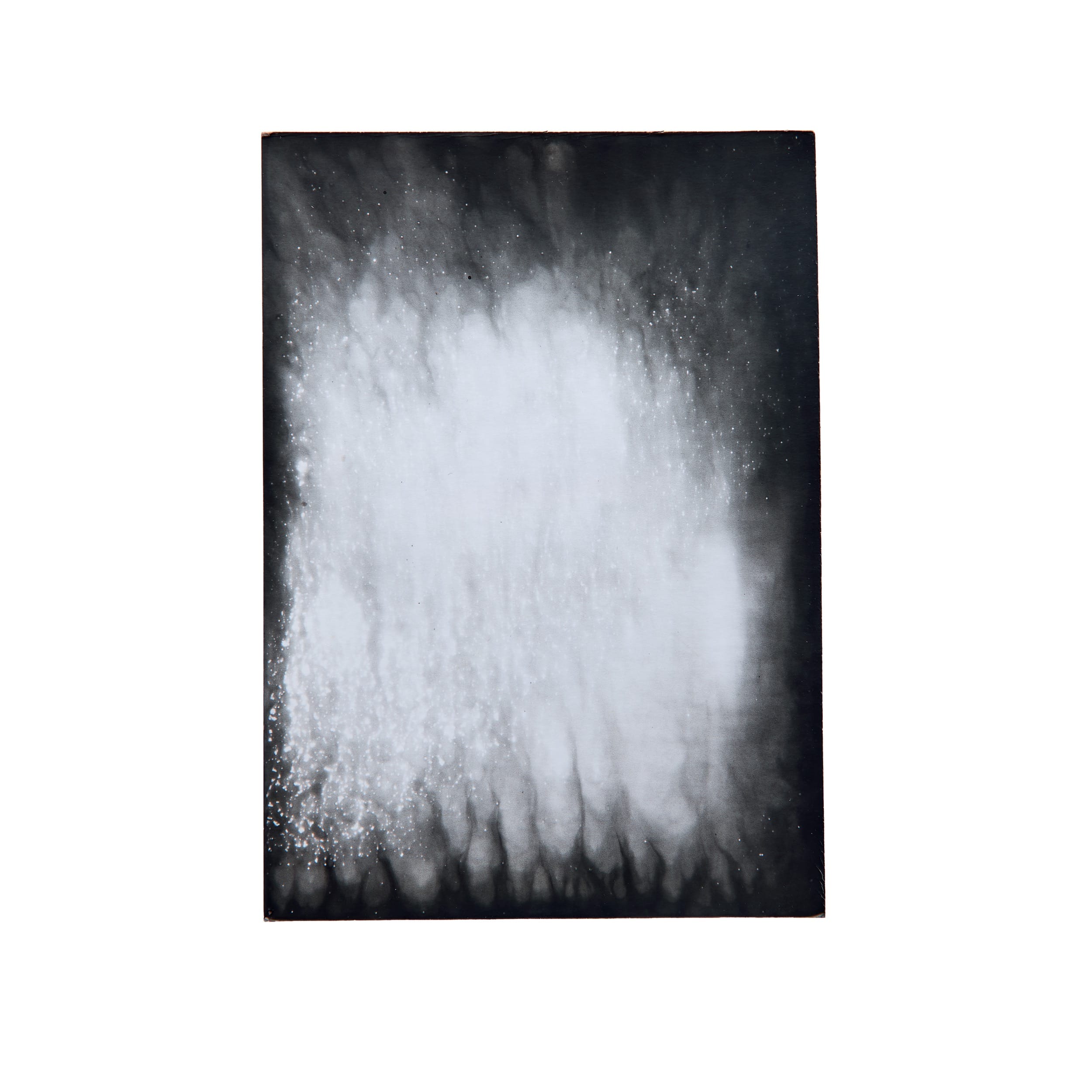
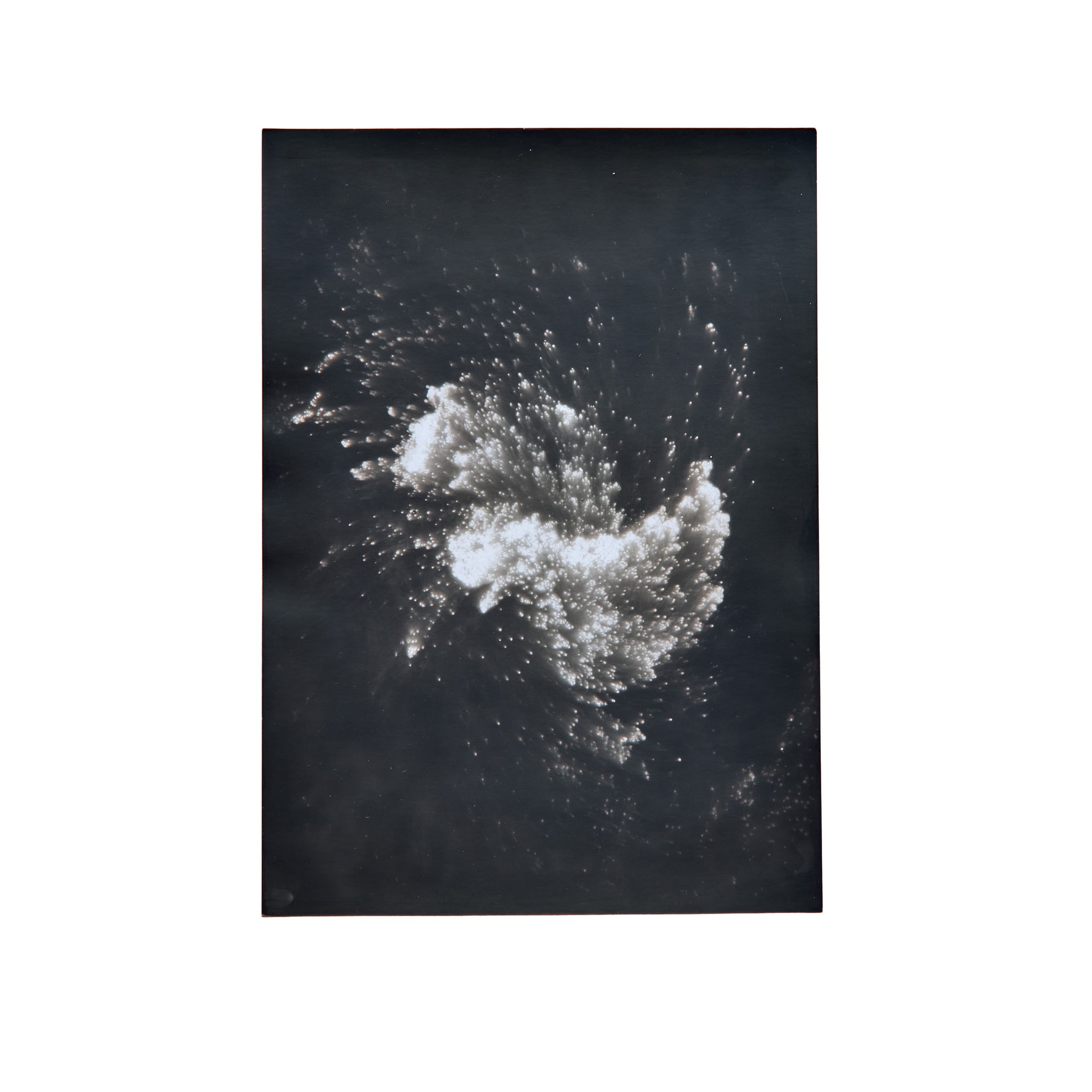
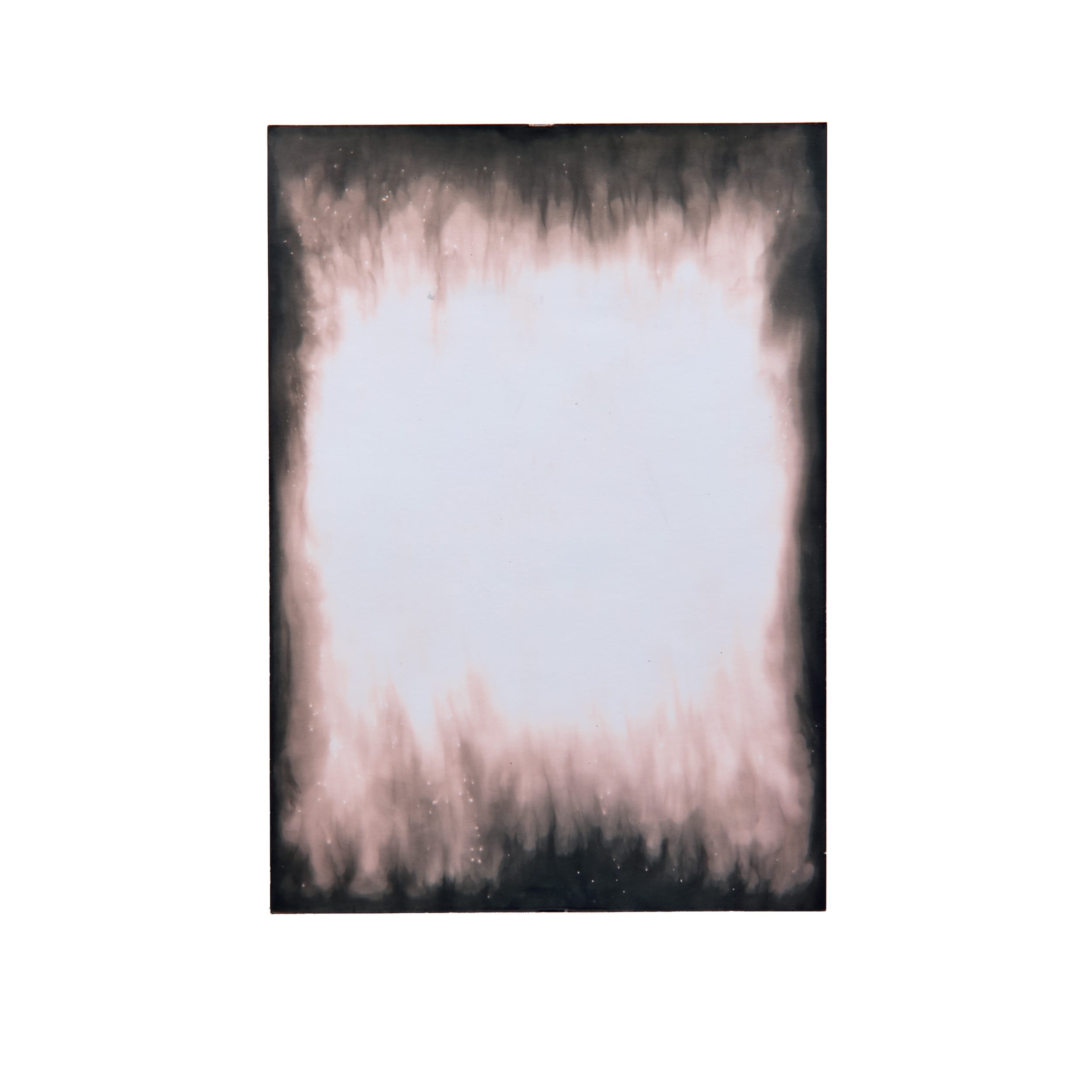
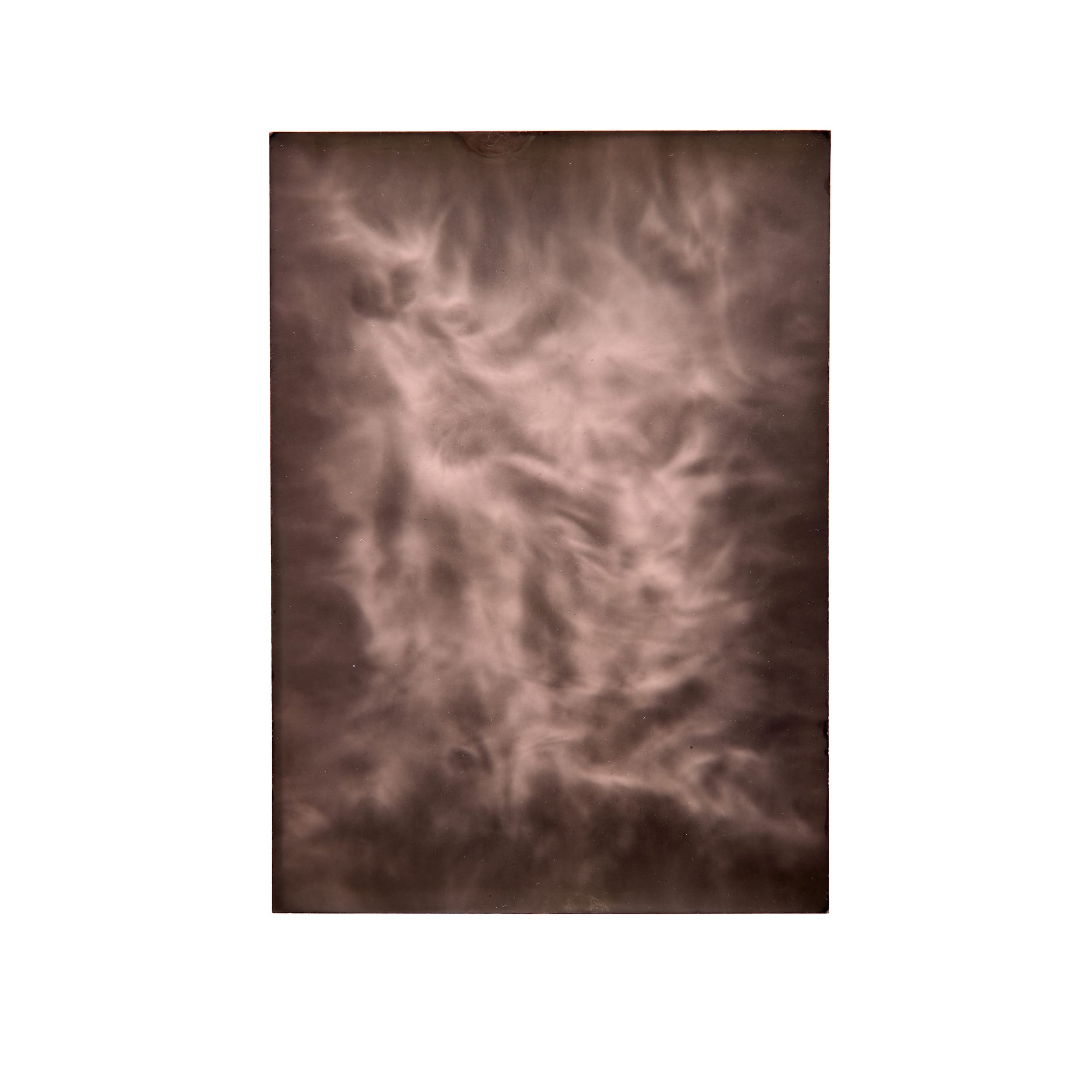
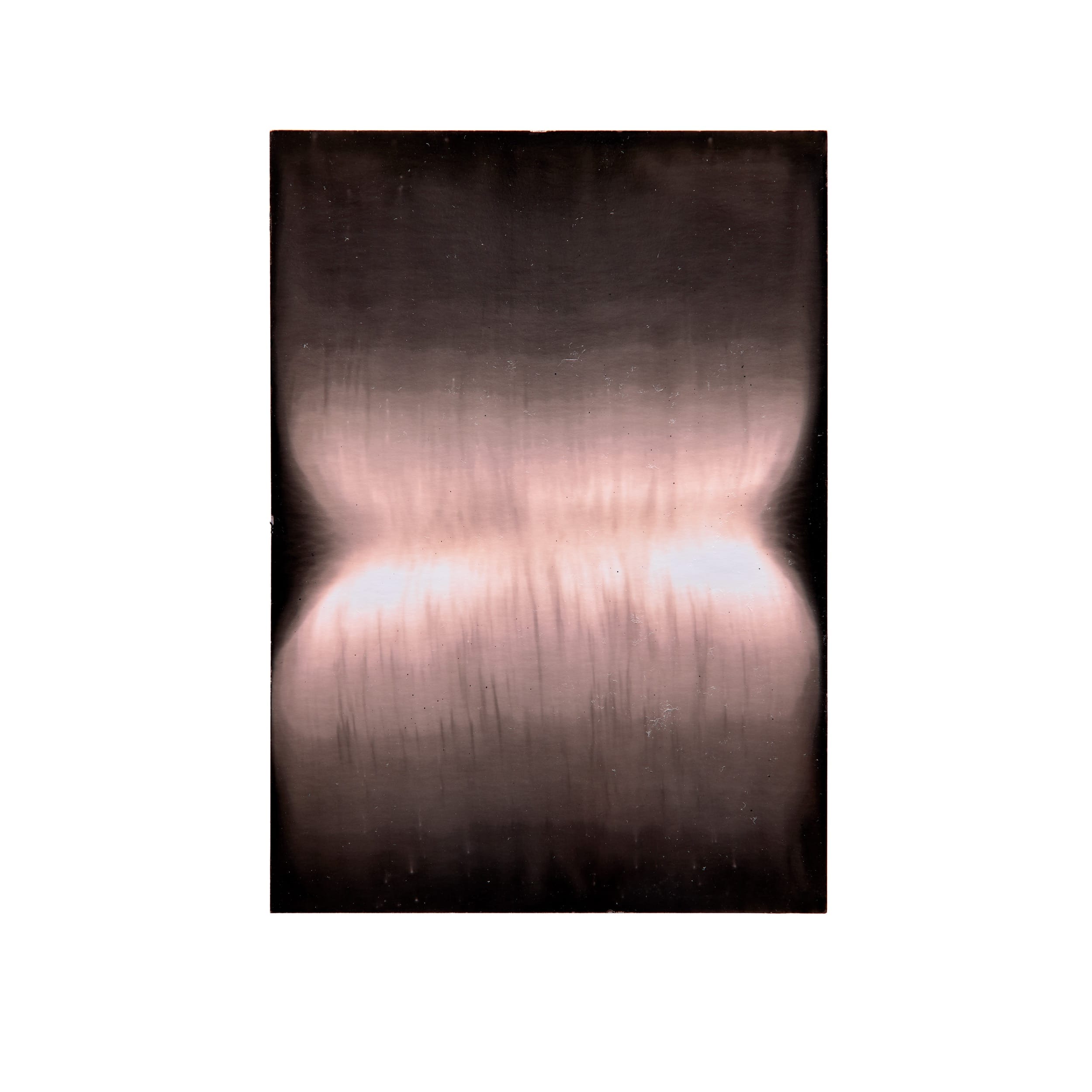
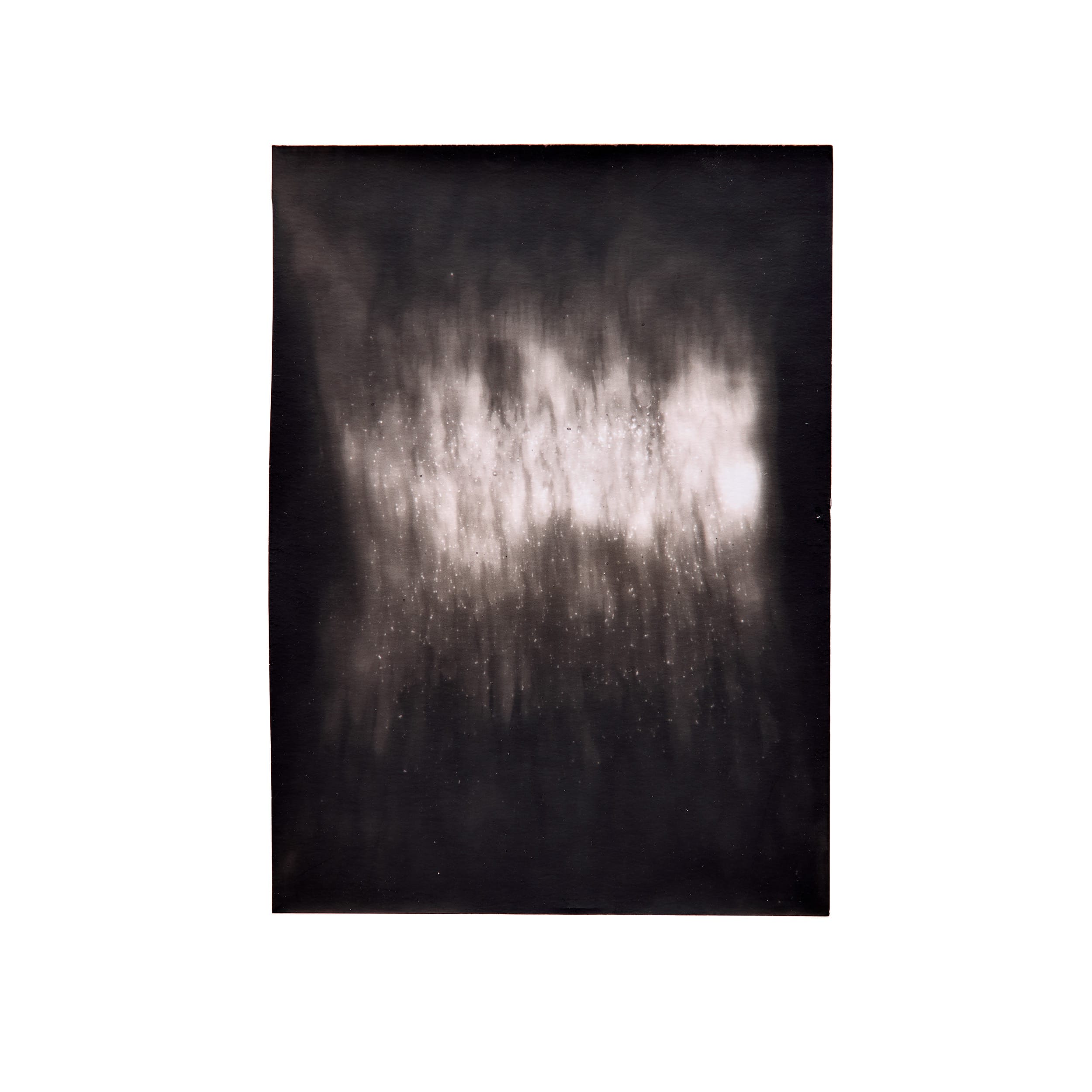
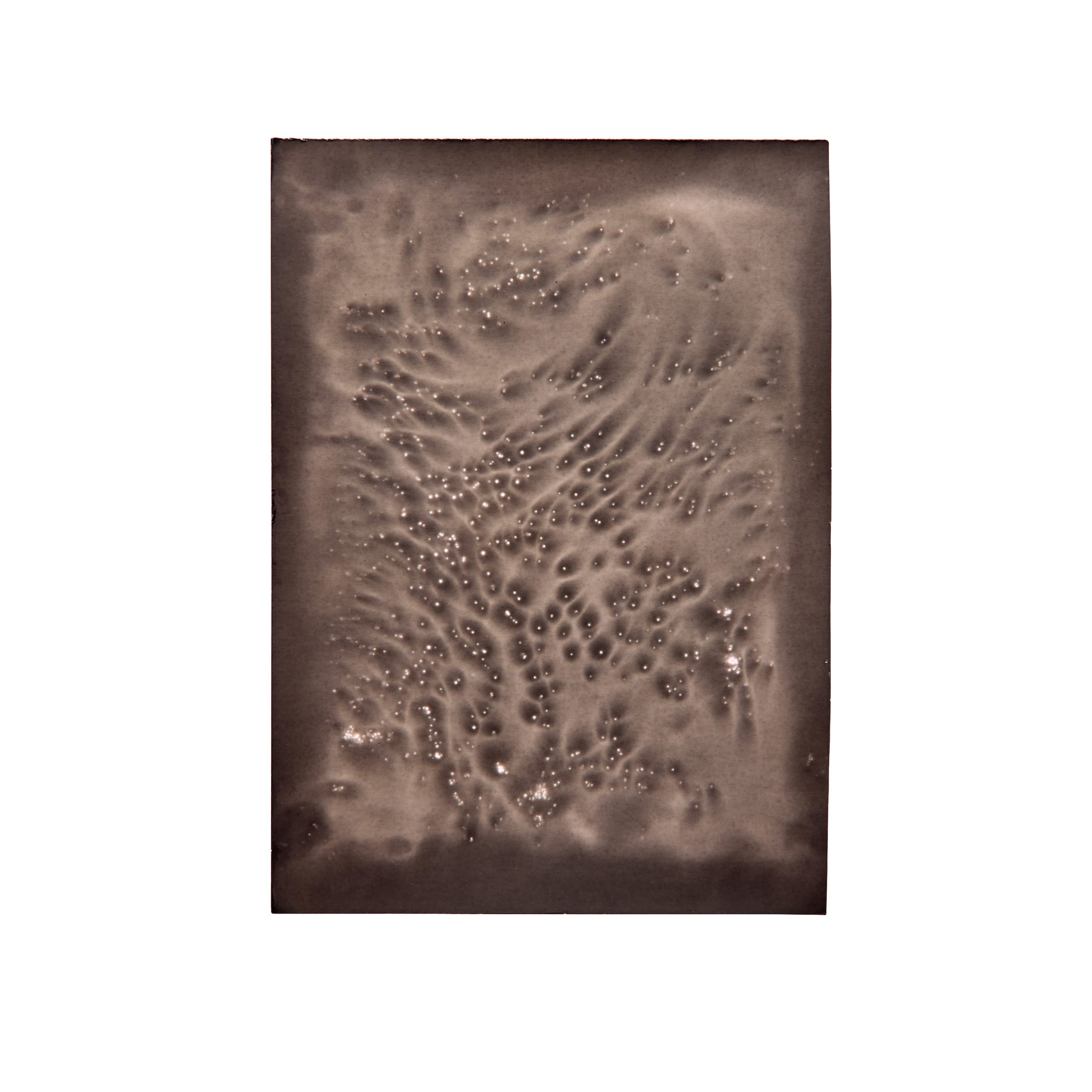
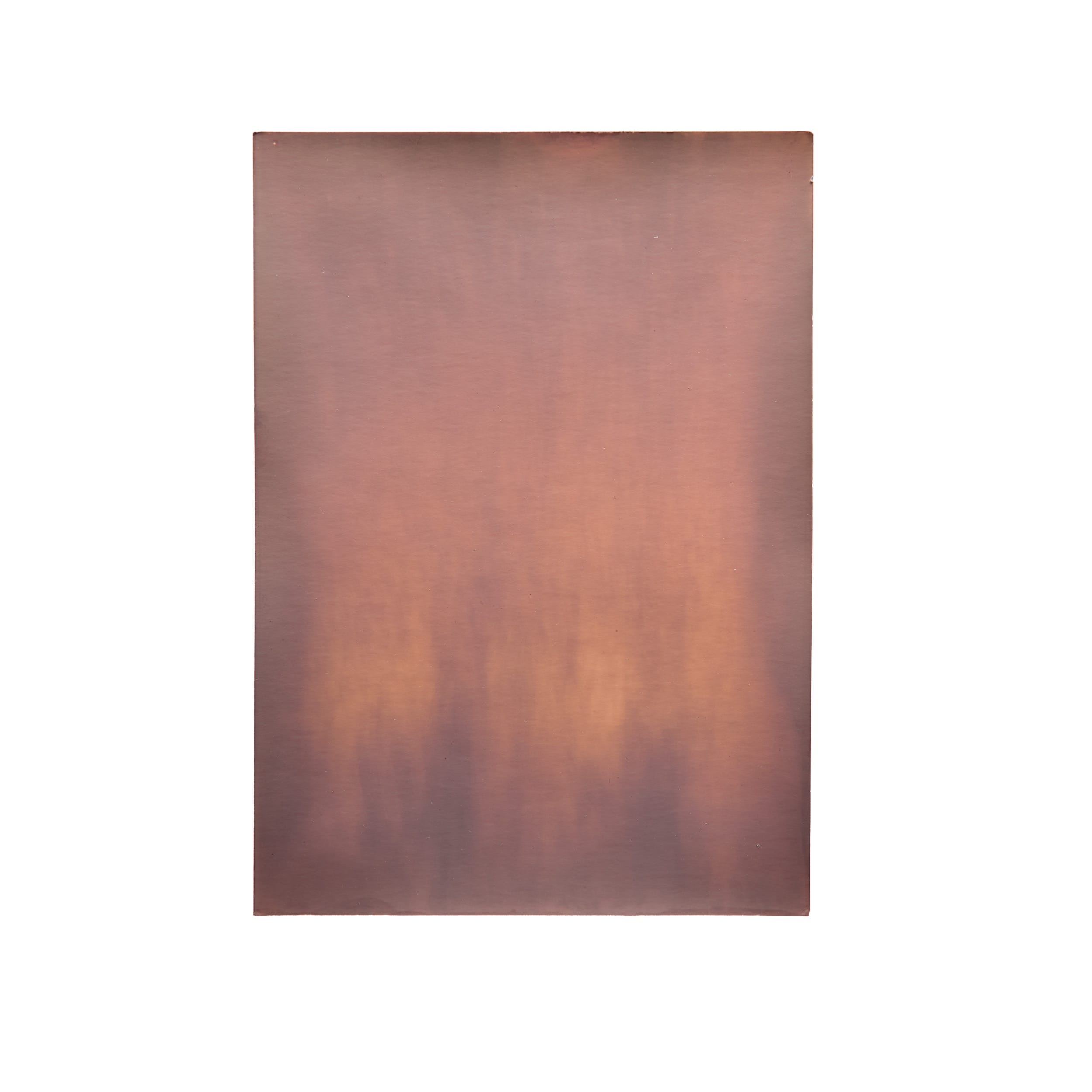
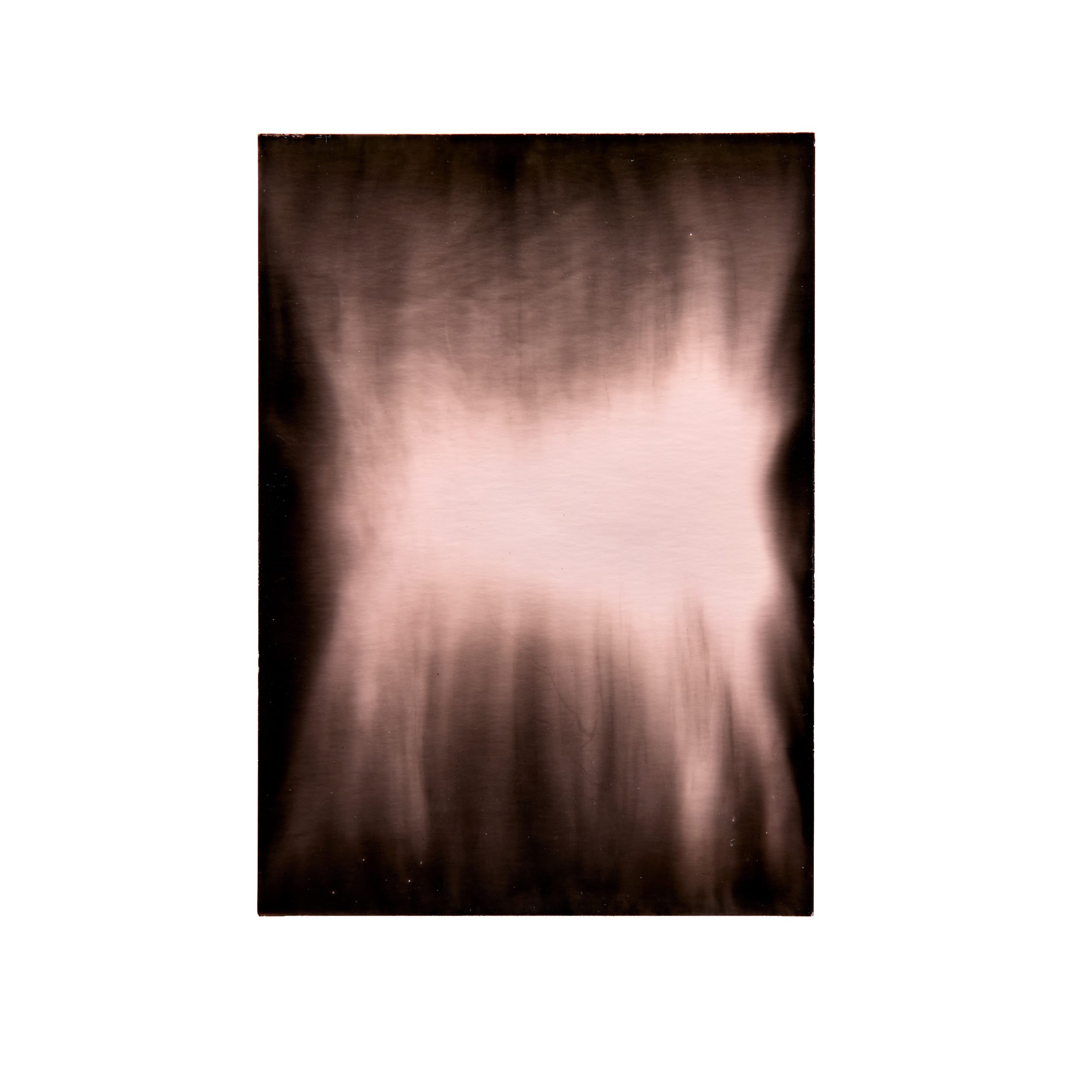
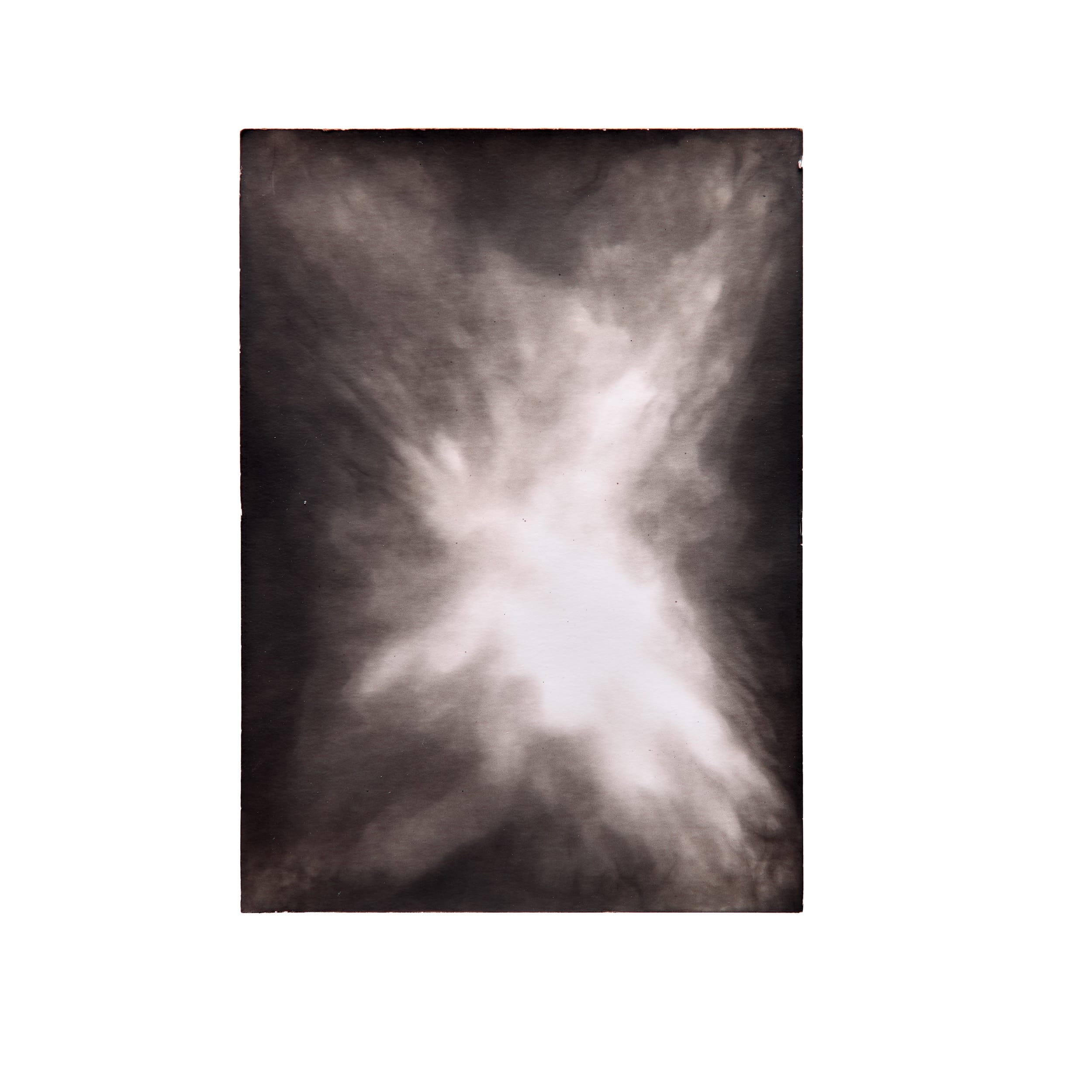
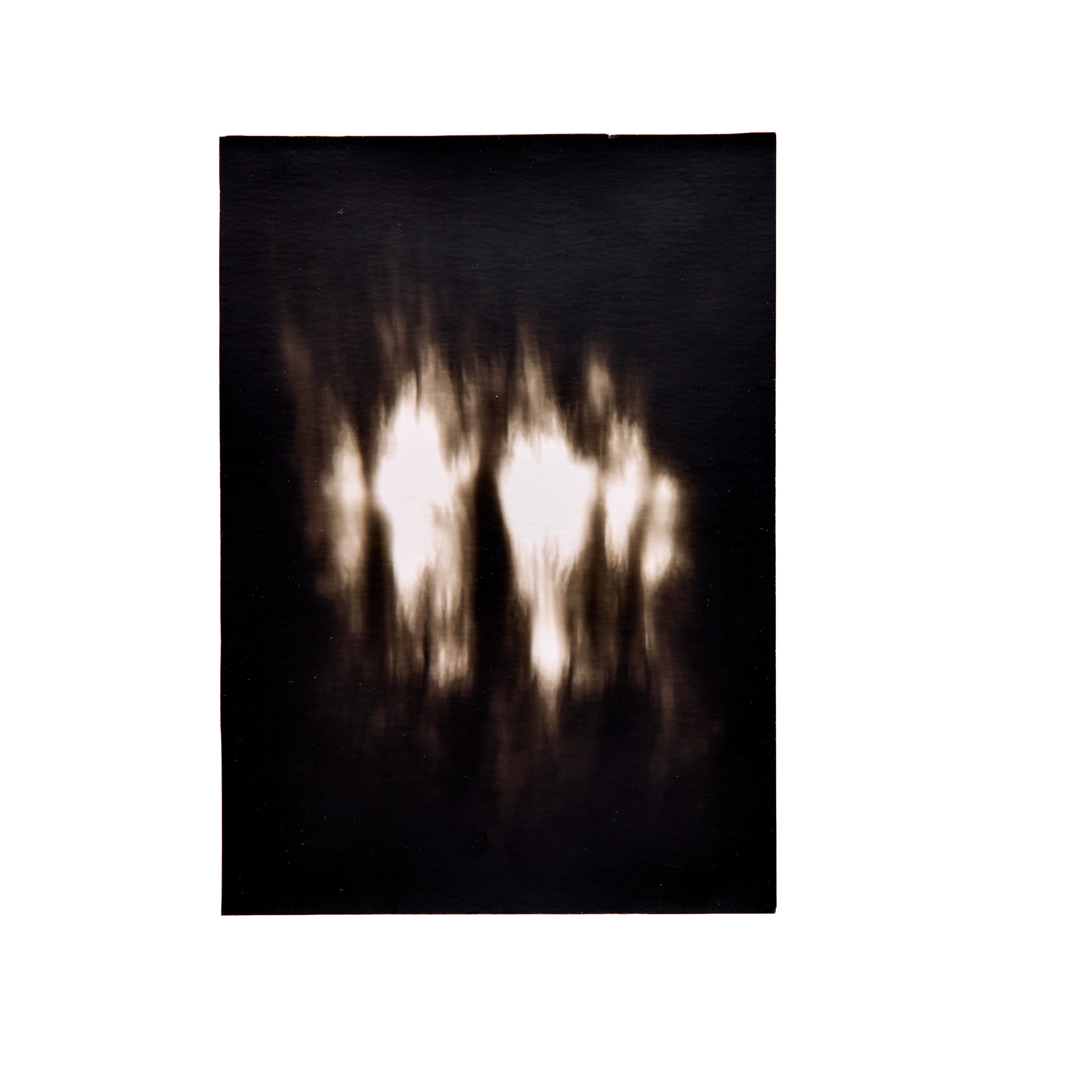
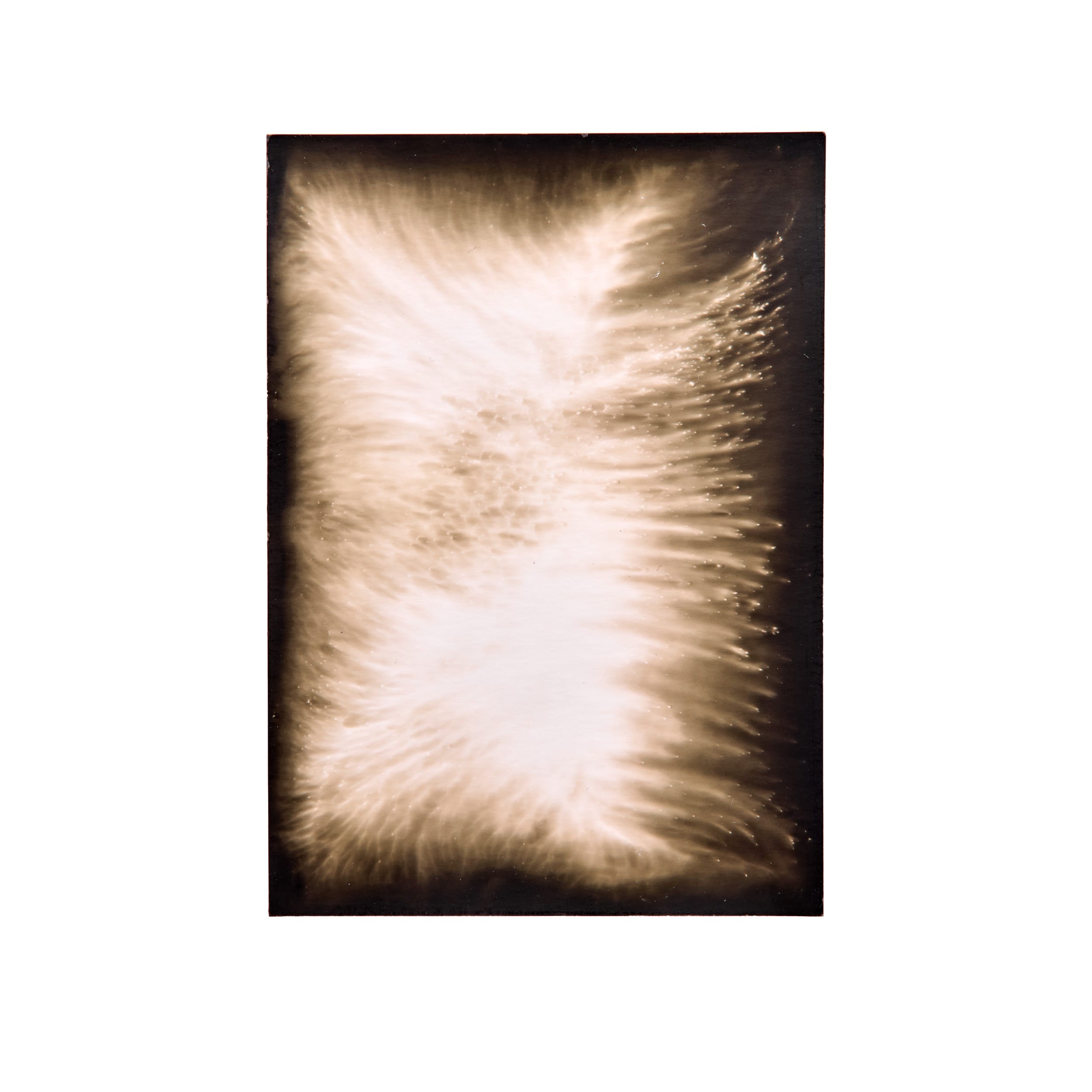
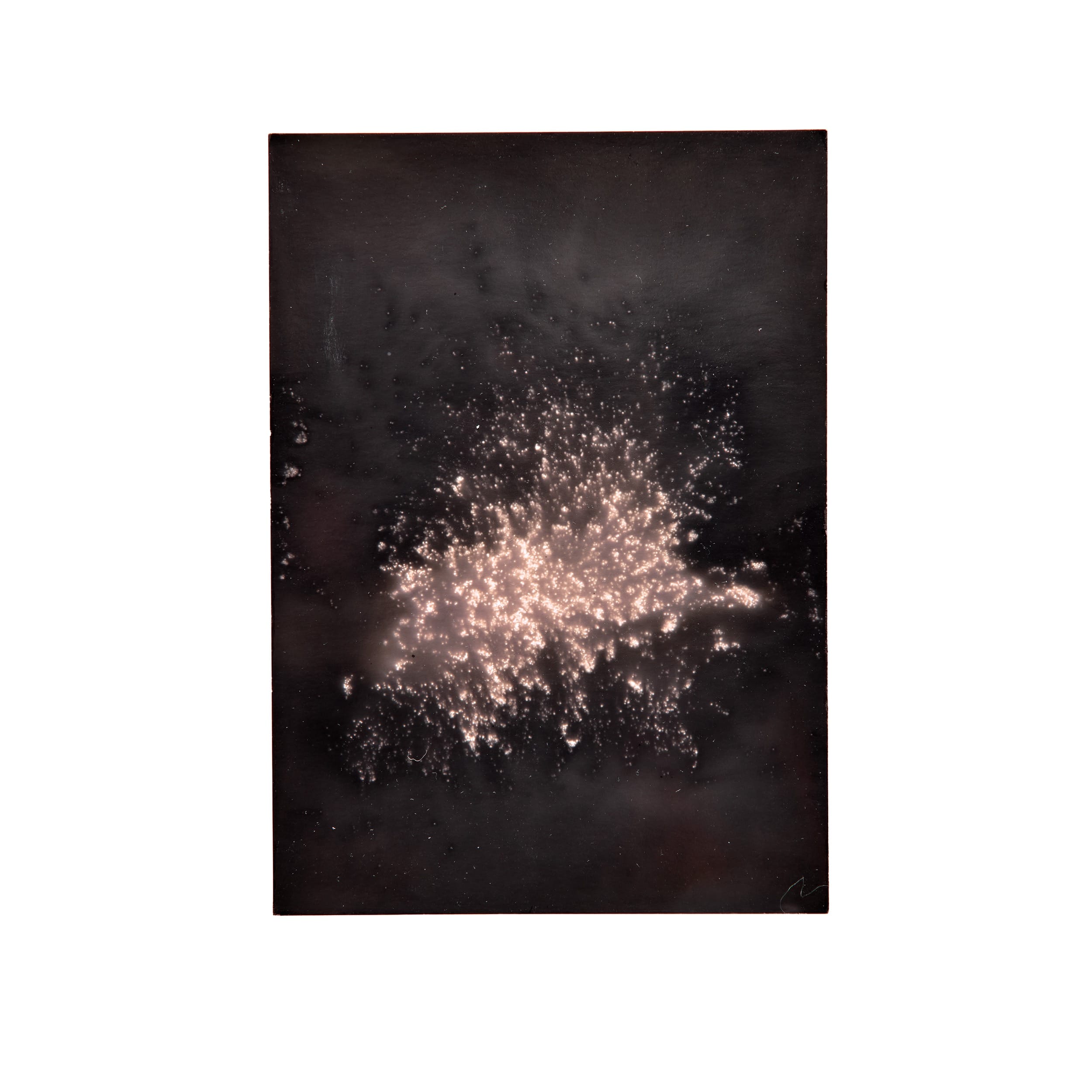
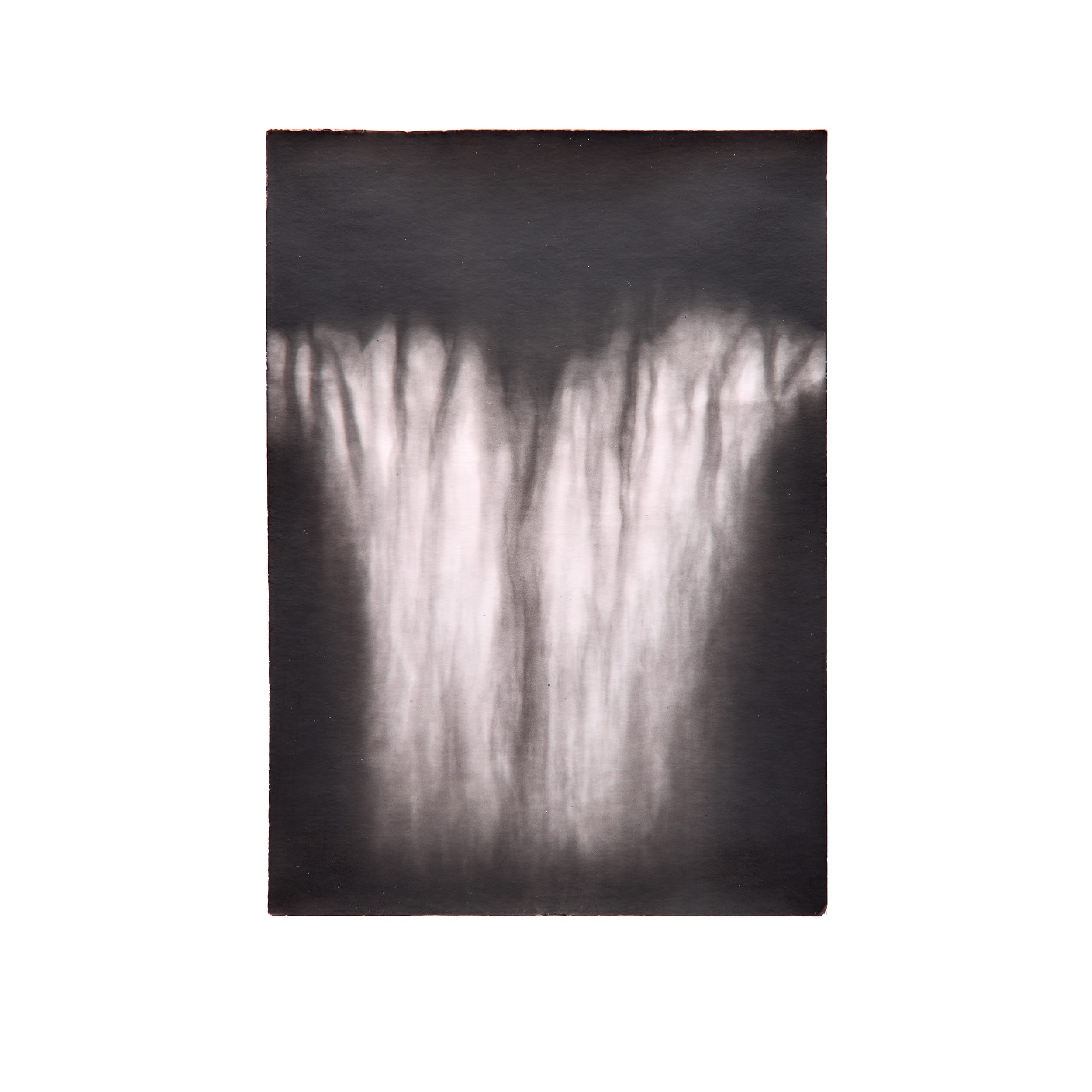
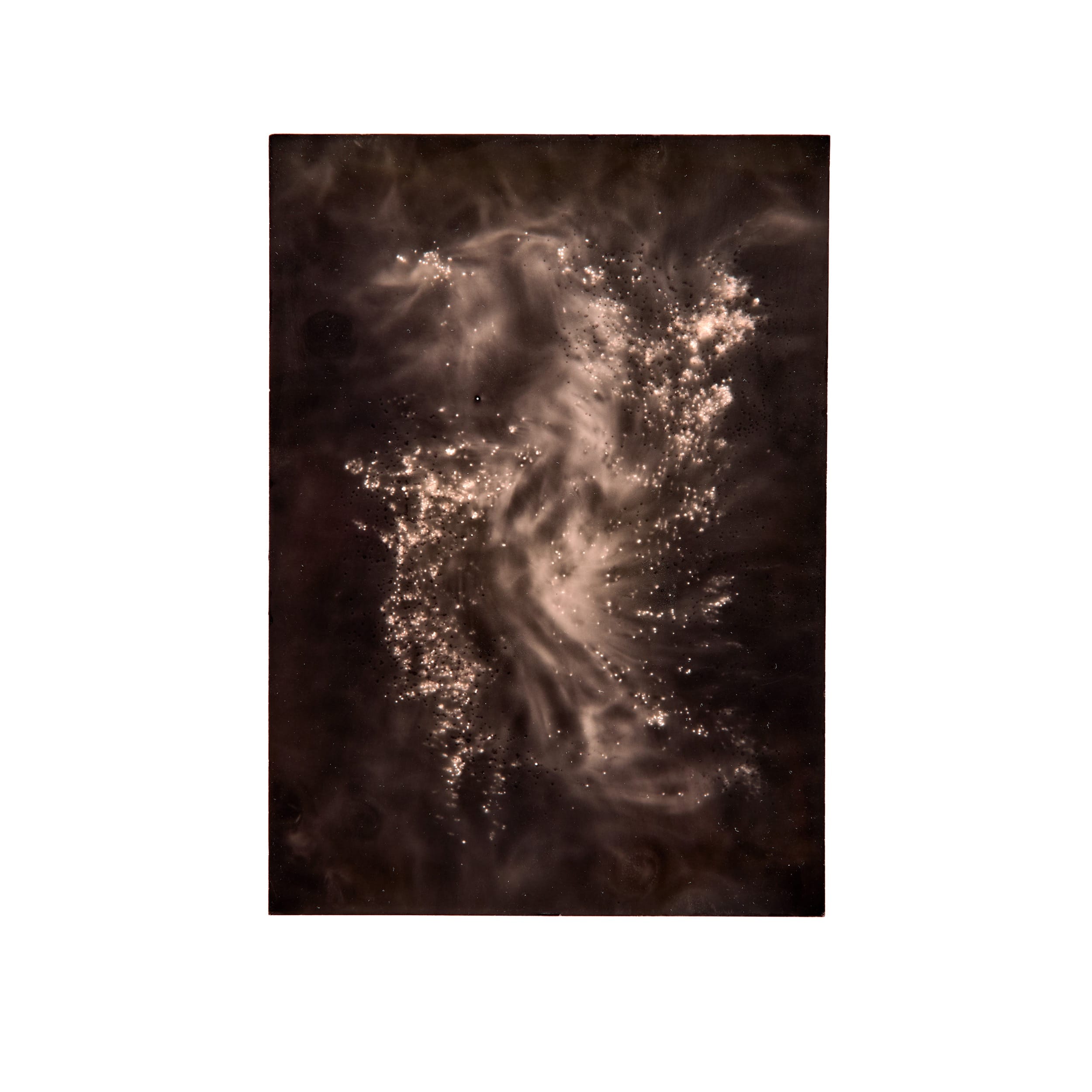
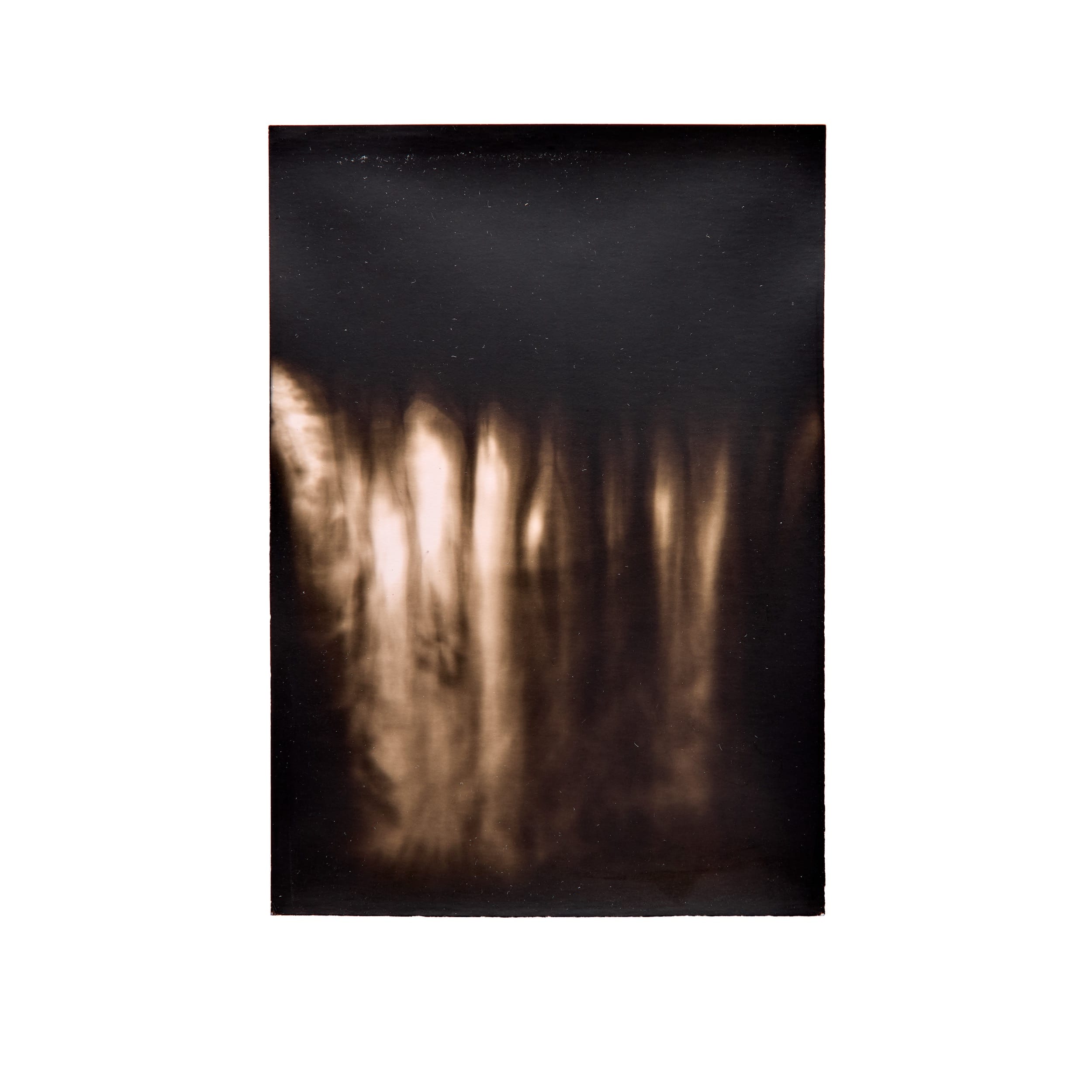
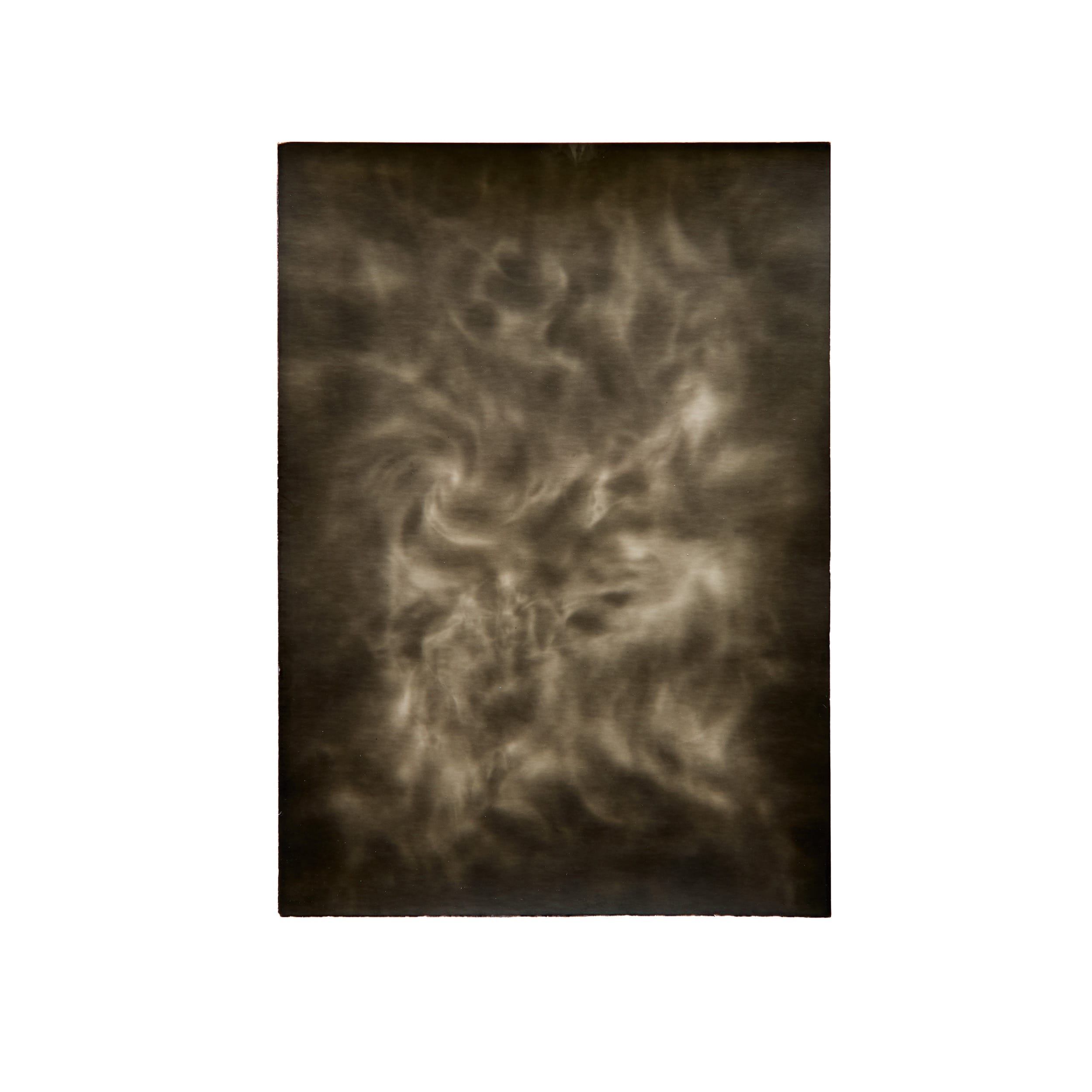
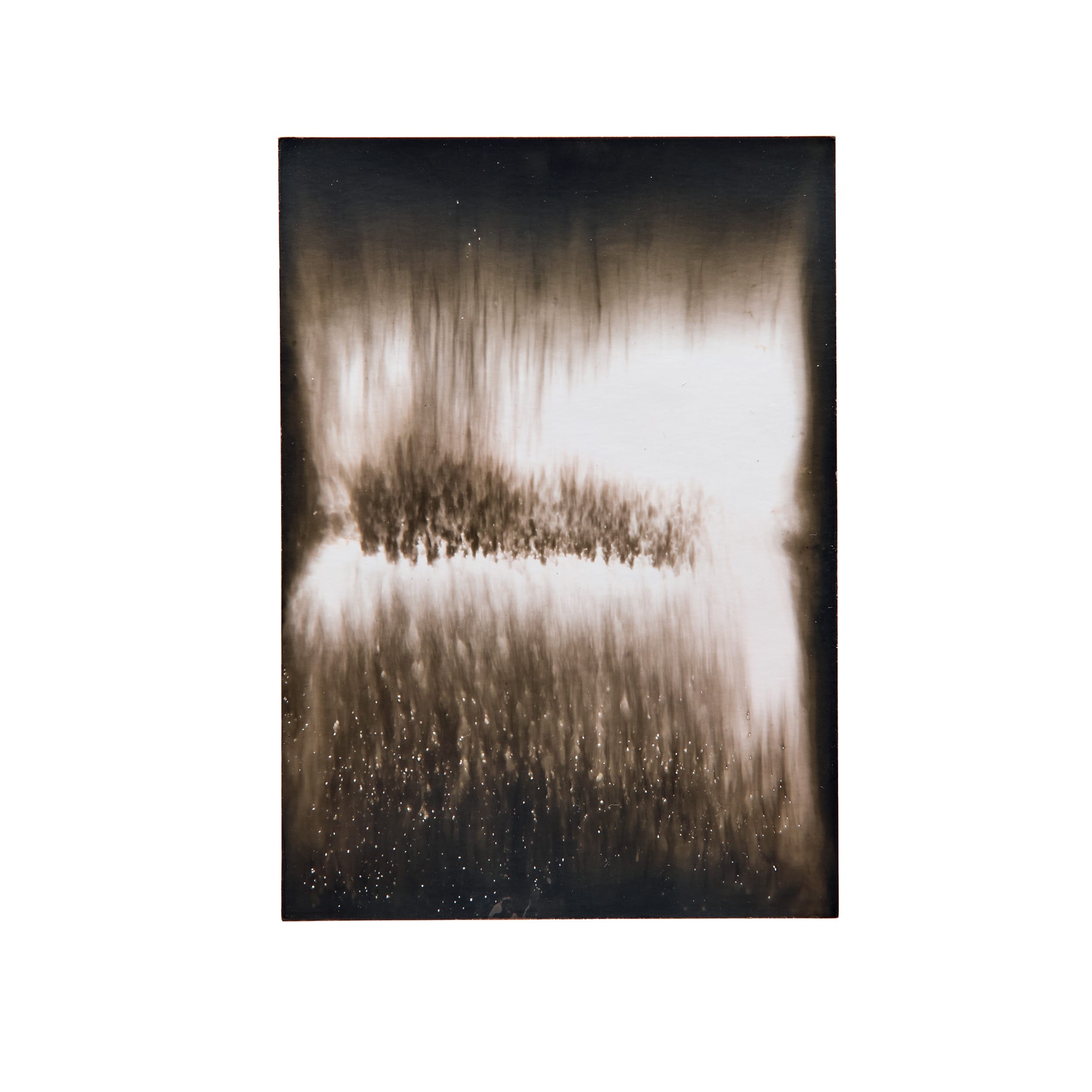
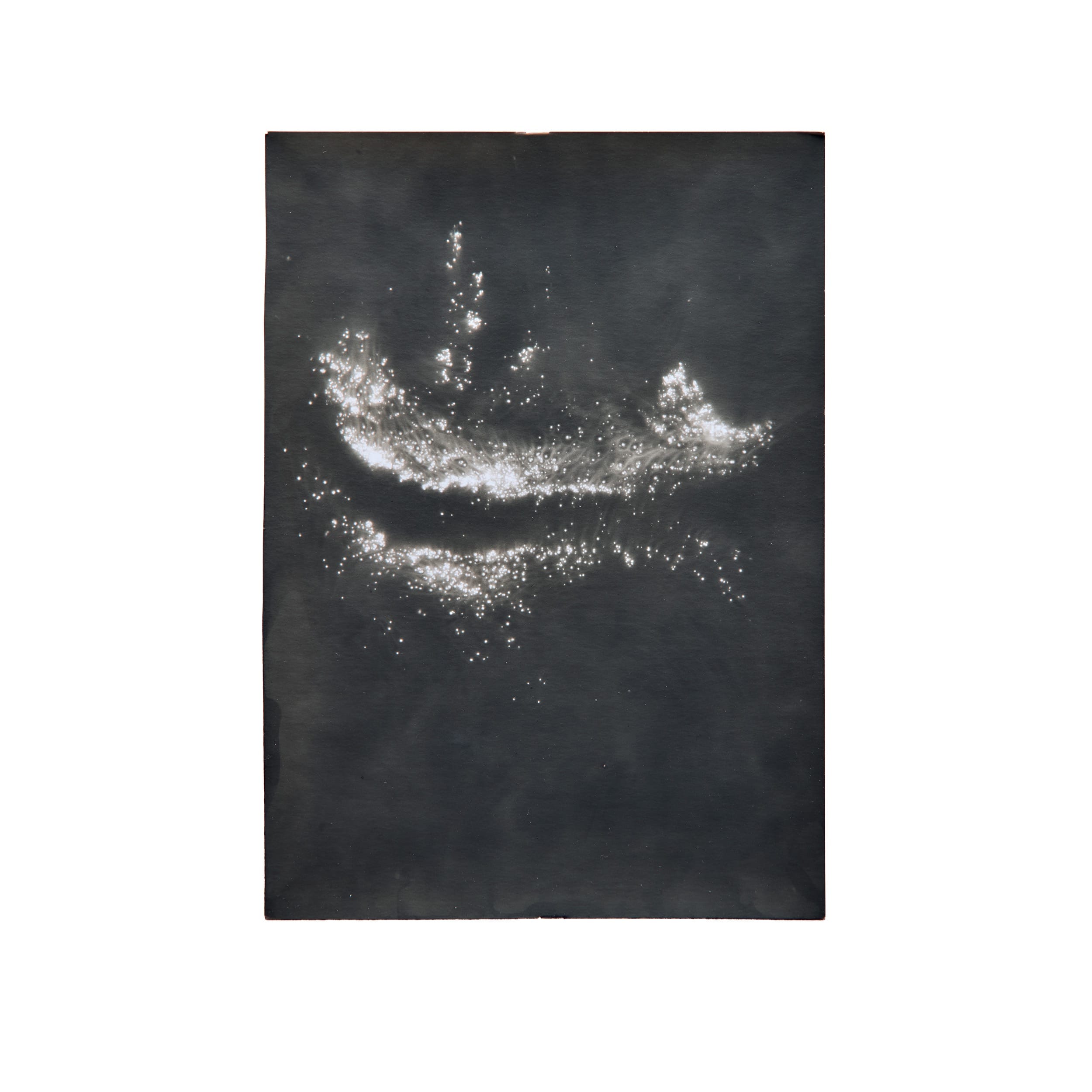
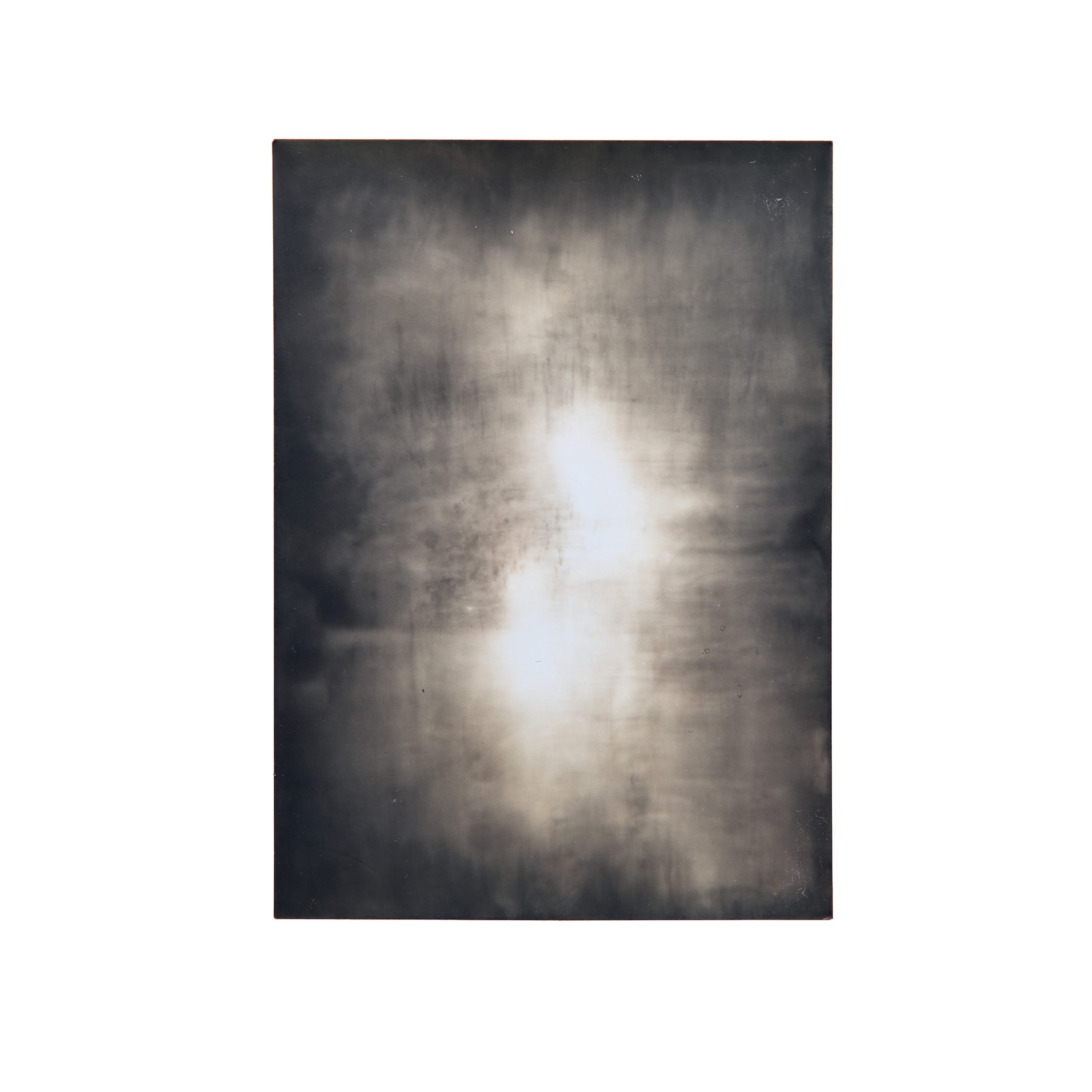
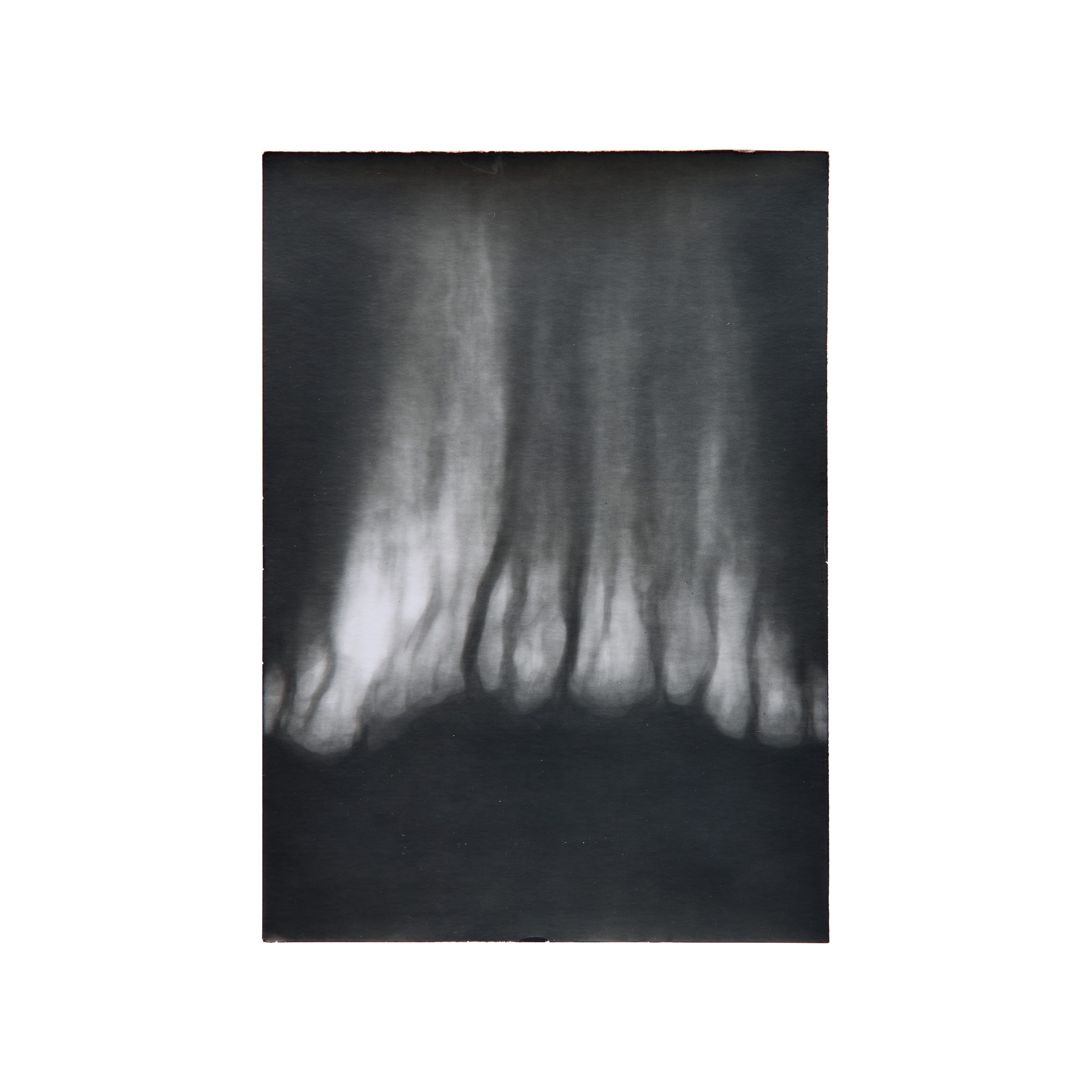
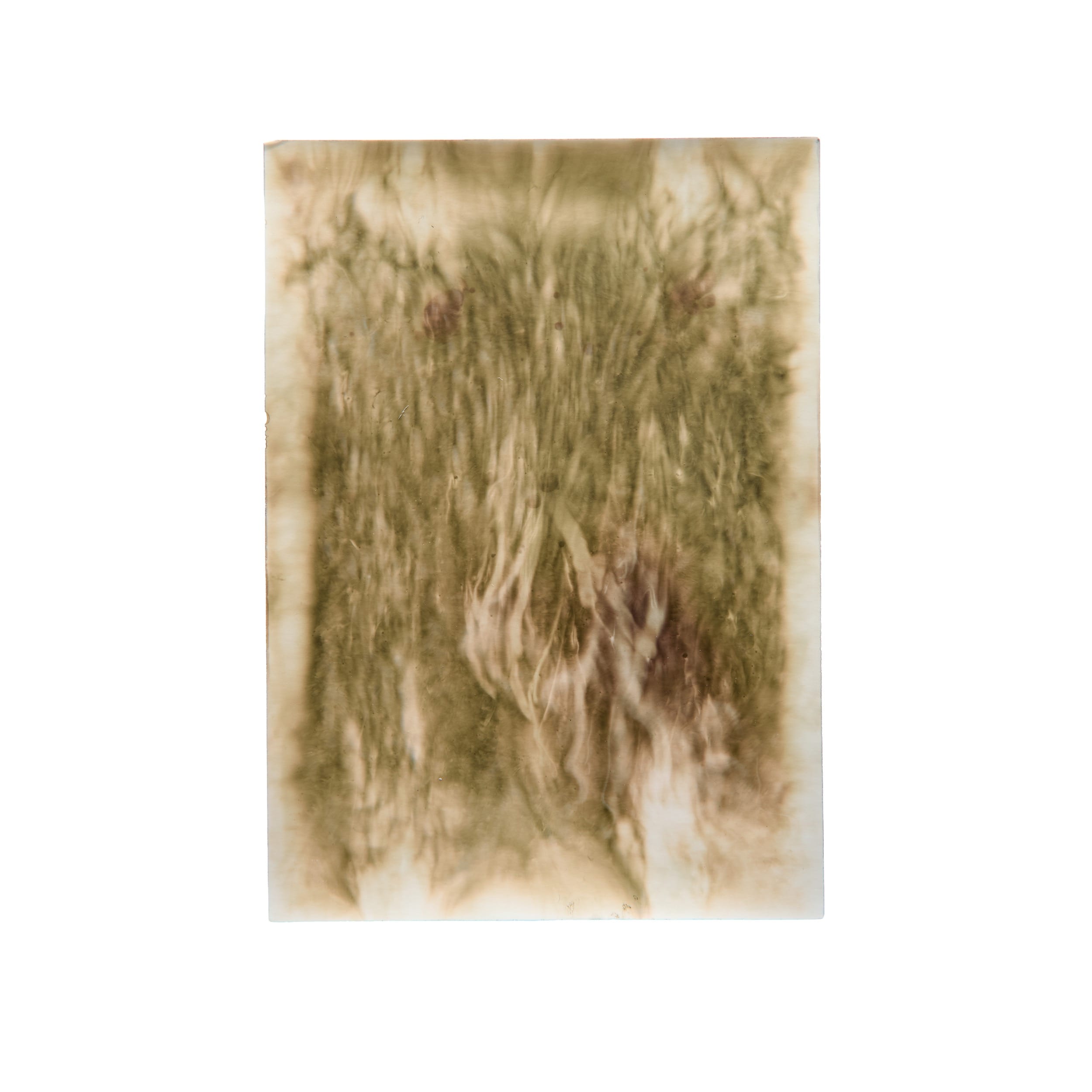
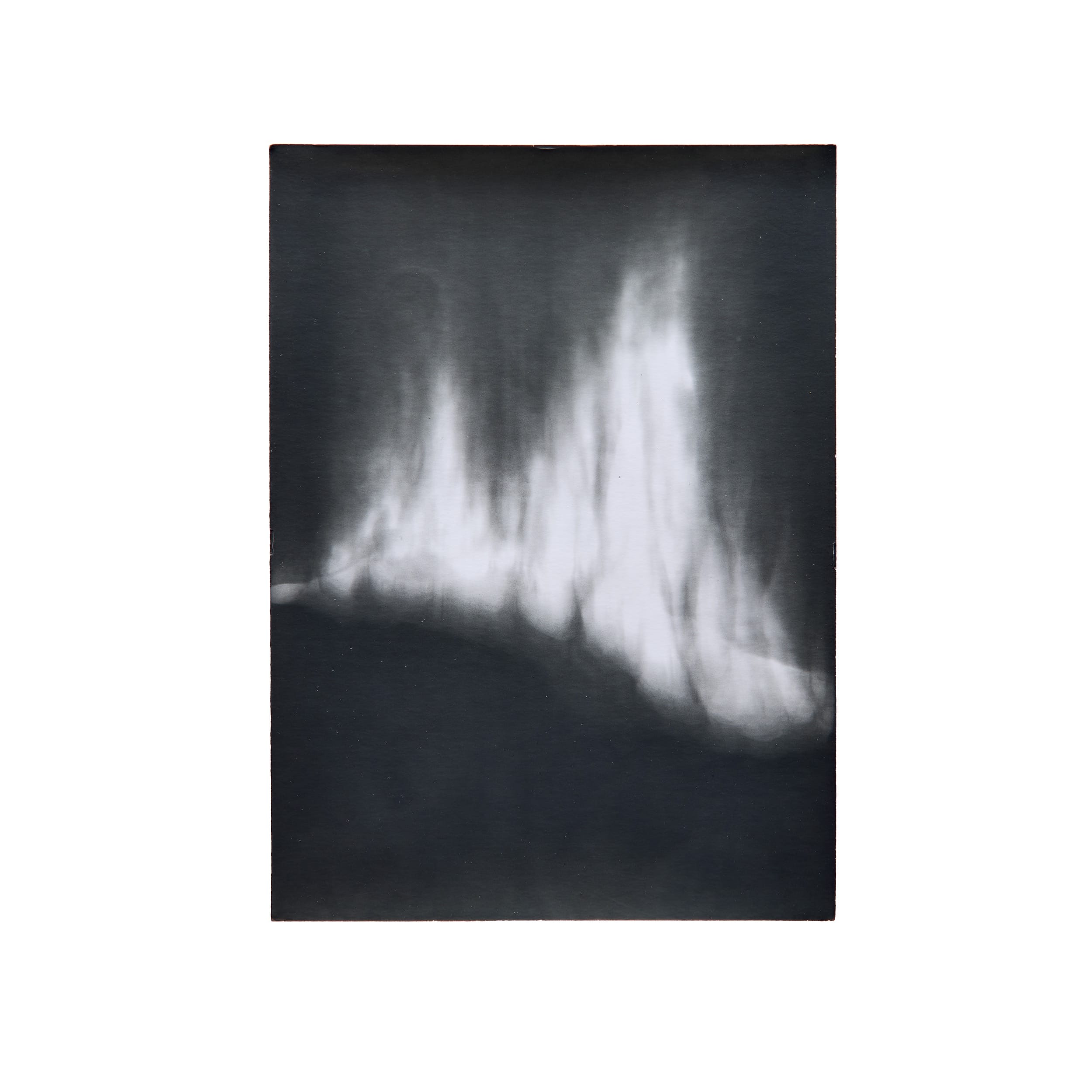
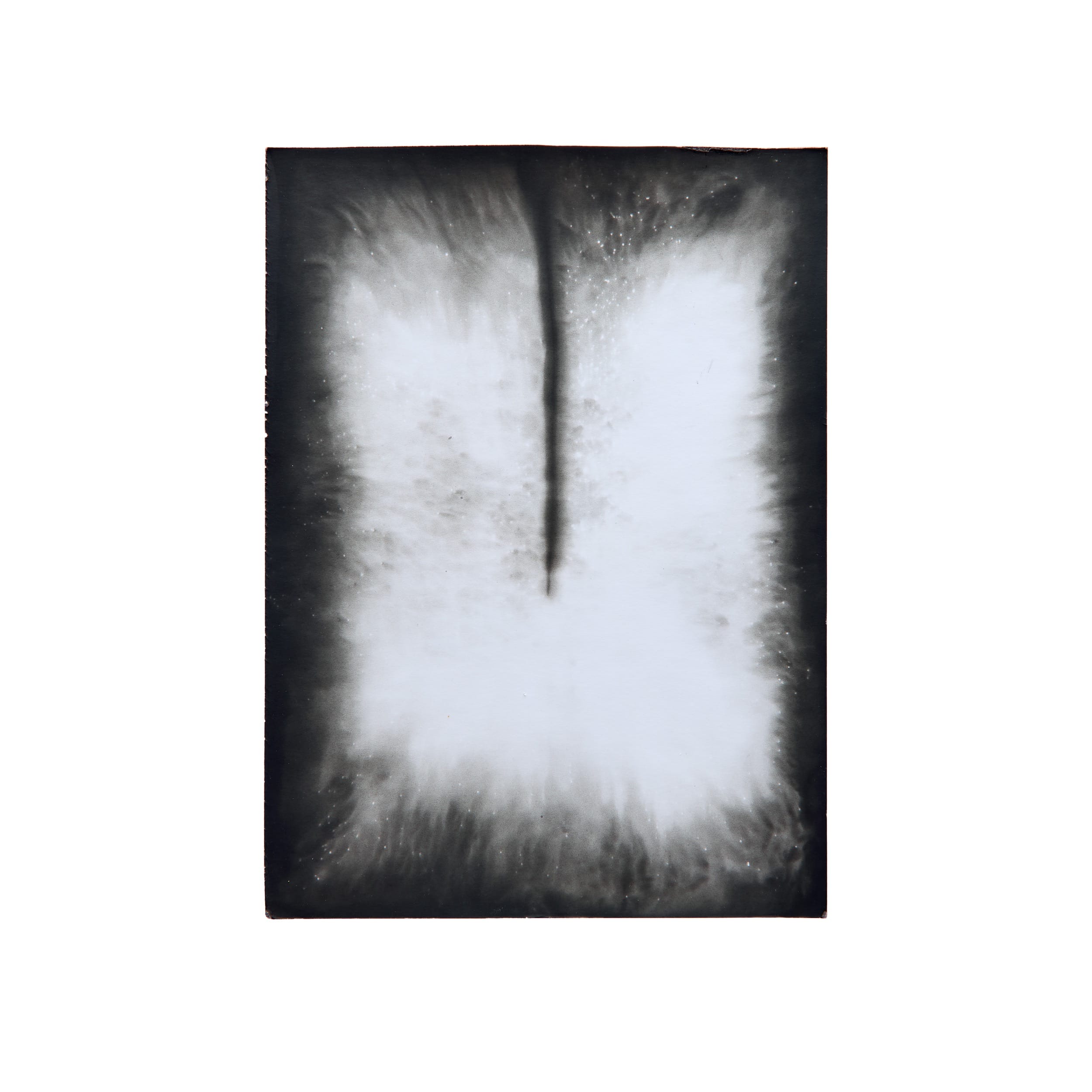
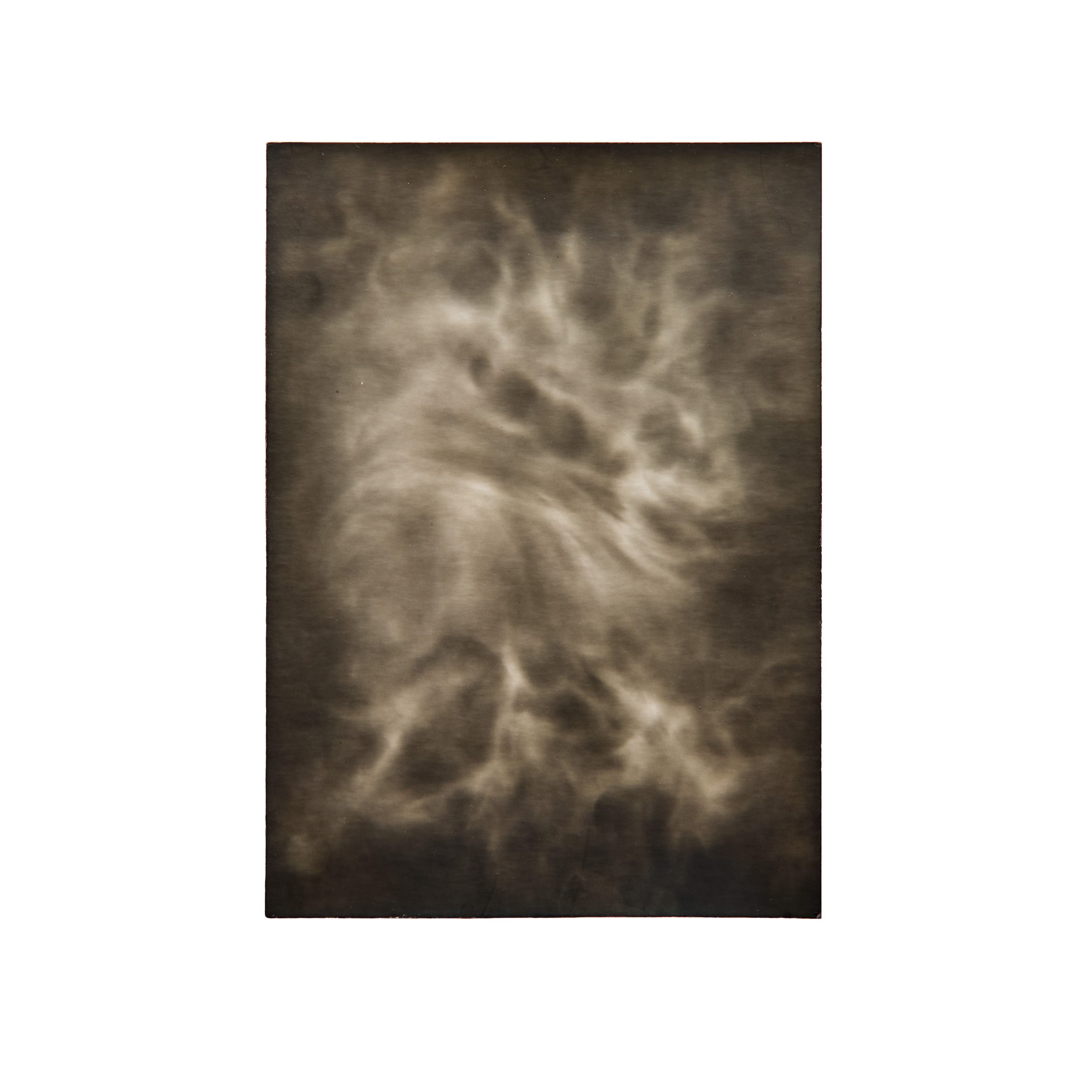
VM: This is the first time the chemigrams have been installed in a case. Previous iterations were installed in a grid formation on the wall, each image being sandwiched under a piece of glass — more like an object and less like a photograph. Their installation in a case further emphasizes this object status. While each individual image is unique, it's really in a group that they can convey the variations possible from within the assigned set of parameters. I really appreciate your perception of a sense of rhythm in the images, because in a way, many of them were created through a very rhythmical process —– rocking the chemical trays back and forth or pulling the paper in and out of the chemistry repeatedly. I like the idea of those creative gestures coming through in a kind of unconscious, unexpected way in the final display.
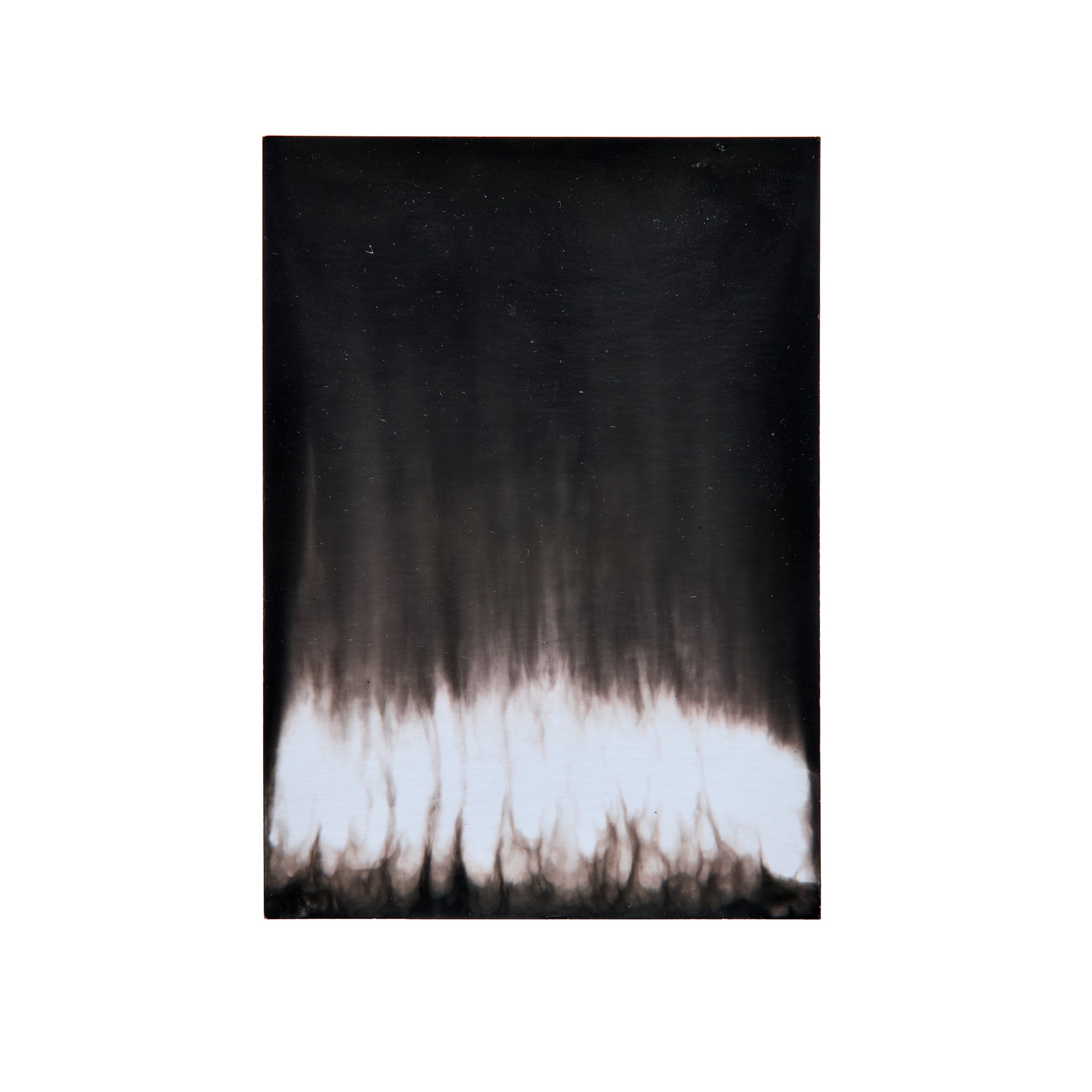
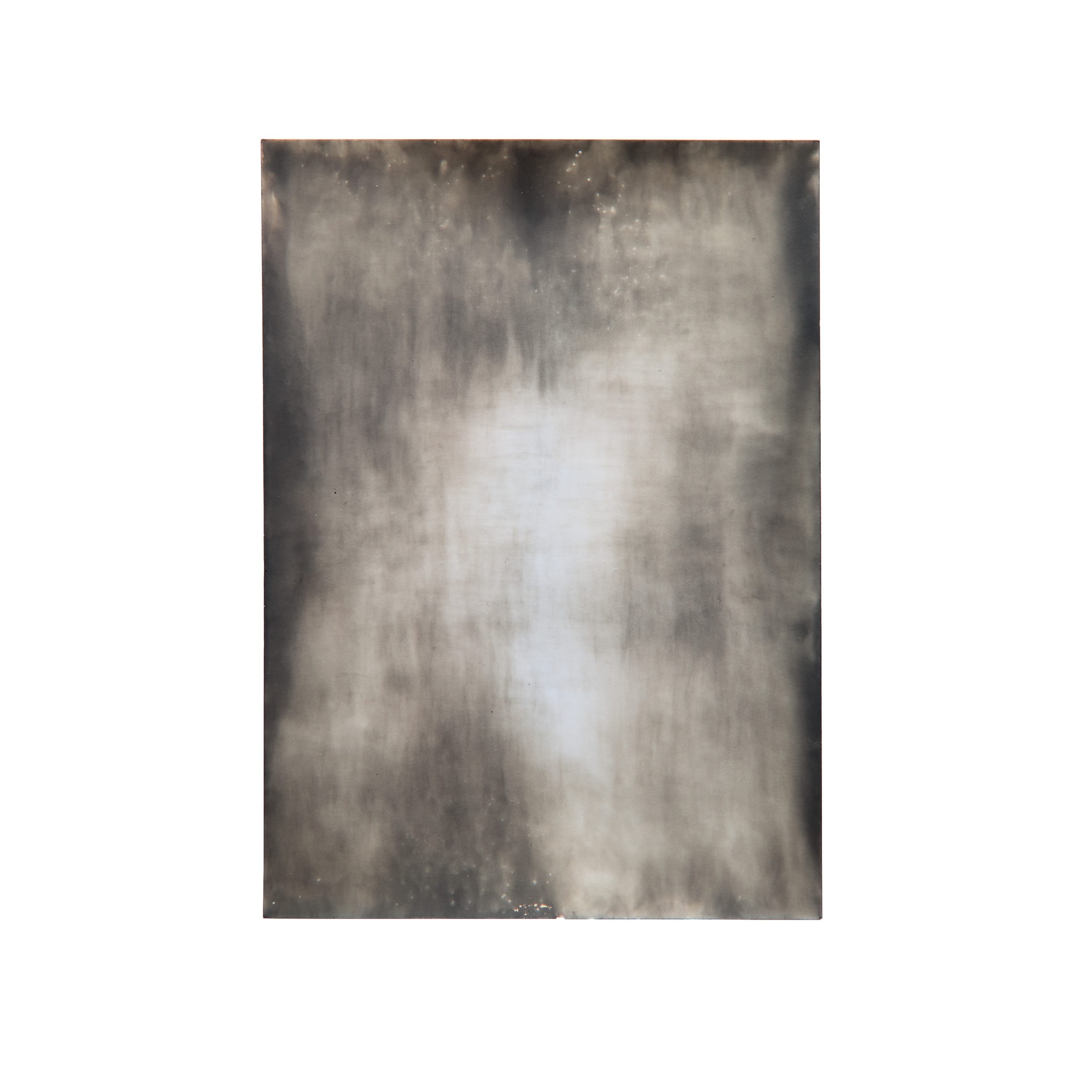
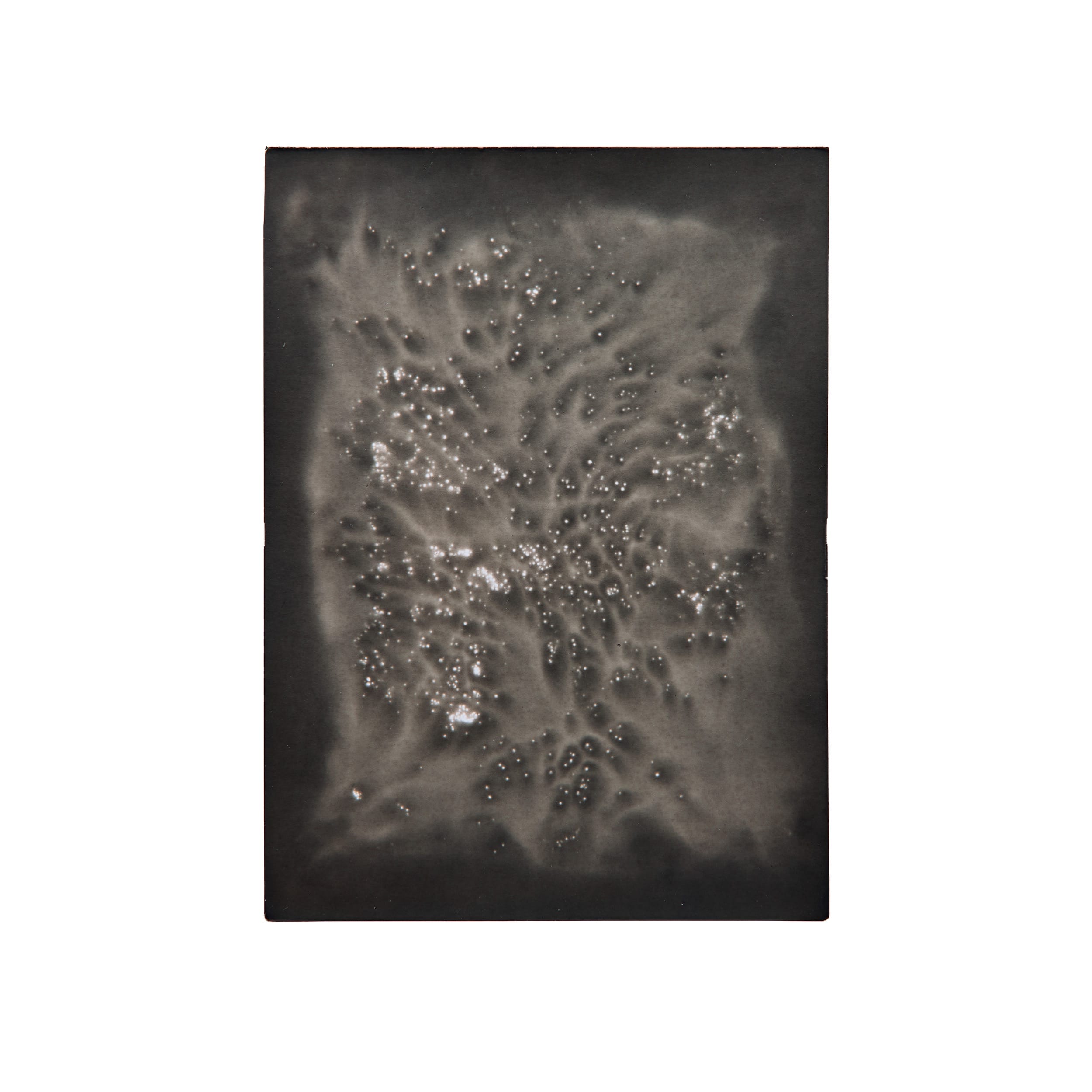

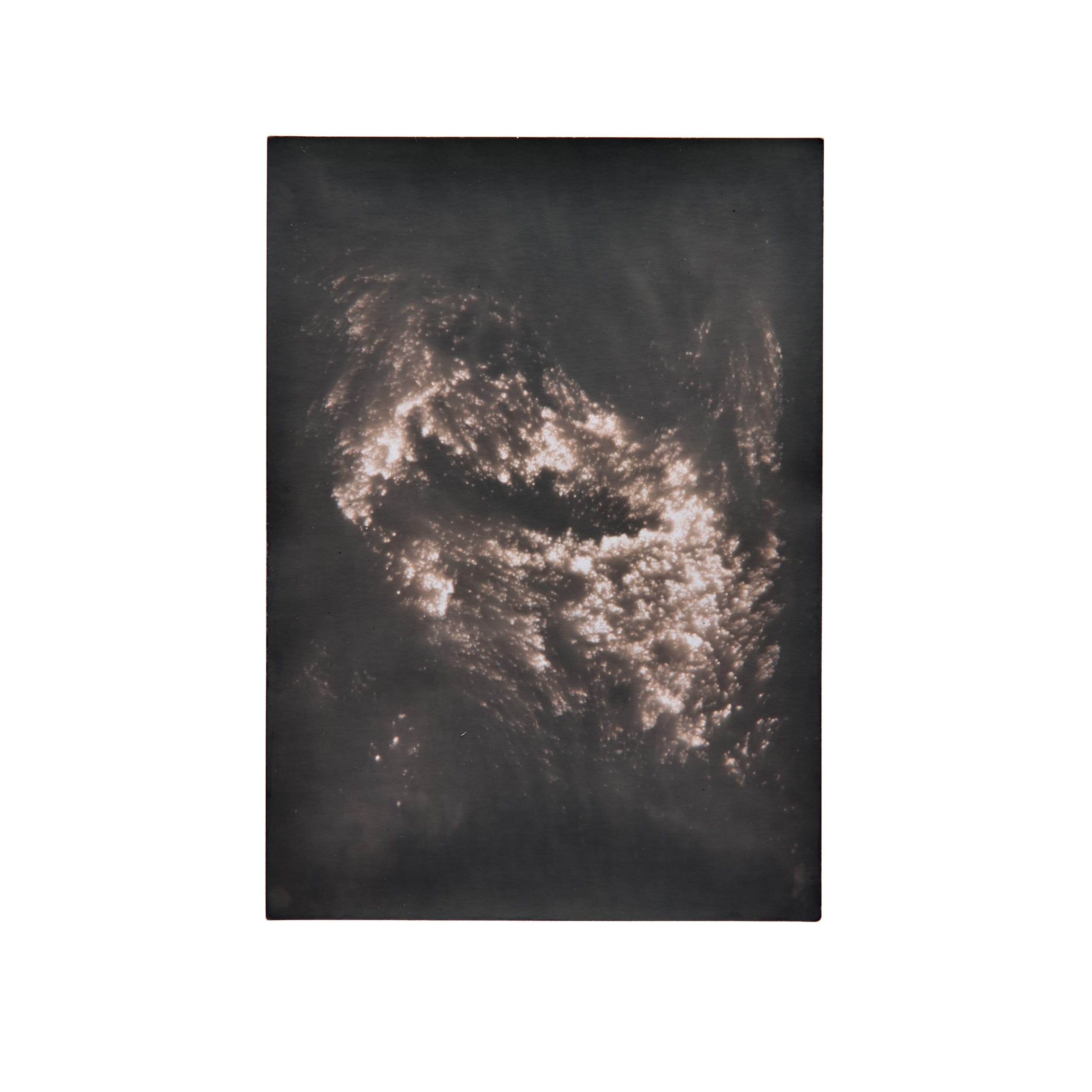
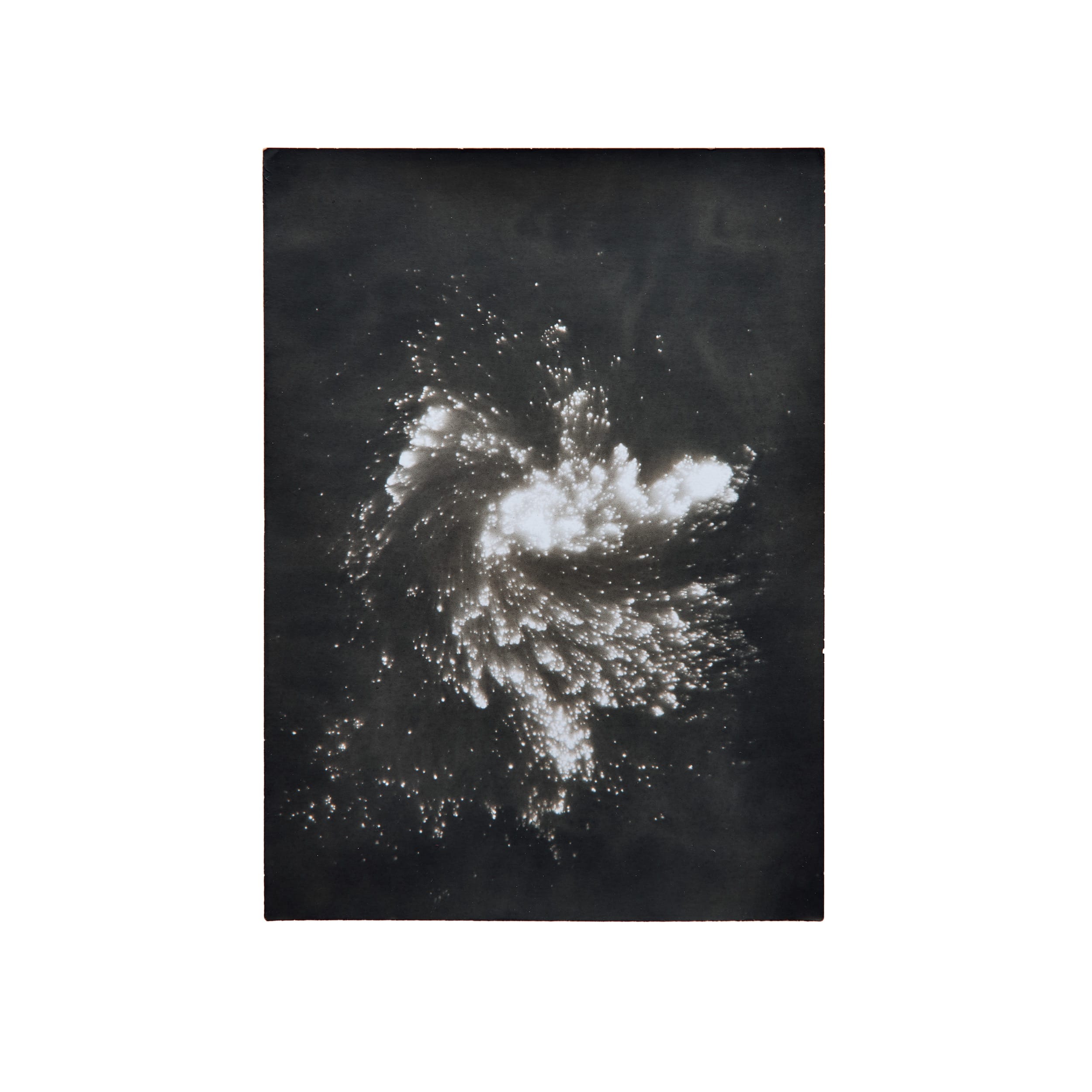
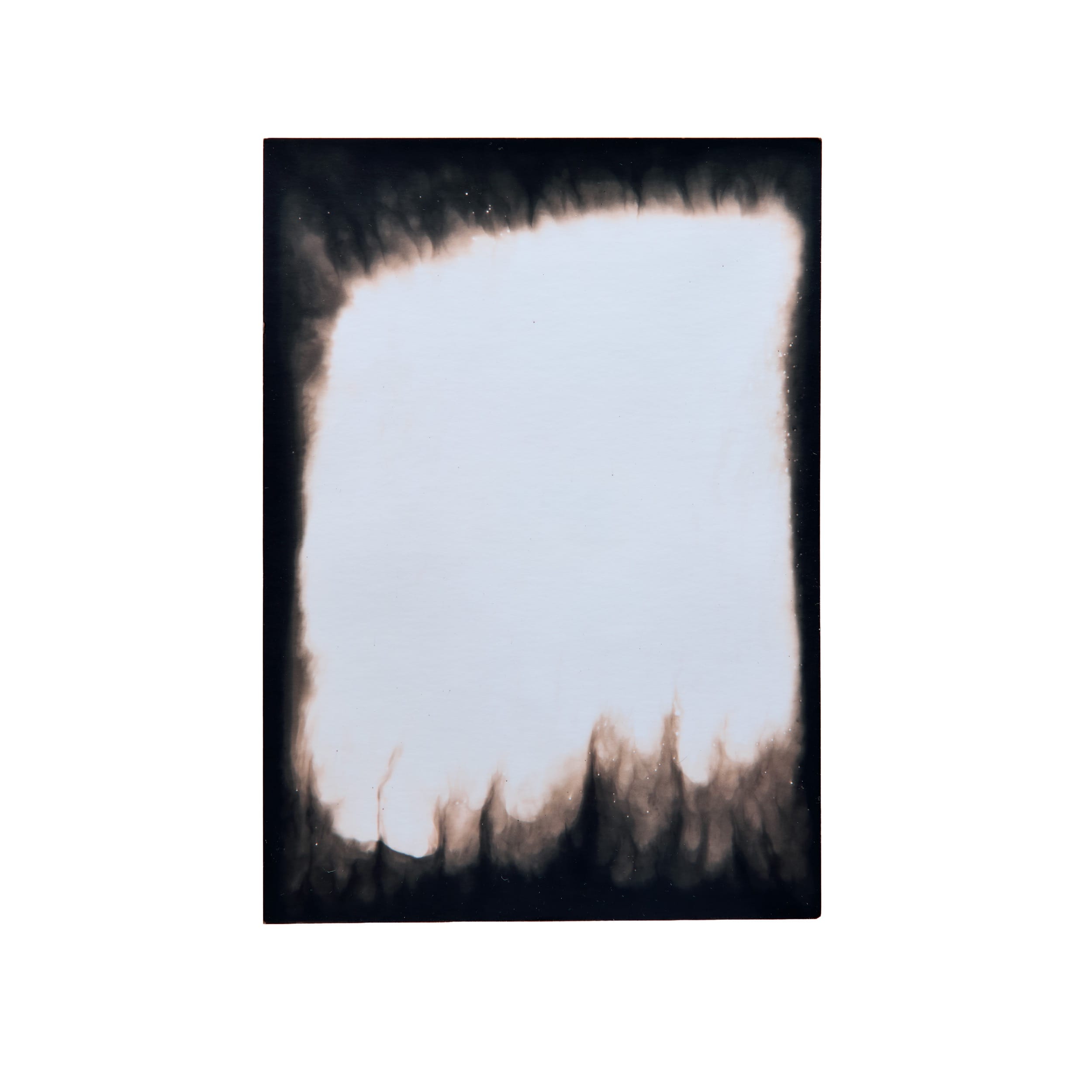
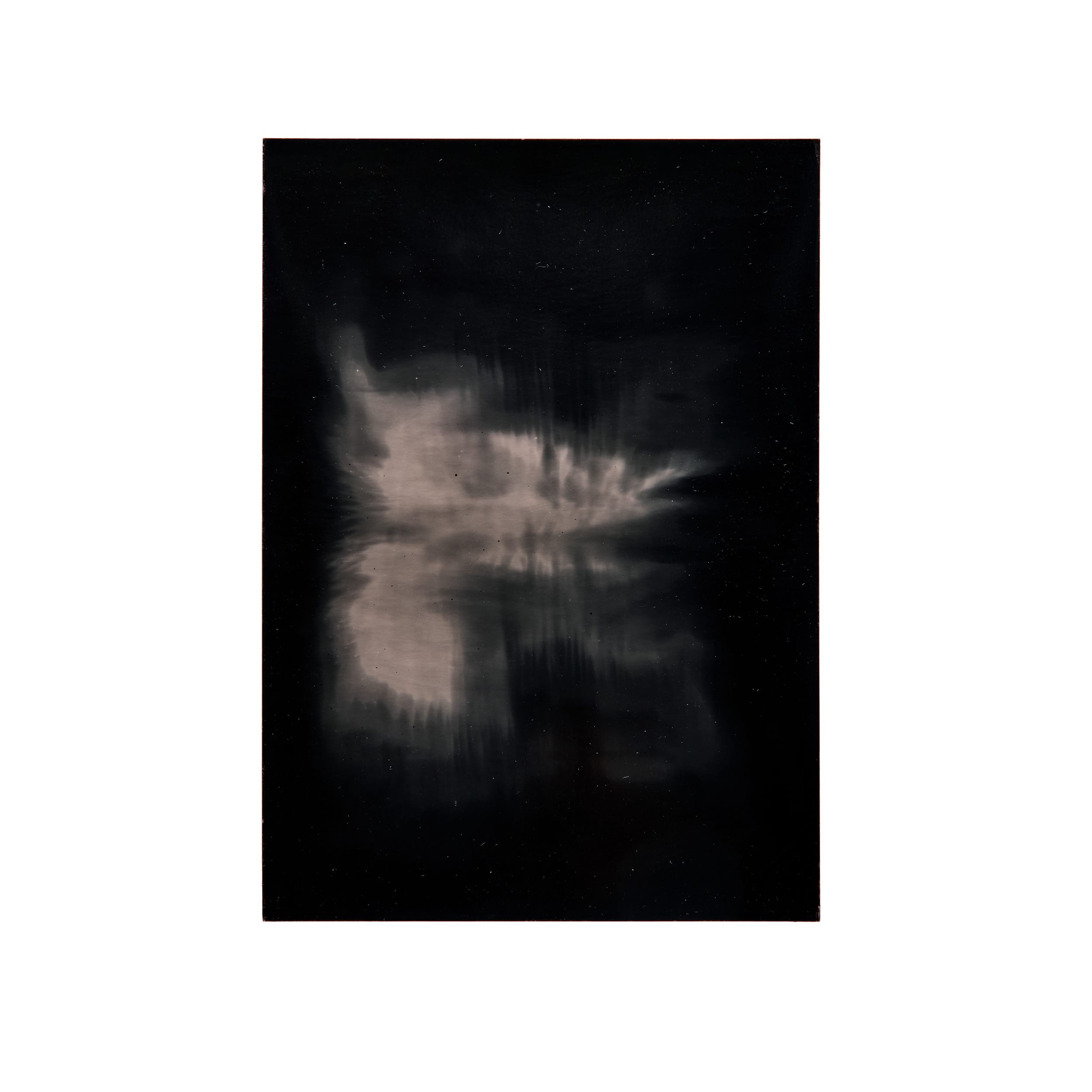
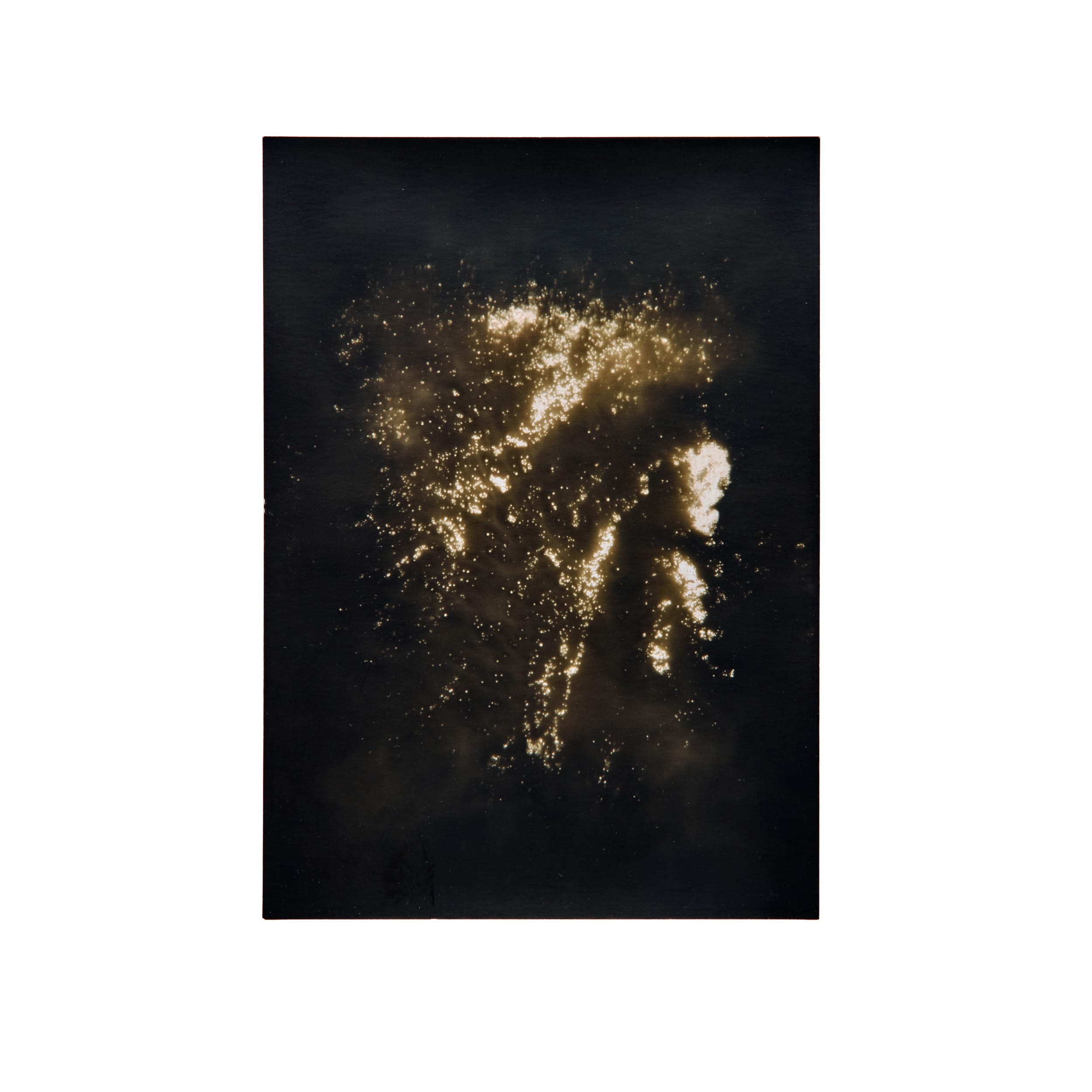
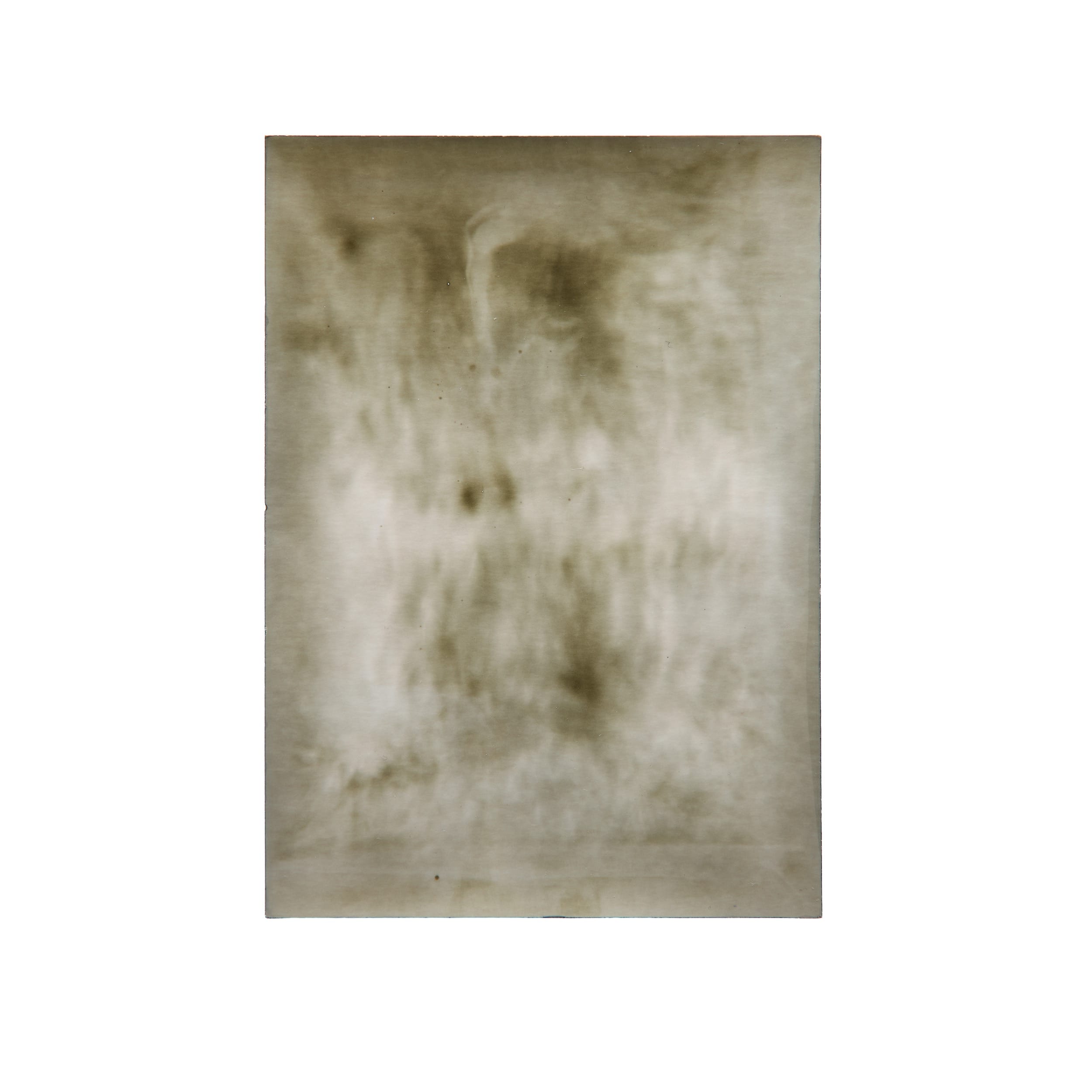

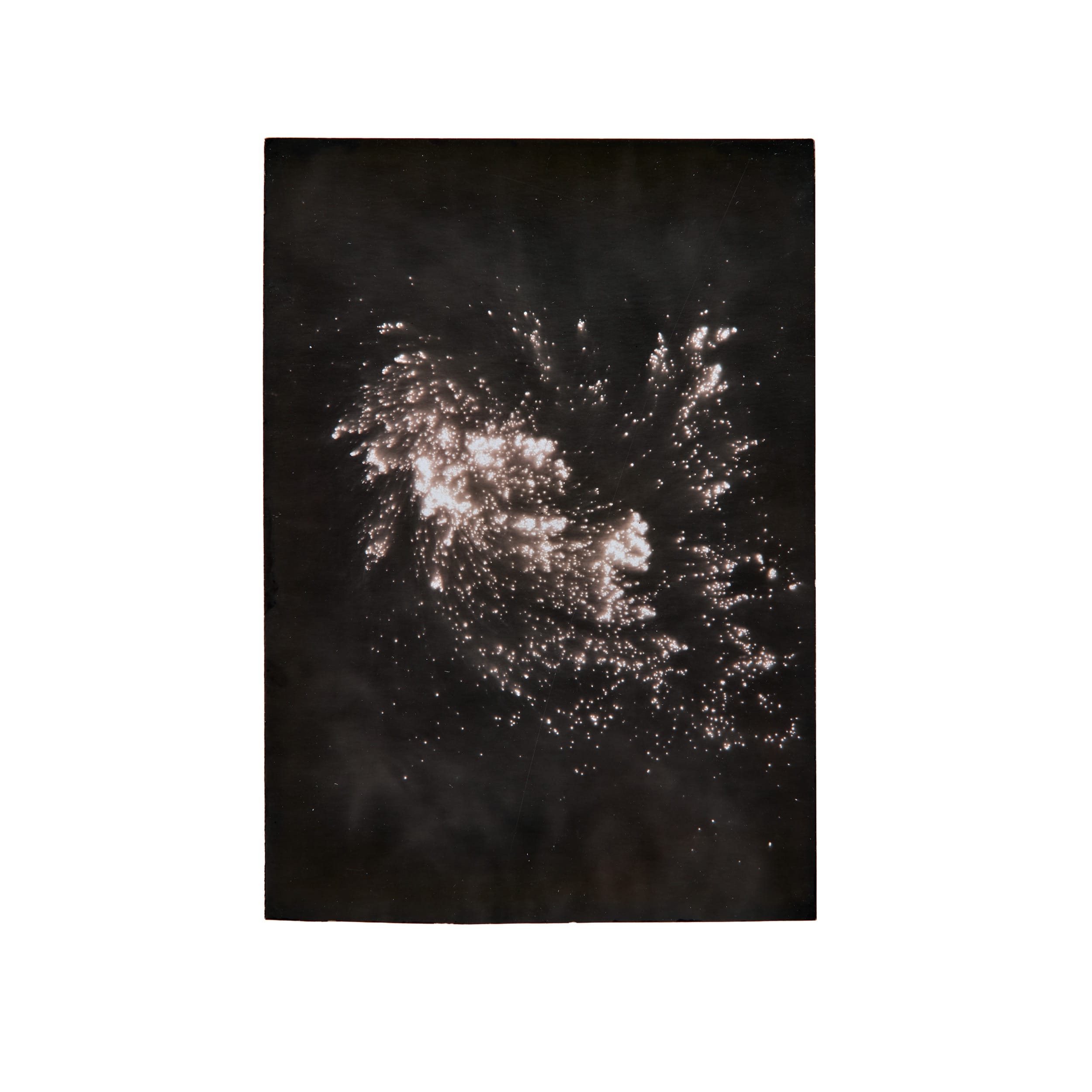
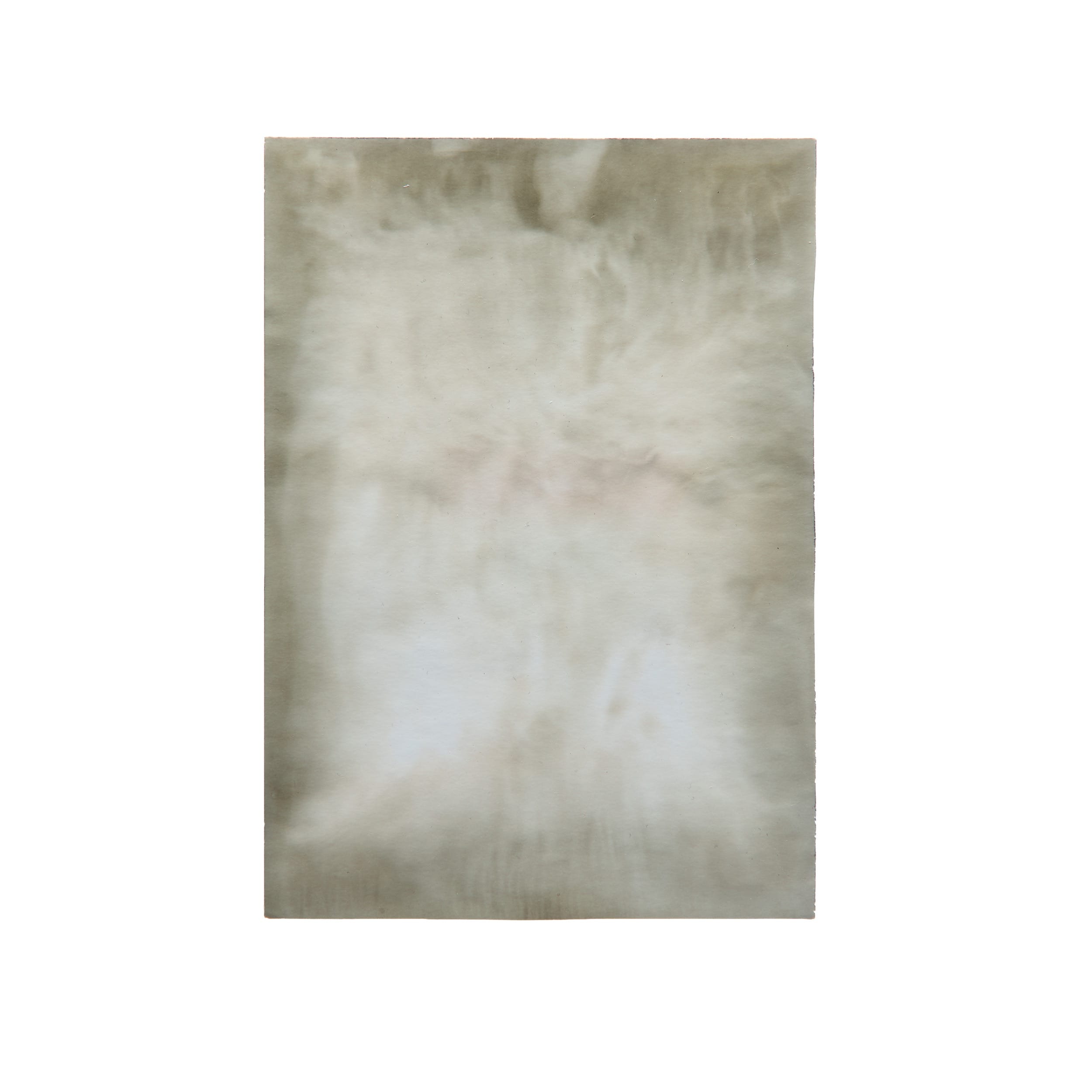

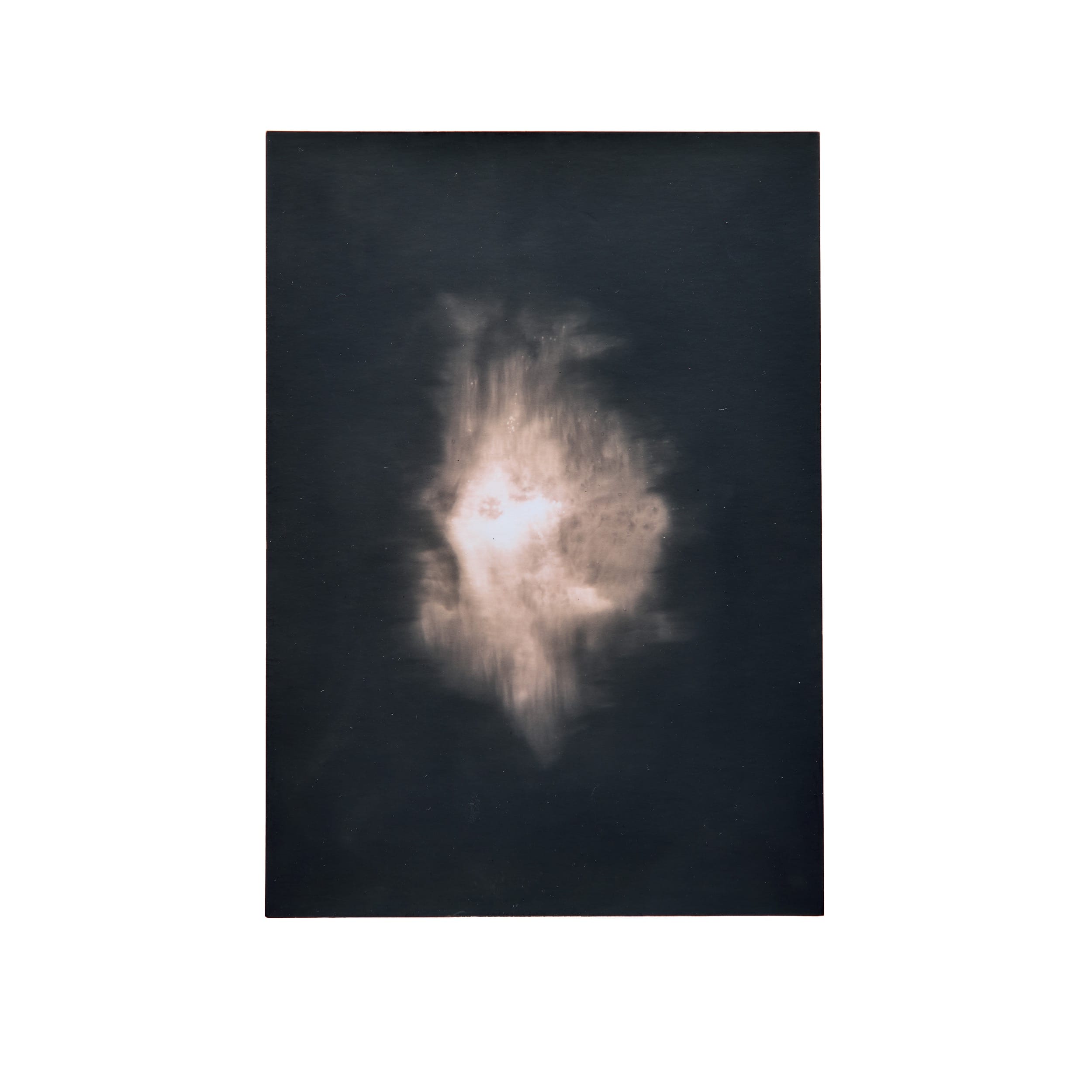
LC: With this series, In the Gaslight, you are using the chemigram process, one of the photographic techniques that you discovered through research. This is a process that does not utilize a camera. You have explained that the chemicals that you used to produce these chemigrams on photographic paper are the same as those that were used in WWI gas masks. Does your choice of using a camera-less technique for this series relate to the late 19th century phenomenon of "thought photography," in which a photographic plate is purported to register the projection of a person's emotions and thoughts?
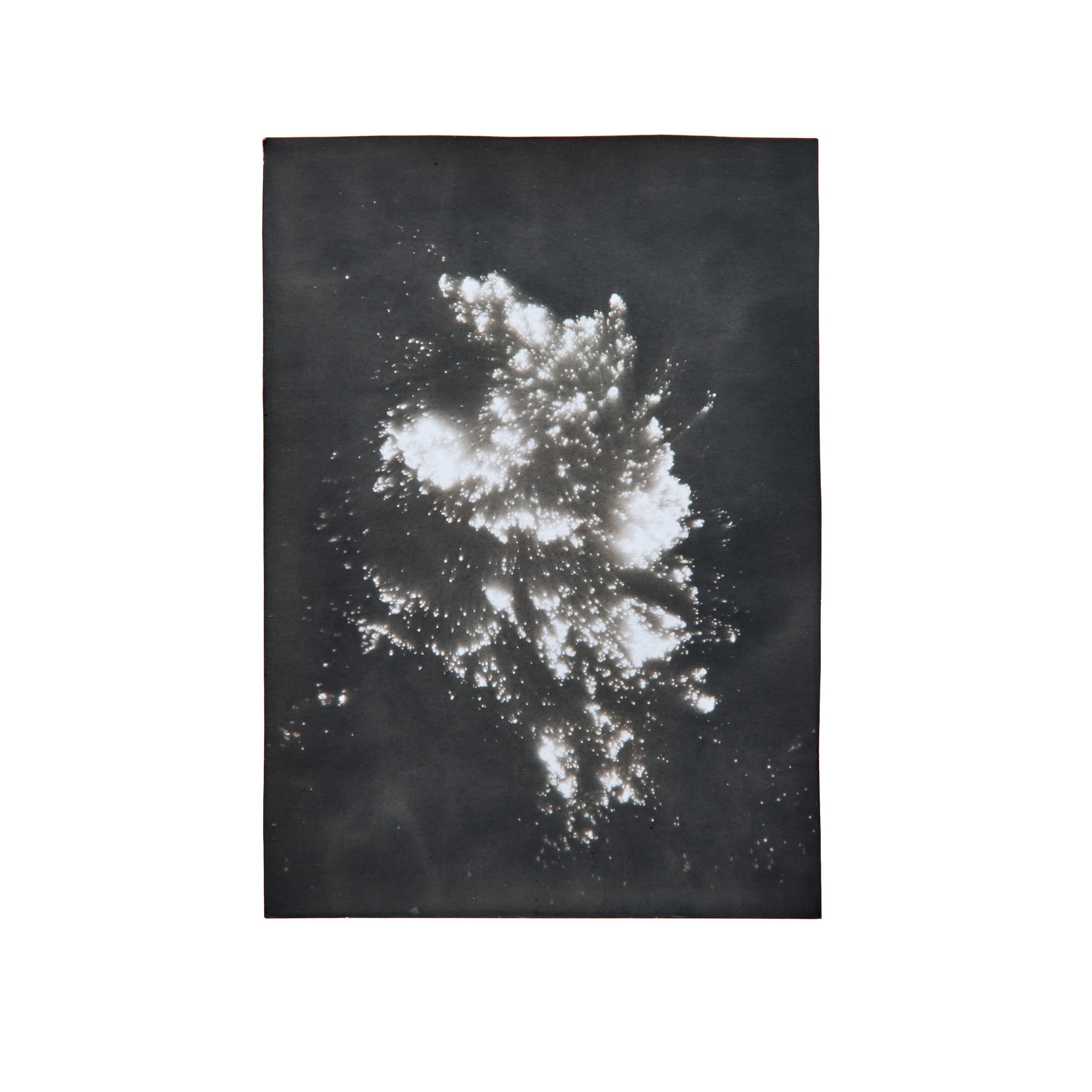
VM: What a fascinating connection and question. While not a direct source, I think there is definitely the same sense of immediacy between idea/image and medium/materials. My chemigrams seem to capture experiences of flashes of light in the darkness, vaporous clouds, swirling cosmic bodies — all transmitted directly to the paper and all of which can relate to a WWI soldier's sense of terrestrial and cosmic horror on the battlefield. Almost like what might be registered in the blink of an eye… a momentary glimpse of the unknown.