with Lucy Commoner, May 2026, for Because, now is the time of monsters
LC: You are an artist who works primarily in the medium of photography, and you were awarded a residency at the Wassaic Project in 2022. What was your experience in the residency, and did it result in new directions for your work?
MC: My residency at Wassaic Project was incredibly fruitful. I spent most of my time focusing on experimentation and research. Prior to my residency, I had been working on a series of abstractions made from images scraped from the internet and was struggling to resolve it both aesthetically and conceptually. The supportive community I found through Wassaic allowed me to talk through ideas and opened me up to a new group of artistic influences. The support I gained here helped me make sense of what I was trying to do. Not only was I able to make substantial progress with that work, but I found myself revisiting older projects with fresh eyes and new ideas.
LC: Your photographic works include a range of series, including totally abstract compositions in highly saturated colors, black and white photographs of technical machinery, and the Dwelling series of domestic interiors in this exhibition. Your serial works are tied together through their use and manipulation of pre-existing photographic material. What draws you to the practice of searching out archival images and altering them to create your unique works?
MC: I began working with pre-existing images when I was a graduate student at the University of Texas at Austin. During the summer between my first and second year of school, I accidentally broke my view camera, the tool that I had been working with for nearly a decade. I couldn't afford to replace or repair the camera, so I needed to find a way to make pictures without one. That's when I started working with archival images.
Once I began working with pre-existing imagery, I realized my love of photography wasn't tethered to the literal act of photographing, but rather the pleasure I found in closely examining images. I was fascinated with how the meaning or function of a picture isn't always visible but often found beneath its surface. Working with archival images is a way for me to find meaning or understanding in a world that has been so defined heavily by pictures.
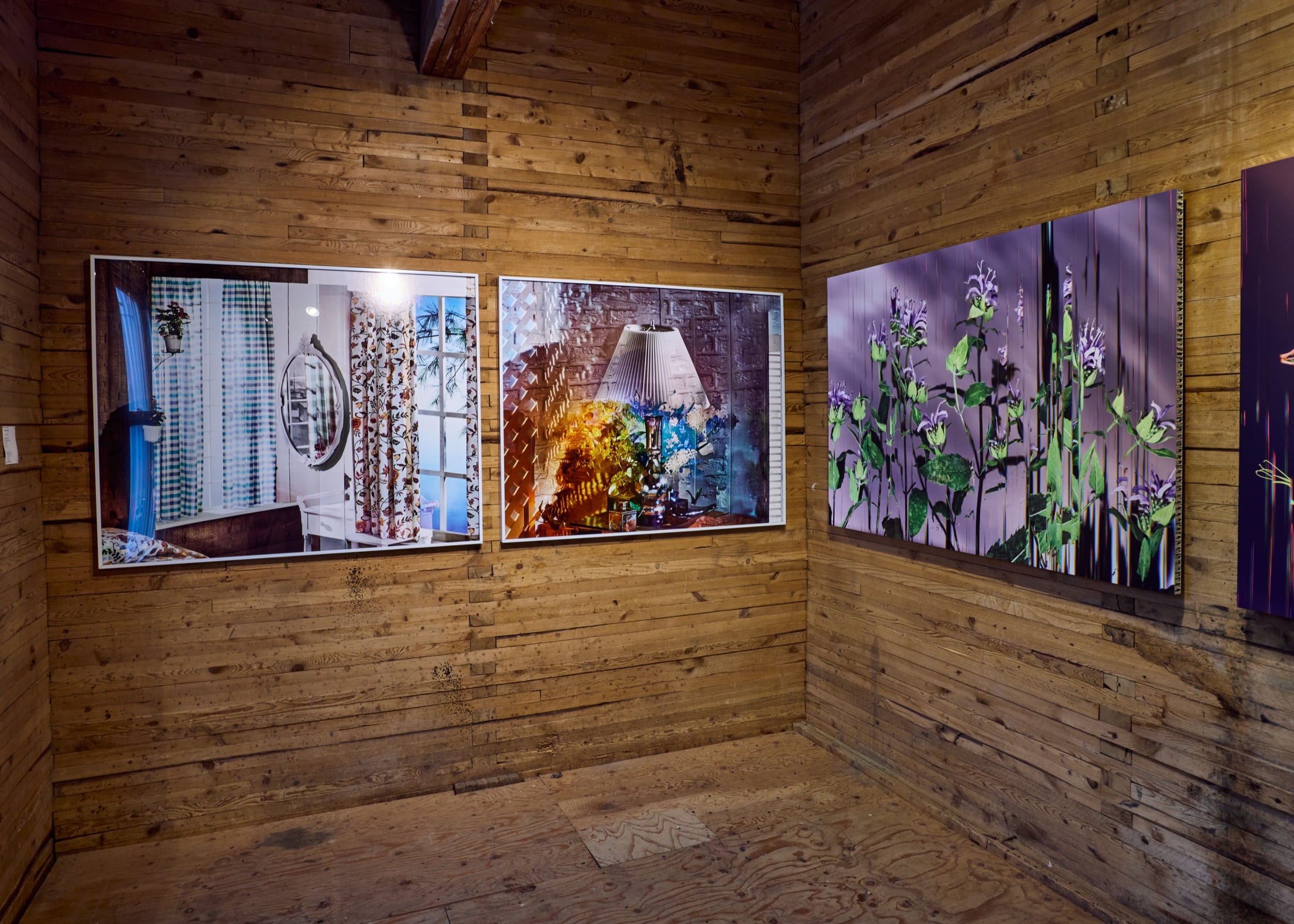
LC: Your artwork has been widely exhibited in both galleries and museums. Here at the Wassaic Project's historic Maxon Mills building, your photographs are installed against the Mill's original wood walls in one of the smaller gallery spaces. This creates an intimate and domestic setting for your work, very different from the "white cube" setting of many galleries. How do you find that the Dwelling series interacts with the Mill interior, and does it enhance any aspect of the work?
MC: I think the Dwelling pictures work particularly well in the space. There are architectural details of the mill which are echoed within the spaces depicted in the prints. It's something totally unique that could only happen in a building like this.
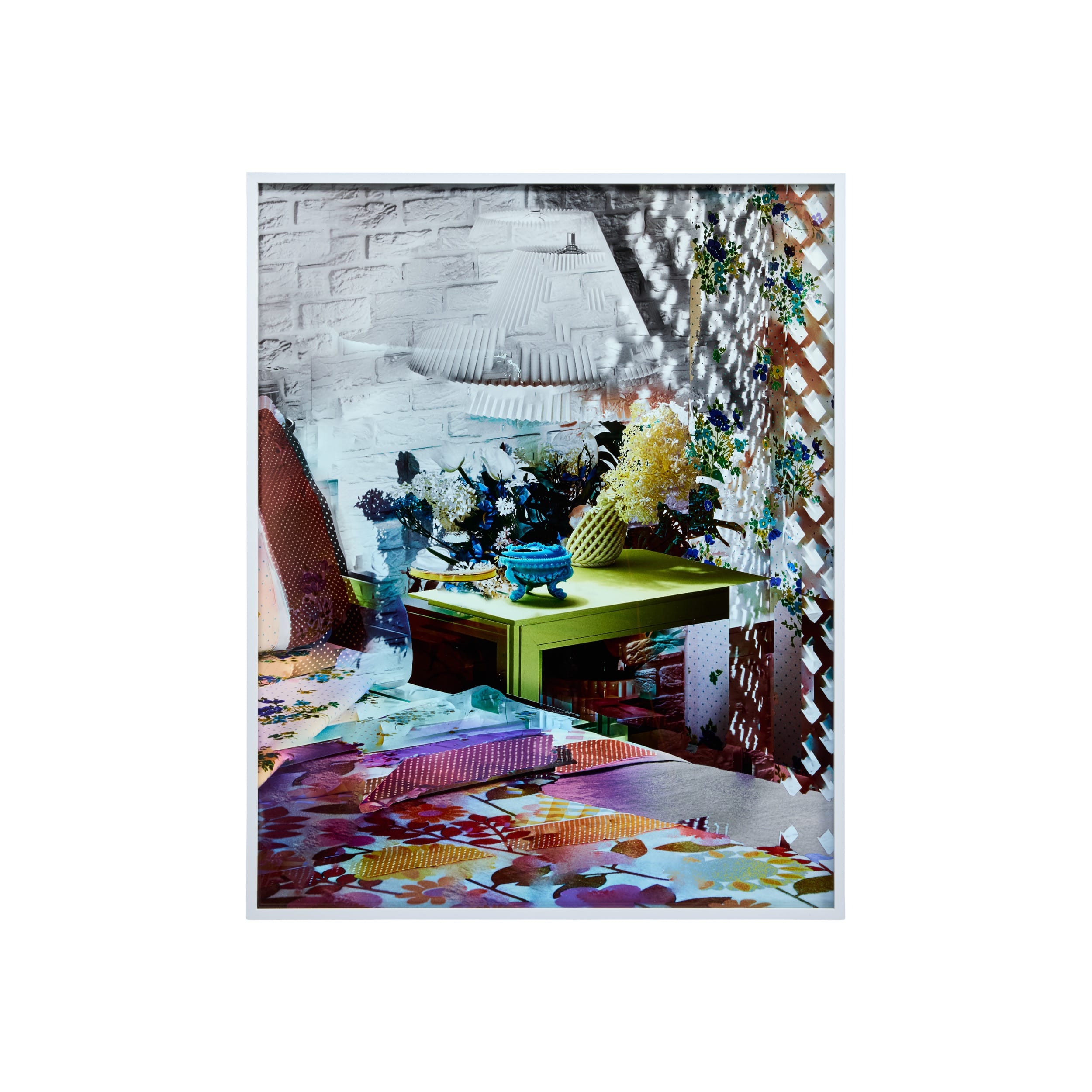
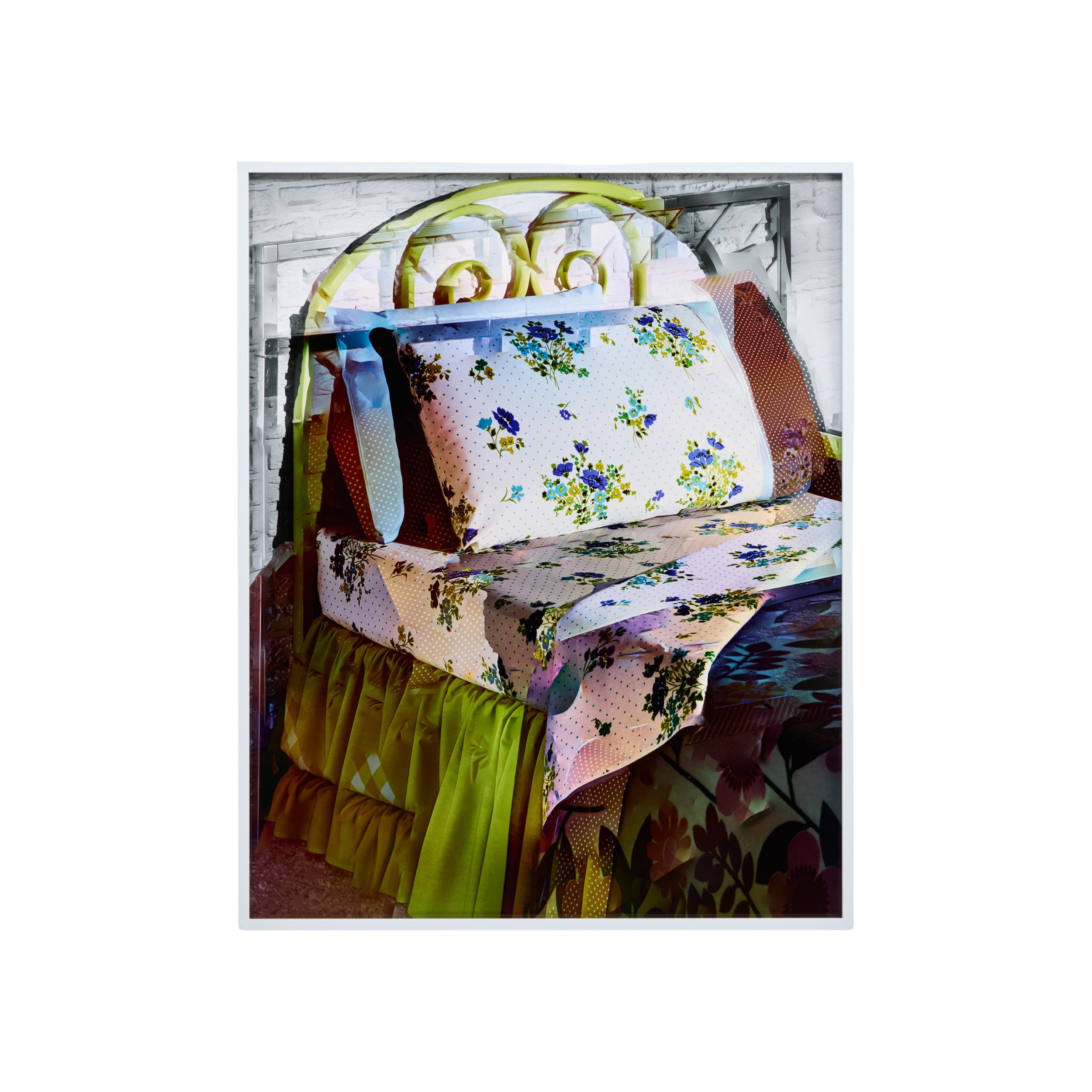
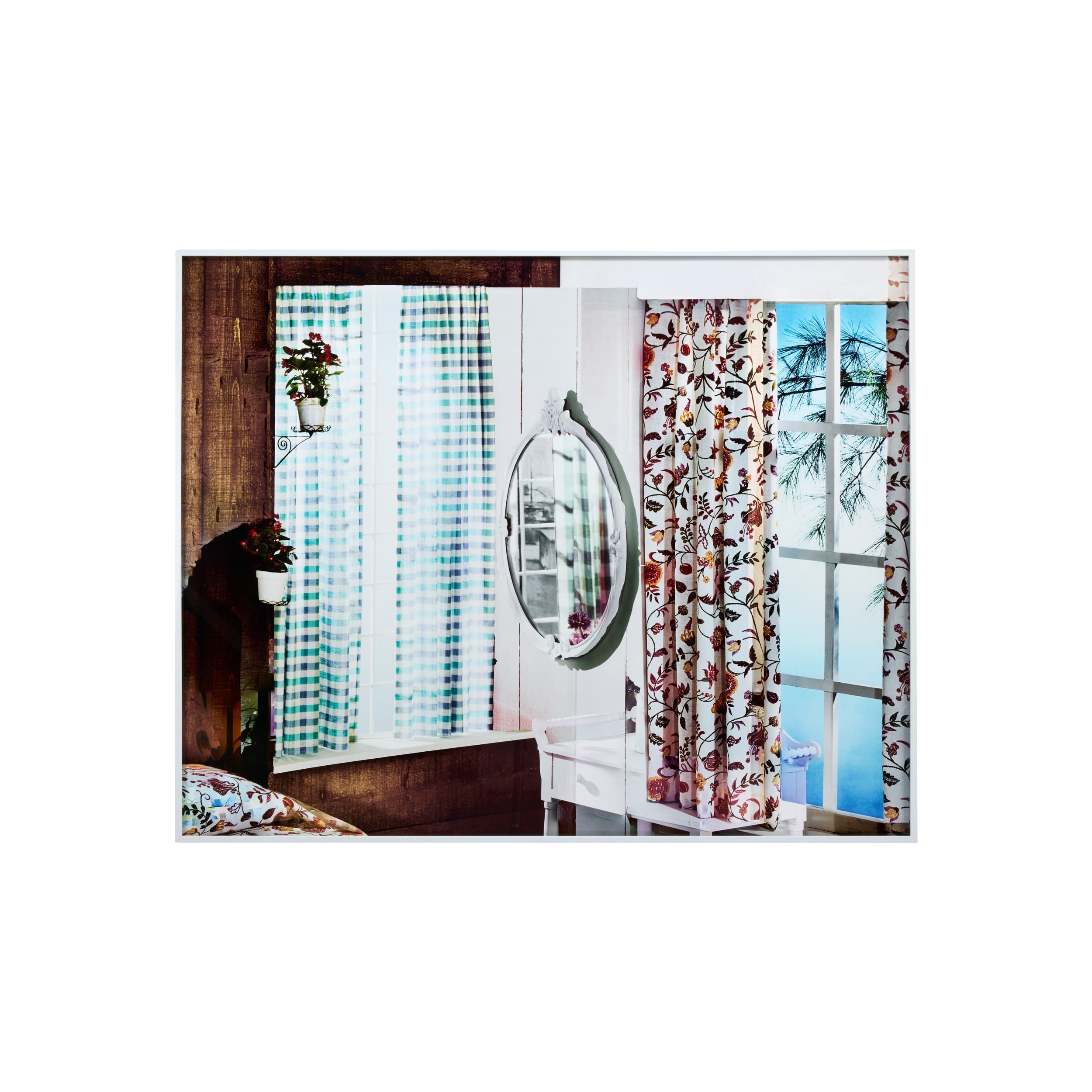
Typically, I exhibit these pieces at a larger scale than what's on view in the mill because I want the work to function "sculpturally." Viewers need to be conscious of their body in relation to the work and move themselves around a piece to fully experience it. When I saw this installation, I realized that something similar was happening but for a different reason. Instead of being moved around the work due to scale, I was moving through the space because of the mill's architecture. The natural wood of the walls transforms the pictures into a kind of portal that seems to extend beyond the edges of the frames. It felt like if I stood in just the right place, I might be able to get a glimpse of something just out of view.
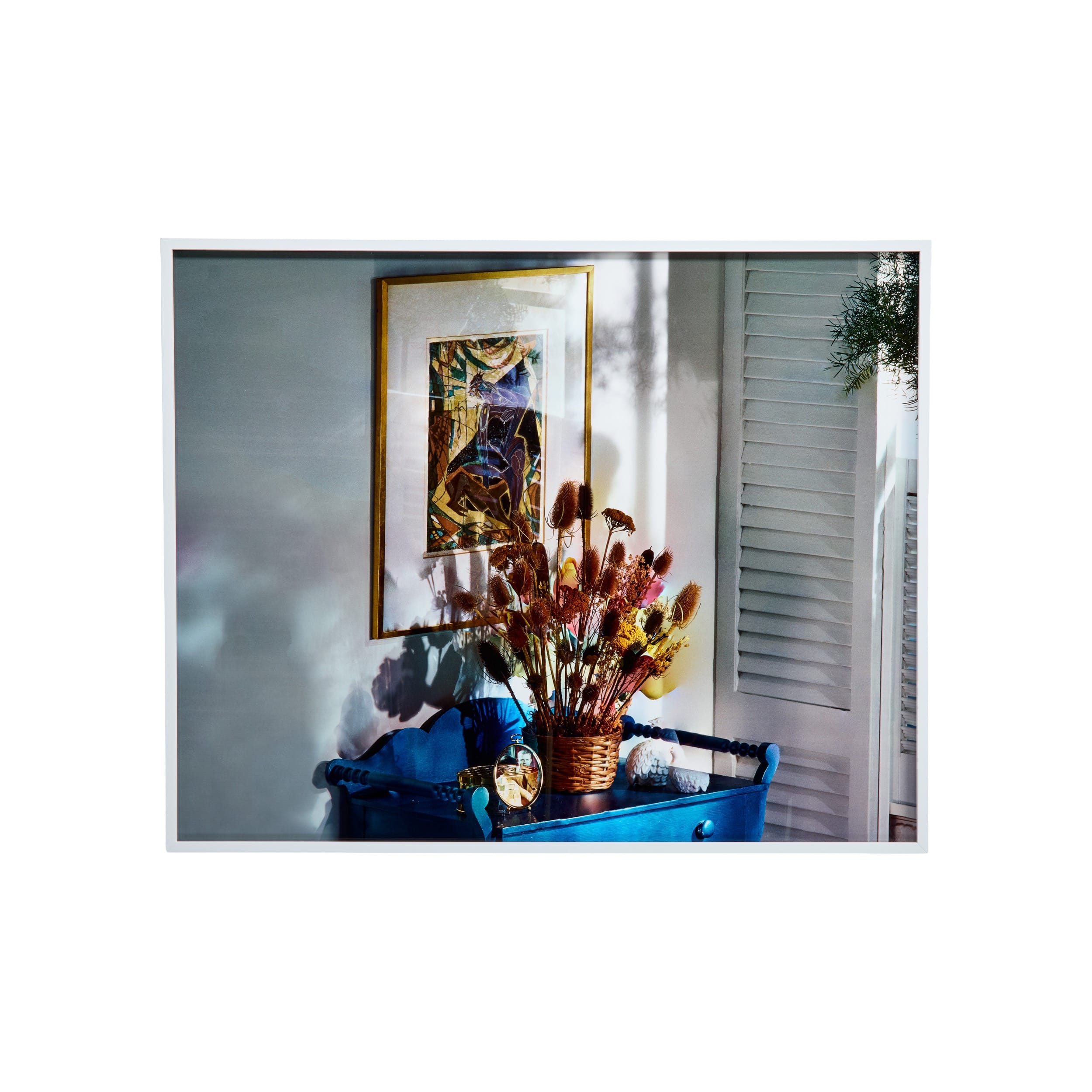
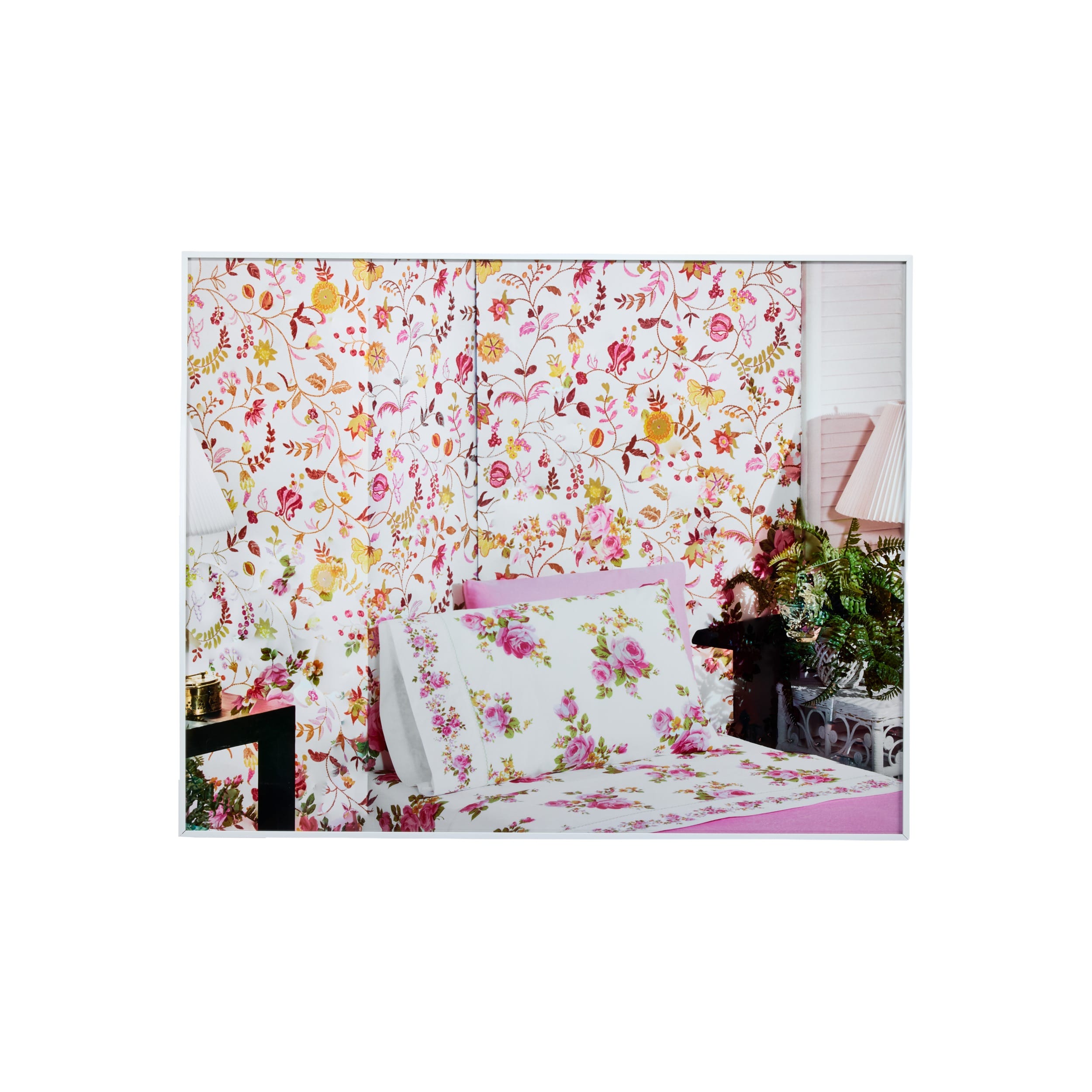
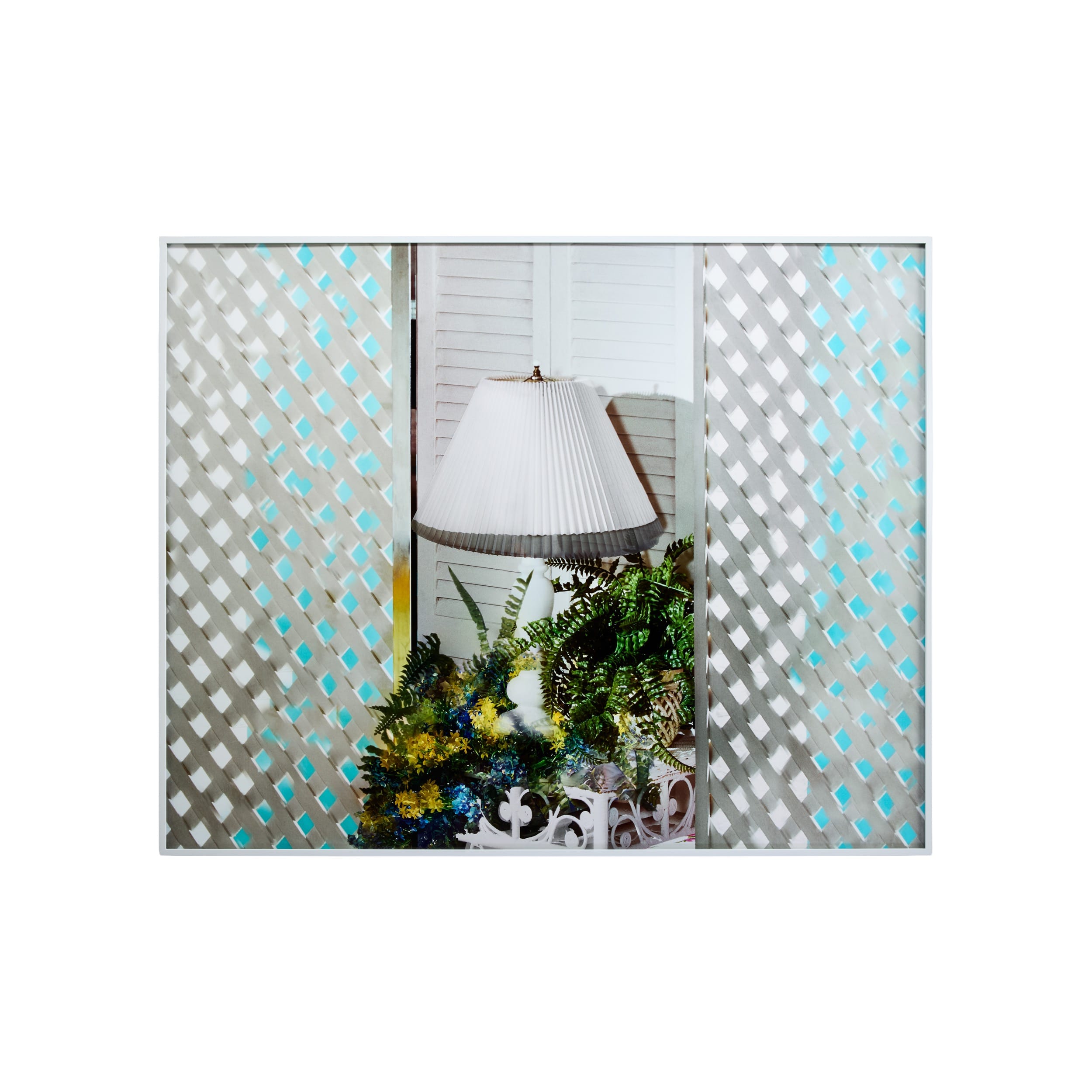
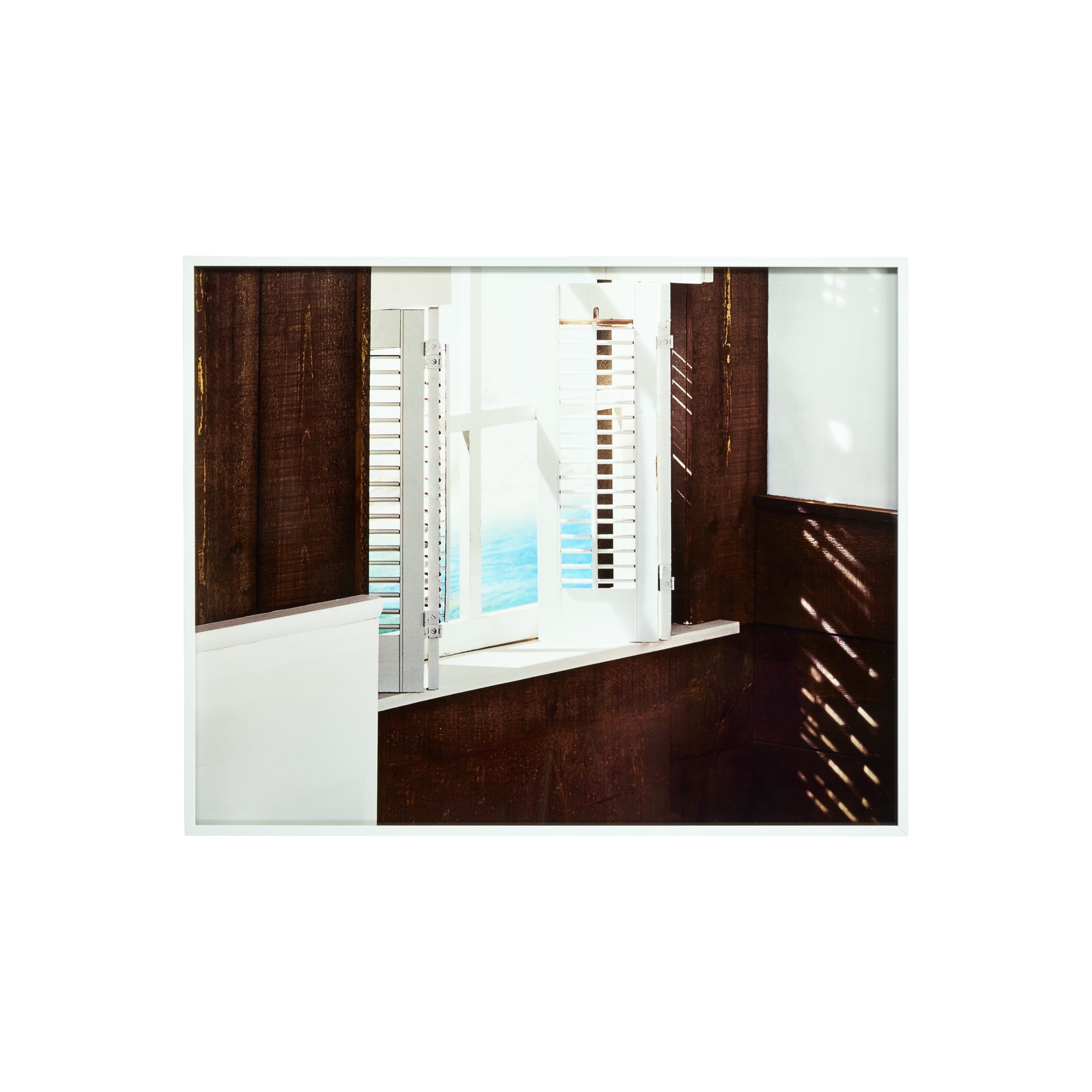
LC: The fascinating photographs in this series have the feeling of a lost memory, a bit melancholy and foreboding, absent of human presence. Although at first glance the photographs seem realistic, on examination it becomes clear that there are layers of transformed and reinvented reality. Working with original images from 1970s JC Penney catalogs, how do you create the mood in these imagined interiors? Do you alter the shades and tones of the original colors?
MC: So much of this work is about what happens when the comfort of familiarity gets disrupted. At first things seem ordinary, but then you notice irregularities within the space. Shadows and their sources don't match; objects seem to dissolve into each other; walls form impossible corners. All these things influence the mood, but the unreal color might be the most crucial component. Surprisingly, I do very little to alter color beyond what occurs during the process used to assemble them.
LC: Your work requires a high level of technical expertise and mastery of imaging software combined with optical techniques. How did you learn these skills and what drew you into the use of digital technology?
MC: My technical foundation began when I was a student at Massachusetts College of Art and Design and was later refined while working as a studio assistant. I learned early on that if I made a print that could hold a viewer's attention, they would look longer and more thoughtfully. As I moved away from a darkroom-based process and began scanning my film, I realized that I needed to fully understand the software I was working with. I didn't just want to know what steps to follow, but what was actually happening to the file when I was making edits.
The more I learned about post-production, the more I became interested in finding ways to subvert the intended functions of these digital tools. Today, my process is guided by intuitive experimentation, which leads to lots of failed images. But when something unexpected happens, it feels like I have discovered a whole new way to make pictures. What keeps me excited about this way of working is that it allows for chance to exist within the hyper-controlled environment. Even though I am working digitally, I can still have my own kind of decisive moment.